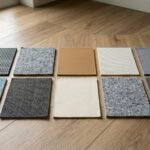
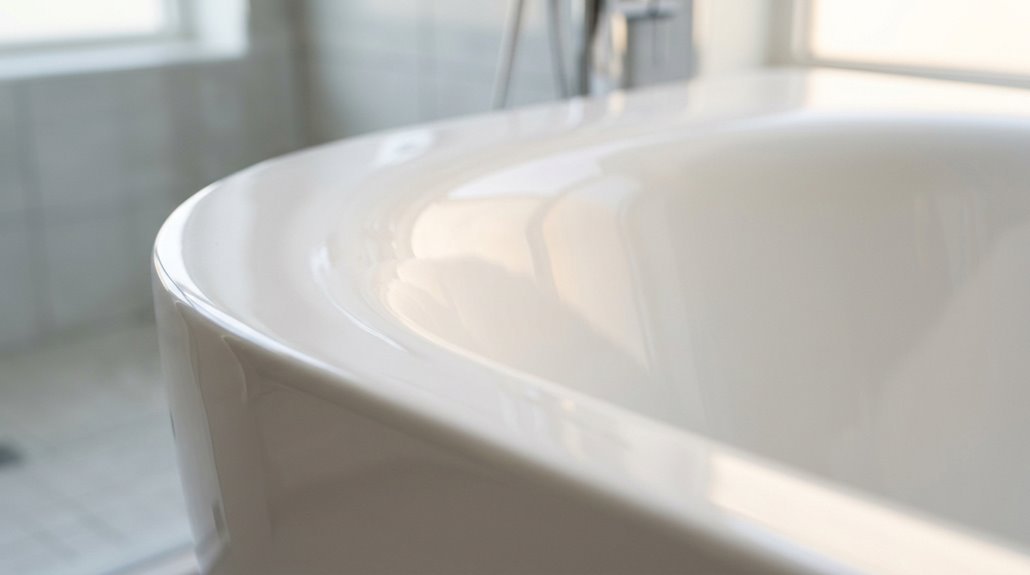
I’ve found bathtubs come in five main materials. Picking the right one significantly affects your bathroom investment. You’ve got cast iron, which is practically indestructible but heavy. Acrylic is lightweight and affordable. Fiberglass works for budget hunters. Porcelain over steel serves as a middle ground option. Stone resin provides that upscale feel. Each has trade-offs with durability, heat retention, and installation costs. Understanding these differences helps you select a bathtub suited to your needs and avoid costly mistakes down the road.
Why Bathtub Material Matters: Cost, Durability, and Installation
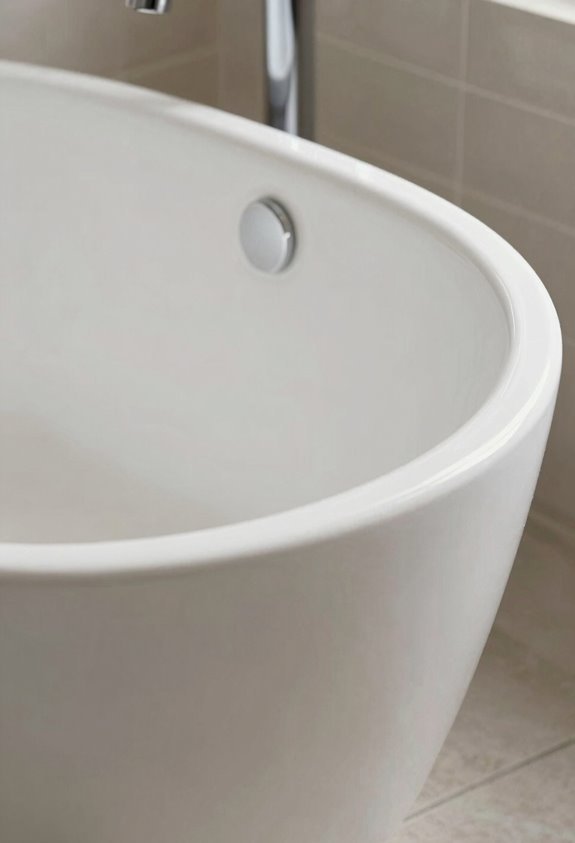
picking a bathtub isn’t just about finding something that looks nice in your bathroom.
Material choice affects three critical areas: cost, durability, and installation hassle. When I shopped for acrylic tubs, I loved their affordability and lightweight design. No reinforced flooring needed. However, I worried about scratches and flexing over time.
Then I researched cast iron. Yes, it costs more upfront, but it retains heat better and lasts decades longer. The catch is my floors needed reinforcement, and professional installation became necessary.
Total cost of ownership matters most. Cheap acrylic might need refinishing in ten years, while cast iron stays strong. Understanding these trade-offs helped me choose what actually fit my situation and budget long-term.

This freestanding roll top tub boasts a generous 40-gallon capacity, providing a spacious and comfortable bathing experience for individuals of all sizes. The classic design complements a variety of bathroom styles, adding a touch of sophistication and elegance to your home.; The claw feet design adds a vintage charm and elevates the tub, creating a visually appealing and sophisticated look. This classic detail enhances the overall aesthetic and complements various bathroom decor styles.
Elevate your bathroom with this stunning roll top clawfoot tub, featuring a classic design and durable cast iron construction, providing a luxurious and comfortable bathing experience for years to come. The 40-gallon capacity is ideal for soaking and relaxation, creating a personal oasis within your home.

71-3/4"L x 36"W x 20-7/8"H
Cast Iron: Maximum Durability and Heat Retention
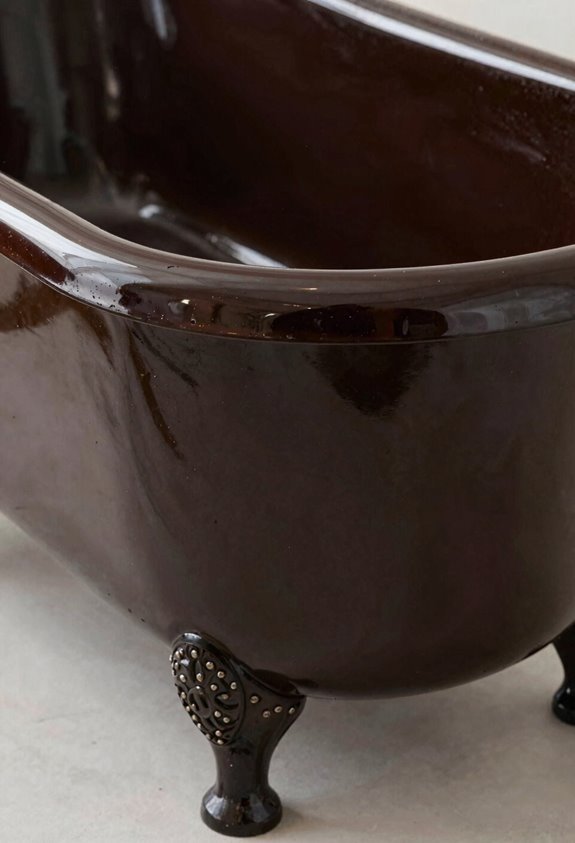
When I finally took the plunge and installed a cast iron bathtub, I understood why my grandparents’ tub had survived fifty years without a scratch.
The Durability Factor
Cast iron tubs are practically indestructible. They offer lifetime durability and resist chipping, scratching, and denting effectively. The enamel coating can chip with careless use, but the underlying iron remains strong.
Heat Retention Magic
Cast iron’s exceptional heat retention was the deciding factor. My water stays warm for those long, luxurious soaks I crave, eliminating the need for constant reheating.
The Trade-offs
These tubs weigh 300–500 pounds, requiring floor reinforcement and professional installation. The upfront cost is substantial, and setup is complicated. However, knowing my tub will outlast me makes the investment worthwhile.

Integrated Tile Flange: Preventing water leakage.

Freestanding: Elevate your bathroom with the sophisticated design of a freestanding tub, creating a statement that not only enhances the space but is also reversible.
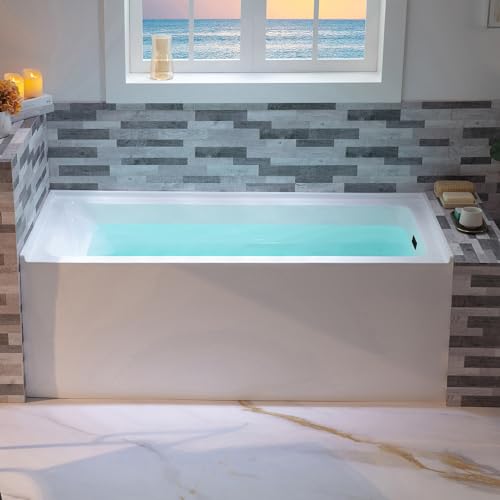
✅ [DIMENSIONS AND SPECIFICATIONS]: External Dimension:(L) 60" x (W) 30" x (H) 21-5/8",Internal Dimension:(L) 54-1/2" x (W) 24" x (D1)16-1/8" x(D2) 16-7/8", Seating Area:(L) 41-3/4" x (W)17-3/4".Integral front skirt and tiling flange for easy installation.
Acrylic: Lightweight Performance and Affordability
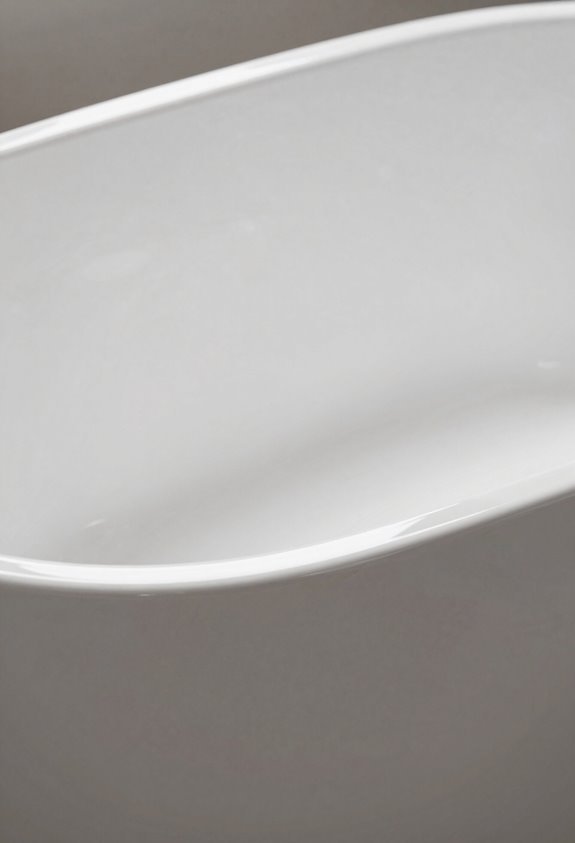
After wrestling with the reality of my cast iron tub’s 400-pound weight and the contractor’s bill that came with it, I discovered acrylic bathtubs as a practical solution for comfort without the installation headache.
Why I Switched to Acrylic
Lightweight acrylic tubs weigh just 70–100+ pounds, which meant my installer didn’t need backup. They’re reinforced with fiberglass for durability, so I got strength without the weight penalty.
What Won Me Over
The heat retention impressed me. My water stays warm longer than expected. The non-porous surface resists mold, and the variety of shapes meant finding one that fit my bathroom perfectly. Acrylic’s repairable nature is valuable for minor scratches, making maintenance simple and budget-friendly.

Low stepover height allows easy entry and exit

When it comes to quality, PROFLO is uncompromising - treating value and performance as equals

Fast Repair and Durable: Our white touch up paint features a high-quality acrylic resin formula, specifically designed for precise application and strong adhesion to repaired white furniture. It perfectly repairs scratches, stains, chips, blemishes, yellowing, and other surface paint defects.
Fiberglass: Budget-Friendly and Easy to Install
When shopping for a bathtub on a budget, fiberglass catches your attention because it’s affordable, lightweight, and straightforward to install. Many DIY enthusiasts tackle these installations without calling in professionals. However, while fiberglass won’t break the bank upfront, you need to consider durability, surface care, and whether repairs down the road will actually save you money long-term. Understanding what fiberglass bathtubs deliver requires examining both their initial affordability and their actual value over time.

Fast Tub Crack & Chip Fix: Strong-bond 2-part paste fills tub cracks, chips, drilled holes, deep scratches and rust spots while bonding to fiberglass, acrylic, porcelain and ceramic surfaces

Instantly Restore Glossy White Tubs Like New: Flawlessly cover ugly chips, cracks, holes, scratches, dents, peel and rust with a smooth glossy white finish that blends into tubs, sinks, showers and tile surfaces for seamless-looking repairs

Bath + pillow: Freestanding bathtub and spa pillow, shipped in one package
Affordability and Installation Ease
Why do so many homeowners choose fiberglass tubs when they’re renovating on a budget? Fiberglass tubs are genuinely affordable and surprisingly practical.
The Cost Factor
Fiberglass tubs rank among the cheapest bathtub options available. Their lightweight design, around 70 pounds, means lower installation costs since you’re not reinforcing floors or hiring extra labor.
Quick Installation Process
Installation doesn’t require demolition. This straightforward approach saves time and money on labor. You’re looking at a faster project timeline, which means less disruption to your home.
The Trade-Off
Fiberglass isn’t as rigid as acrylic, and scratches happen. For budget-conscious renovators, the upfront savings on both the tub itself and installation make fiberglass an attractive choice.
Durability and Surface Maintenance
Once you’ve installed that budget-friendly fiberglass tub and settled into those first few relaxing baths, the durability conversation becomes important.
Here’s what you should know about fiberglass durability and maintenance:
- Scratching and cracking happen more easily than with premium materials
- Staining occurs quickly from abrasive cleaners and everyday use
- Surface texture shows rougher fiber edges, indicating lower durability
- Heat retention stays moderate, so water cools faster
Repairs are possible but less durable long-term. You can reinforce fiberglass with resin layering to improve rigidity, yet it’ll always remain more flexible than acrylic or cast iron. To maximize your tub’s lifespan: treat it gently, skip harsh scrubbers, and use mild cleaners. This careful maintenance will extend durability significantly.
Repairability and Long-Term Value
How does a budget tub hold up when life happens—when your kids drop toys, or you accidentally scrub too hard with the wrong cleaner? Fiberglass tubs offer solid repairability, which saves money when minor damage occurs. You can patch cracks and chips relatively easily, though these repairs don’t always match the original finish perfectly.
What to expect:
The real trade-off is longevity. While fiberglass repairability keeps costs down initially, repairs can show wear over time. Scratches and fading affect a fiberglass tub’s appearance more noticeably than acrylic alternatives. For budget-conscious homeowners, this means you’re probably replacing a fiberglass tub sooner than you’d replace a cast iron one. The lower initial cost makes that shorter lifespan a reasonable compromise.
Porcelain Over Steel: Affordable With Durability Trade-Offs
If you’re shopping on a budget, porcelain-over-steel tubs might seem like the perfect middle ground. These porcelain-enamel steel tubs offer real advantages:
- Affordability – They cost significantly less than cast iron or solid-surface options
- Easy installation – Their lightweight construction makes setup hassle-free
- Simple cleaning – The glossy surface wipes down effortlessly with non-abrasive cleaners
- Quick maintenance – Special products or complicated routines aren’t necessary
However, they cool faster than cast iron, so your bath won’t stay warm as long. The bigger concern is that once the enamel chips or cracks, exposed steel rusts quickly and can cause leaks. Careful, gentle cleaning extends their lifespan considerably. They’re perfect if you want affordability without breaking the bank, provided you handle them with care to avoid premature damage.

DIMENSIONS: Measuring 39.37" L x 22.64" W x 29.33" H, this freestanding soaking tub is an ideal fit for small bathrooms, offering a space-efficient solution without compromising comfort or style.

【Durable Stone Resin Construction】 This freestanding stone resin bathtub surpasses thin acrylic tubs with its robust structure, ensuring long-lasting performance as your primary bathroom tub.

Environmental New Resin stone Solid Surface Material: Made of 60% organic rockrich in aluminum + 40% US-madehigh-tech resin, Non-poisonous, no-cracking, Natural Stone feel, Durable And Strong. They are produced using recycled content, This makes them an eco-friendly choice for those concerned about the environment
Stone Resin and Cast Polymer: Premium Alternatives Explained
Stone resin and cast polymer represent premium alternatives for bathtub materials. These materials blend natural stone with resin, creating a luxurious appearance without the installation complexity of solid stone. They offer seamless, gorgeous finishes in matte or glossy options that resist scratching and staining more effectively than cheaper plastics.
While heavier and more expensive than acrylic alternatives, stone resin and cast polymer retain heat well and provide a premium feel. The primary consideration is that they require non-abrasive cleaners to maintain their appearance. Stone resin and cast polymer offer a practical balance between luxury and durability for those willing to invest in higher-quality materials.
?PRODUCT DESCRIPTION:Super flat, thick and heavy cast iron cooking surface with two generous handles. Life-long lasting, easy to clean and versatile piece of kitchenware.

Easy to clean High-Gloss Acrylic surface for a brighter shine and better wear resistance.

PREMIUM QUALITY CONSTRUCTION: The Cambridge Double Ended Clawfoot Tub is constructed from premium class A porcelain enamel over cast iron. Cast iron is one of the most popular and durable of all tub materials and has unparalleled heat retention.
Comparing Bathtub Materials: Durability, Cost, and Installation
When I started shopping for a new tub, I realized I had to make some tough choices: should I go with something cheap and easy to install, or save up for a material that will last me decades? Lighter materials like acrylic (70–100 pounds) won’t break my budget or my floor, but heavier options like cast iron (300–500 pounds) demand reinforced floors and professional help, which adds significant costs. Understanding how to weigh durability, price, and installation complexity will help you pick what actually works for your bathroom and wallet.
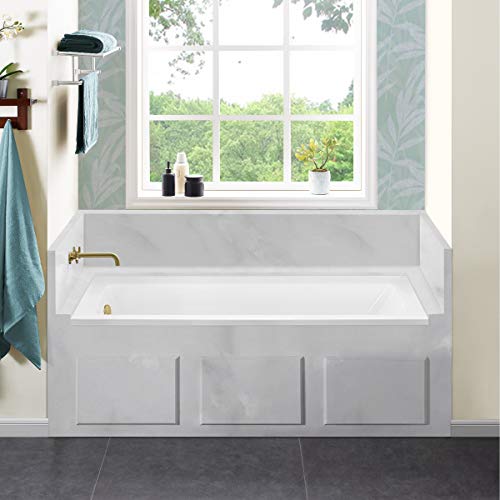
Integrated Tile Flange: Preventing water leakage.

✅ [DIMENSIONS AND SPECIFICATIONS]: Exterior Dimension: 54" Long x 28 3/8" Wide x 28 7/8" Deep – Effective Tub Capacity: 55 Gallons

Built-in apron: Bathtubs with built-in aprons streamline installation with a preinstalled front avoiding the need for tile.
Durability vs. Affordability Trade-offs
How do you choose between a bathtub that’ll last thirty years and one that won’t drain your bank account?
This decision depends on what matters most to you. Consider these options:
- Cast iron tubs cost more upfront but stay strong for decades. They offer the best durability available.
- Acrylic tubs balance affordability with decent longevity, providing practical value.
- Fiberglass offers the cheapest entry but needs refinishing sooner.
- Stone resin delivers luxury durability if you’ve got the budget.
You’re not choosing between perfect options. You’re picking what fits your lifestyle and financial situation. Need something lasting? Cast iron performs best. Want reasonable durability without excessive cost? Acrylic works. Every choice involves trade-offs based on your priorities.
Installation Complexity and Costs
Ever considered why bathtub replacement costs vary so widely? The answer extends beyond the tub itself to installation requirements and structural considerations.
The Weight Problem
Cast iron tubs, weighing 300–500 pounds, demand reinforced floors and specialized installation. That means extra labor costs that many homeowners don’t anticipate. Lighter resin-based and acrylic options, typically 70–100+ pounds, eliminate the need for structural upgrades entirely.
Material Matters
Porcelain-enamel surfaces chip easily, risking rust and repair expenses down the line. Resin-based alternatives offer better durability without demolition headaches.
Smart Savings
Consider resurfacing or liners before committing to full replacement. These options reduce costs when you factor in installation fees and potential wall modifications.
Long-Term Value Assessment
Beyond installation headaches and immediate costs, the real question isn’t what you’ll pay upfront. It’s what you’ll pay over the next 20, 30, or even 50 years.
Friends have regretted their tub choices for valid reasons. Here’s what durability actually reveals:
- Cast iron lasts forever but demands reinforced floors
- Acrylic balances affordability with solid longevity
- Fiberglass scratches easily, requiring replacement sooner
- Porcelain enamel chips and rusts, creating costly repairs
Stone and solid-surface tubs cost more upfront but are virtually indestructible. Acrylic offers the best balance; good durability without stretching your budget. Cheaper materials create problems when you’re stuck with a deteriorating tub for decades. The material you select determines whether you’ll face repairs or replacements within 10-15 years.
How to Identify Your Current Bathtub Material
What’s your tub actually made of?
The Magnet Test
Grab a magnet and test your tub’s surface. If it sticks, you have cast iron or steel with porcelain enamel coating. If it doesn’t stick, you’re looking at acrylic, fiberglass, or stone resin.
The Tap Test
Tap your tub and listen carefully. A hollow sound indicates acrylic or fiberglass. A deep, solid thud suggests cast iron. A metallic ring points to steel.
Weight Check
Cast iron tubs weigh 300–500 pounds. Acrylic tubs typically weigh roughly 50–100 pounds, making them significantly lighter.
Surface Inspection
Examine the edges closely. Glossy coating with possible chipping reveals metal underneath. Glass-like, uniform surfaces indicate non-metallic materials.
These tests will help you determine your tub’s true composition.
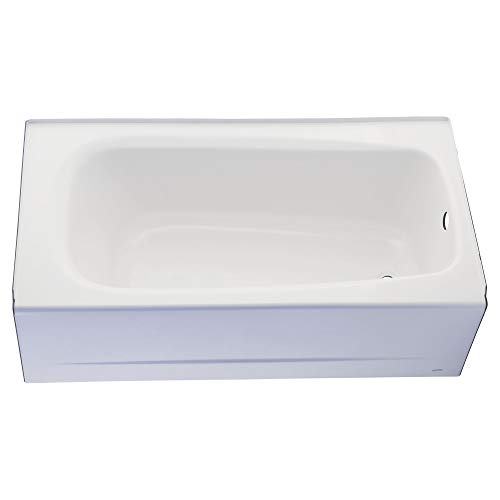
Americast engineered steel with glossy porcelain finish

Acrylic construction with fiberglass and resin reinforcement

Low stepover height allows easy entry and exit
Maintenance Tips to Extend Your Tub’s Life
How long your bathtub lasts depends on how you treat it. After watching my first acrylic tub lose its shine from using the wrong cleaners, I learned these essential practices:
- Use manufacturer-recommended cleaners to avoid chemical reactions that damage surfaces
- Choose non-abrasive tools for acrylic tubs to prevent scratches and dullness
- Address damage immediately. Porcelain enamel chips expose steel that will rust quickly
- Cast iron tubs last longer since they’re built tough and retain heat effectively
Stone and resin tubs require extra care with repairs, making prevention essential. Consistent, gentle maintenance extends your tub’s lifespan significantly.

Dimensions and specifications: Exterior dimension 66 3/8" L x 31 3/4" W x 23" D Effective tub capacity: 60 gallons

Exterior Dimension: 59" Long X 29 1/2" Wide X 22 7/8" Deep – Effective Tub Capacity: 55 Gallons
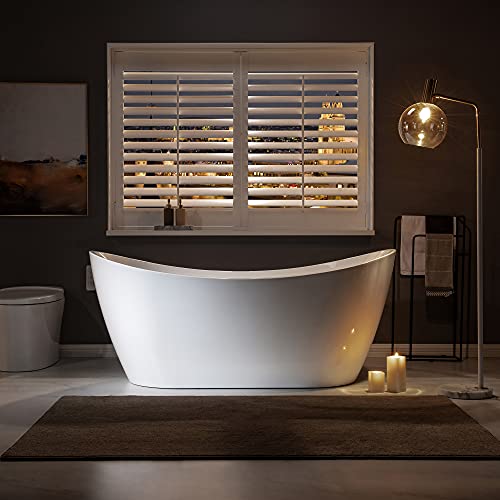
✅ [DIMENSIONS AND SPECIFICATIONS]: Exterior Dimension: 67" Long x 31 1/2" Wide x 28 3/8" Deep – Effective Tub Capacity: 60 Gallons