
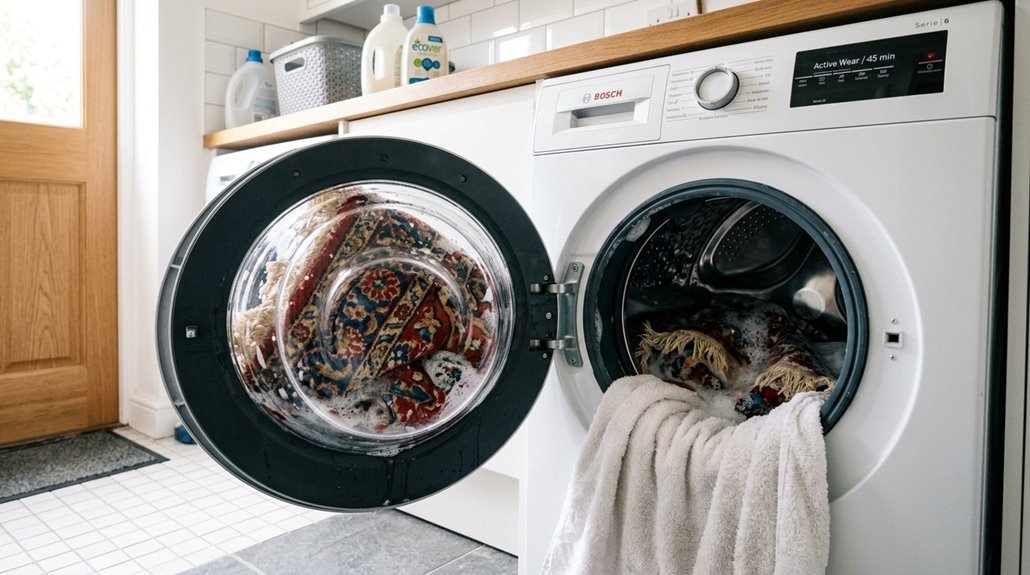
I’ve learned the hard way that not every rug belongs in your washing machine. Small cotton or synthetic rugs under 5×7 feet can come out looking fresh and clean if you follow a few critical steps.
Always check the care label first, use cold water on a delicate cycle, and skip the high heat.
Air-drying completely prevents mildew and warping.
This process will help you wash your rug without damage.
Can You Actually Wash Rugs in a Washing Machine?
Not all rugs belong in your washing machine. Small cotton or synthetic rugs under 5×7 feet typically work fine in standard washers, but wool, silk, and shag varieties need professional care instead.
Before tossing anything in, check the care label. When machine washing, use a delicate cycle with cold water to prevent damage. Add towels for load balance; this keeps your washer functioning properly and prevents tangling.
Rug size matters significantly. Larger pieces simply won’t fit or spin properly. If you’re unsure whether something is machine washable, skip the washer altogether. This simple check prevents expensive damage.

Tiger Tribal Rug: Stand out with this eye-catching tiger-print rug, ideal for boho, vintage, or global-themed spaces. This lively rug tells a story through its shell and floral motifs that symbolize protection and growth. The color palette pairs warm tones like terracotta and chocolate brown with dusty blues and bright teal to evoke the power of earth and sky.

STYLISH DESIGN: This trendsetting brushstroke inspired striped area rug design in a versatile color palette combination can be perfectly paired with a variety of home décor styles.

Luxurious Comfort: The 0.25" low-pile design offers the ideal balance of softness and practicality. It fits easily under doors or furniture without obstructing movement. The fuzzy faux wool feels gentle on bare feet, softening hard floors and creating a relaxing oasis in your home
What Rug Materials Hold Up to Machine Washing?
I’ve learned the hard way that not all rugs can handle the spin cycle. Synthetic fibers like polyester, acrylic, and nylon are suitable materials for machine washing since they’re tough enough to survive the agitation, while natural materials like wool and silk need gentler care. Natural fibers tend to shrink, felt, or lose their softness in the washer, which is why checking the care label first before machine washing is essential. I once ruined a beautiful jute rug by ignoring this step. The backing matters too; rubber or latex backings can deteriorate in hot water, so verify that the care tag indicates it’s safe for machine washing before starting.

CONTENTS: Two (2) COTTON CRAFT Arya Handwoven Reversible Cotton Chindi Accent Rug in Multicolor, measures 20 inch x 32 inch. Each rug is approximately 0.25 inches thick.

MAXIMUM ABSORBENCY: Made from 100% Cotton, this bathroom rug set offers superior absorbency compared to thinner bath mats; enjoy cloud-like comfort when you step out of your shower or bath; Choose from 15 gorgeous colors

CHIC DESIGN: Average size is 2x3', 100% Cotton Material that can be rolled or folded for easy storage
Synthetic Fibers Are Safe
When I first tried machine washing a rug, I grabbed the nearest one without checking what it was made from. That proved to be a costly mistake.
The Safe Synthetic Choice
Synthetic fibers like polyester, acrylic, nylon, polypropylene, and chenille are ideal for machine washing. These materials won’t fall apart like natural fibers can.
My Winning Approach
I always check the care tag first, then I use:
- Cold water to protect the fibers
- Delicate cycle for gentler cleaning
- Mild detergent to avoid damage
The Backing Matters
Washable-durable backing is essential. This sturdy support system allows rugs to survive repeated machine washing without deteriorating.
Following these steps ensures synthetic rugs come out looking fresh and maintain their durability over time.
Natural Materials Require Caution
Since I learned the hard way that synthetic fibers and natural fibers are different, I’ve become more cautious about what goes into my washing machine.
Why Natural Materials Need Extra Care
I discovered that wool rugs felt and shrink when machine washed, resulting in expensive damage. Silk rugs bleed color and deform under machine agitation. Jute and shag backings unravel in washers too.
What I Do Now
I always check the care label first. Most natural materials need hand washing or spot cleaning instead of machine wash cycles. Professional cleaning protects my investment better than risking damage.
My Takeaway
Natural rug fibers require careful handling. When in doubt, I skip the washing machine and use gentler cleaning methods instead.
Always Check Care Labels
I also check the backing material. Rubber or latex backings can deteriorate in washers, so I consider hand washing instead. When I’m unsure, I skip the machine altogether. That care label prevents costly damage.
Why Washer Capacity and Rug Weight Matter?
Have you ever opened your washing machine lid after tossing in a rug, only to find the drum barely budged?
Rug weight and washer capacity make all the difference. When I tried machine washing a 5×7 rug, I discovered it weighed 15 pounds dry and nearly doubled when wet. My standard washer couldn’t handle it.
| Rug Size | Dry Weight | Wet Weight | Machine Suitable? |
|---|---|---|---|
| 2×3 | 2–4 lbs | 4–8 lbs | Yes |
| 3×5 | 5–8 lbs | 10–16 lbs | Maybe |
| 5×7 | 10–25 lbs | 20–50 lbs | Usually No |
| 8×10 | 25+ lbs | 50+ lbs | No |
Load balance matters too. Oversized rugs jam against the drum, preventing proper spinning. Always check your rug care label and measure your washer capacity first. This prevents damage to both the rug and machine.

Non-Slip Safety: Featuring durable TPR backing for a firm grip, this rug reduces slips and falls. Ideal for high-moisture areas, its anti-slip design ensures safety and stability, staying securely in place while protecting floors
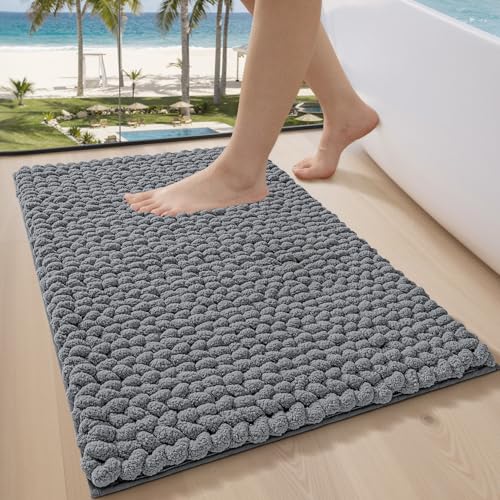
Super Absorbent: Lumi bathroom mats are highly absorbent, helping keep your floors clean and dry. The plush chenille microfiber shags quickly absorb moisture and help promote faster drying after showers or baths

GENTLE DETERGENT FOR LUXURY FABRICS: This enzyme-free liquid laundry detergent is specially formulated to clean wool, cashmere, merino, mohair, and delicate knit blends without stripping softness or causing damage. Keeps natural fibers beautifully soft after wash and maintains integrity and shape of your luxury garments
Preparing Your Rug for the Wash?
Before you toss that rug into your machine, you need to do some prep work. Skipping this step can result in a washer full of muddy water and costly damage.
Start with Vacuuming
Vacuum both sides of your rug first. This removes loose dirt that would otherwise clog your machine.
Check the Care Label
Look for “machine-washable” on the rug care label. It tells you the cycle type, water temperature, and drying method you need. This prevents damage to your machine and rug.
Spot-Treat Stains
Before washing, tackle any visible stains. It makes cleaning more effective.
Prepare for Balance
Since your rug can shift during the spin cycle, add towels in the washer alongside it. This maintains load balance and prevents damage to your machine.

Professional Strength Formula: Designed to tackle the toughest carpet stains quickly and effectively.

COMBAT CARPET STAINS FAST: Carpets show stains quickly, especially in busy, high-traffic areas. This 2-in-1 Oxy-Powered Carpet Cleaner is made for targeted spot removal and helps tackle even older, set-in-looking stains up to 7 days old, while refreshing carpets so living spaces stay cleaner and ready for everyday life and unexpected messes

DESTROYS STUBBORN STAINS THE FIRST TIME: Penetrates deep to lift and remove tough pet stains like feces, vomit, dirt and their odors
The Only Washer Settings and Detergent Your Rug Needs?
I’ve learned the hard way that using the wrong washer settings can wreck your rug, so I’m sticking with just a Gentle or Delicate cycle with cold water. For detergent, I grab a mild, fabric-safe option (think Woolite or similar) and skip the bleach and fabric softeners entirely, since they’ll damage your rug faster than you can say “oops.” These simple choices keep your rug looking fresh without shrinking or weakening its backing.

Effortless Application and Use: apply two thin, even coats to the rug back; Wait until the first coat turns clear before applying the second; Once fully dry, your rug is ready to lay flat and secure; This simple process provides a strong, reliable hold without complicated steps or tools

✅ High-Quality Latex Rubber: Our latex rubber formula is specially designed for durable and long-lasting rug backings. It provides a strong grip to keep your rugs in place.

✅ Easy Application and Removal: This natural rubber latex is easy to apply, which signifies you do not have to make much effort. Also, it is easily removable from hard surfaces.
Gentle Cycle and Cold Water
What’s the secret to keeping your rug from falling apart in the washing machine? It’s all about respecting your rug’s delicate nature. When I first washed a machine-washable rug, I used a regular cycle, which was a mistake.
Now I always use a gentle cycle with cold water. This combination minimizes agitation that damages fibers. I check the rug care label first to confirm it’s safe, then I load my rug with towels to maintain load balance and prevent spinning stress.
I use mild fabric detergent only, skipping bleach entirely. This delicate wash approach keeps my rugs looking fresh without falling apart. This simple adjustment makes a significant difference in protecting those fibers.
Mild Detergent Guidelines
When I grab my regular laundry detergent to wash a rug, I’m making a costly mistake. Heavy-duty detergents damage rug fibers and leave stubborn residue behind.
What I Use Instead
I reach for a fabric safe detergent, something gentle and specifically designed for delicate textiles. A mild detergent works perfectly with my Delicate cycle and cold water settings.
Critical Rules I Follow
- Skip fabric softeners entirely, as they attract dirt
- Check my rug care label before machine washing
- Use minimal detergent amounts
- Never add fabric softener, it’s harmful
My Take
Switching to mild detergent improved my machine washing results. My rugs feel cleaner, last longer, and stay fresher between washes.
How to Dry Without Warping Your Rug?
Since drying is just as important as washing, you’ll want to take your time here. Rushing the drying process causes more rug damage than other washing mistakes.
First, check the care label to see if machine drying’s allowed. If it is, use low heat or a delicate cycle only. High heat causes shrinkage and edge curling that cannot be repaired.
Prefer air drying whenever possible. Either lay your rug flat or use a drying rack to prevent warping and backing damage. When using a dryer, toss in some towels to balance the load and protect the fibers.
Ensure your rug is completely dry before returning it to the floor. Check the center and edges for any moisture. Remaining dampness leads to mildew and warping.

Eco-concious Choice For All Yogis: Handmade with 100% Organic Cotton, Gayo’s Conscious-crafted yoga mat is the equipment of choice of traditional yogis. No dyes nor harsh chemicals were added for the safety of your skin.

High Quality: Our washable rugs are made of premium high quality polyester fibers. Functional low pile allows the area rug for convenient placement in entryways, underneath door and furniture, and will not obstruct doorways. Whether you step on with bare feet or laying on with your children or pets, you can feel the warmth and coziness underneath.

[Supreme Comfort and Softness] Treat yourself to the luxurious comfort of the OLANLY Machine Washable Area Rug. Its plush, high-density pile provides an incredibly soft, plush feel underfoot. Enjoy the warmth and coziness, all while the rug remains fiber-shed-free, making it ideal for your bedroom, living room, or nursery.
When Your Rug Is Too Large for a Home Washer?
Signs Your Rug’s Too Big:
- Weighs 10–25+ pounds dry
- Exceeds your machine’s size specifications
- Leaves no room for water circulation
Your Best Options:
For large rugs like 9x12s, skip your home washer entirely. Commercial laundromats are equipped for serious loads. Hand washing in a large tub works as an alternative. Professional carpet cleaning services handle everything without the risk of damaging your machine.
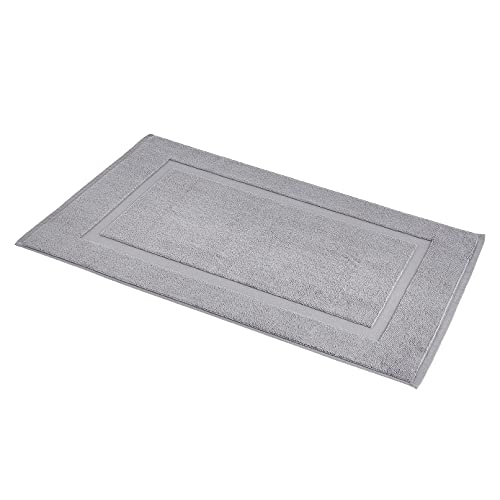
20 x 31-inch bath mat in Powder Gray offers a comfortable place to stand when stepping out of the bath or shower

BATHROOM RUG RUNNER - Use this oversized bathmat to add a touch of spa-like luxury to your home. The 24-inch-wide by 60-inch-long size of this bath rug is ideal for bathrooms with double vanities, claw foot tubs, or large walk-in showers.

PREMIUM COTTON CHALK STRIPE WEAVE: Crafted from high-quality cotton yarn, this chalk stripe woven rug features a durable flat-weave structure that feels soft underfoot while maintaining long-lasting strength. The subtle striped texture adds a stylish farmhouse accent to modern interiors.
Common Mistakes That Ruin Rugs During the Wash Cycle?
I’ve learned the hard way that ignoring your rug care label invites disaster. Using hot water or heavy-duty cycles caused colors to bleed from my wool rug. I also discovered that fabric softener and bleach damage fibers quickly.
What I’d never do again:
- Overload the machine—poor load balance strains everything
- Use high heat or aggressive spin cycles
- Wash rugs with latex or rubber backing (backing damage is irreversible)
- Skip proper drying, which causes mildew
Instead, I check the label, use gentle cycles with cool water, skip the fabric softener, and air-dry completely. Following these steps keeps rugs looking fresh and extends their lifespan.

MAXIMUM ABSORBENCY – These long stylish runners are constructed with soft, absorbent, 100% cotton material to soak up excess water on floors after exiting the tub or shower. The attractive and classic square loop design of this shower mat naturally matches any color scheme, providing long-lasting slip protection for the whole family.

Super Absorbent: Lumi bathroom mats are highly absorbent, helping keep your floors clean and dry. The plush chenille microfiber shags quickly absorb moisture and help promote faster drying after showers or baths

Quick Absorption to Keep Floors Dry: Bath mat features Quick-absorbent fibers that instantly soak up water, ensuring floors stay dry and safe after showers or baths.
How Often Should You Machine Wash Your Rugs?
How often should you actually toss your rug in the washing machine? It depends on traffic and rug materials. Machine wash high-traffic rugs every 6 to 12 months, while low-traffic ones need less frequent washing.
Vacuum weekly to prevent dirt buildup that would require more frequent washing. Before machine washing anything, check the rug care label. Only cotton or synthetic fibers work in most washers. Also consider your washer capacity since oversized rugs simply won’t fit.
Washing frequency approach:
- High-traffic areas: every 6-12 months
- Low-traffic areas: annually or less
- Regular vacuuming: reduces washing needs
- Gentle cycle: always for delicate rugs
This approach prevents damage while keeping your rugs fresh.

Deep Penetrating Spray Stain Removal: removes Set-In stains from carpets, rugs, and mats
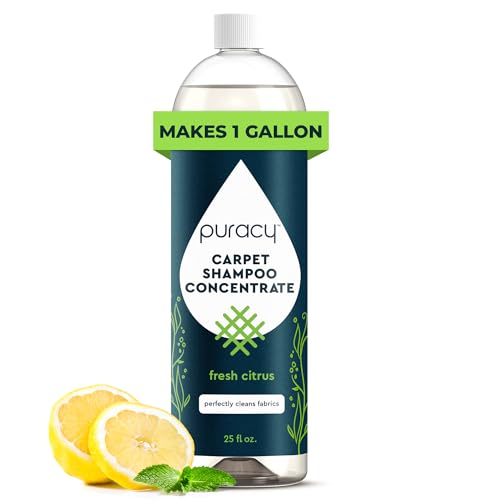
Plant-Based, Low-Foam Formula – This carpet cleaner solution uses plant-based, mineral-derived, and safe synthetic ingredients. Low-foaming and fast-acting, it also works as a carpet shampoo, stain remover, rug cleaner, and more.

WORKS ACROSS MANY SURFACES – It safely lifts stains from upholstery, carpets, rugs, and other water-safe, colorfast materials. The formula is water based, non-flammable, and odor free for worry-free cleaning anywhere in your home.