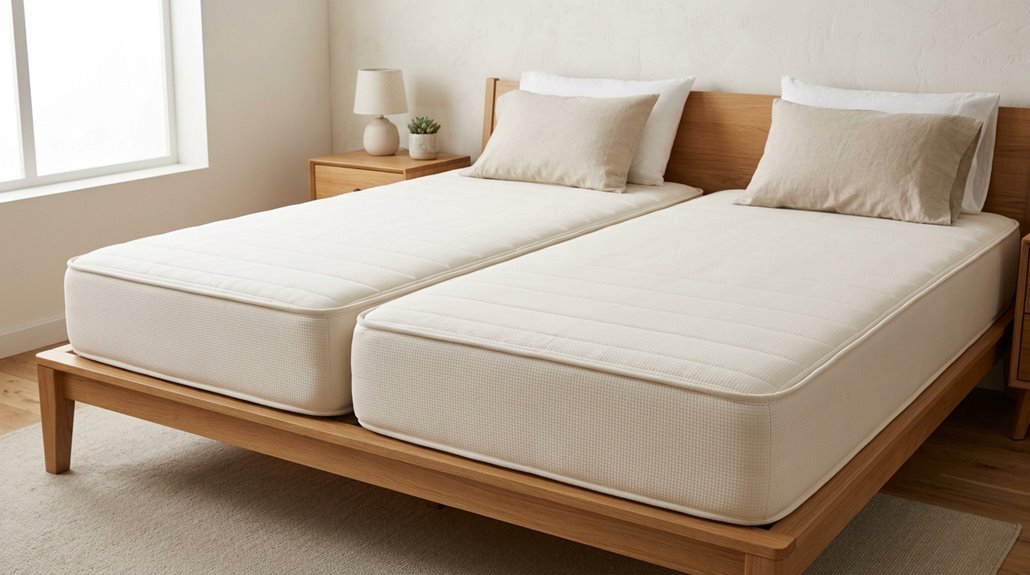
No, they’re not the same. Full and Queen mattresses differ by 6 inches in width and 5 inches in length, giving you roughly 750 extra square inches on a Queen.
This difference matters when sleeping, as the Queen provides about 30 inches per person versus 27 on a Full.
They also cost differently, require separate sheets, and demand different room sizes.
Consider which option fits your life based on your bedroom dimensions and budget.
Dimensions and Space: Why 6 Inches Makes a Difference
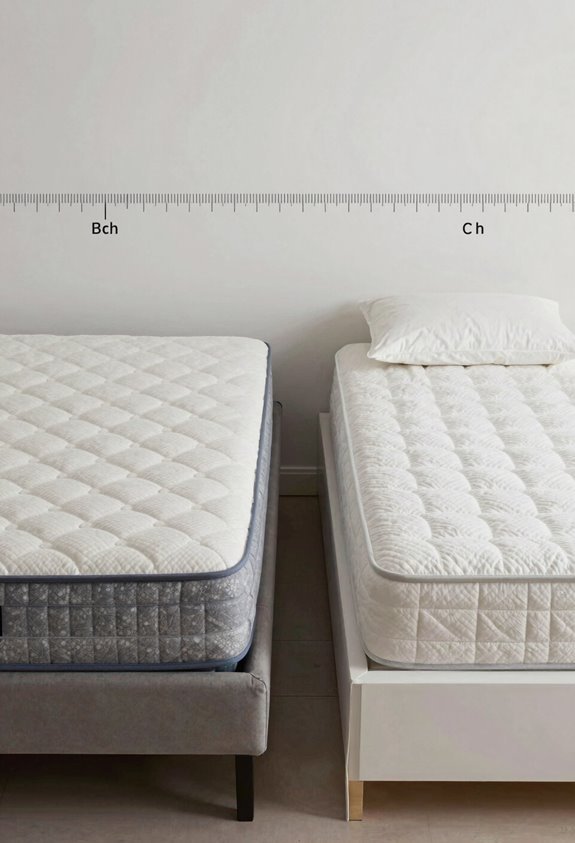
When I first started shopping for a new mattress, I didn’t think a few inches would matter. I was wrong. That 6-inch width difference between a full mattress and a queen mattress transformed my entire bedroom experience.
The Real Numbers
A full mattress measures 54 inches wide and 75 inches long, while a queen stretches to 60 inches wide and 80 inches long. That 6-inch width increase provided roughly 750 more square inches of sleeping surface, a difference that becomes immediately apparent in daily use.
Why It Matters
The dimensions affected everything when I upgraded. My old full sheets no longer fit, my bed frame alignment shifted, and my room felt more cramped. Those extra inches significantly impact sheet fit, furniture layout, and how comfortably couples sleep together.

Fitted Sheet - Full size Fitted Sheet by Utopia Bedding measuring 54 by 75 inches with a 15 inches deep pocket that fits over-sized mattresses up to 15 inches deep and designing that complements your bed set quite well

LUXURIOUS SOFTNESS: Premium microfiber brushed on both sides delivers exceptional softness that keeps you cool all night. Our full size bed sheets feels buttery soft against skin, making bedtime something to look forward to for hot sleepers who want cozy comfort without overheating

4-PIECE FULL SIZE SHEET SET – COMPLETE BEDDING SOLUTION: Includes 1 generously sized flat sheet (81” x 96”) for full coverage, 1 fitted sheet (54” x 75”) designed to snugly fit your mattress, and 2 matching pillowcases (20” x 30”) for a coordinated look. Thoughtfully sized to provide a neat, secure fit and a smooth finish, this set is ideal for everyday use in bedrooms, guest rooms, dorms, or vacation homes.
Per-Person Width: What You Actually Get in Each Size
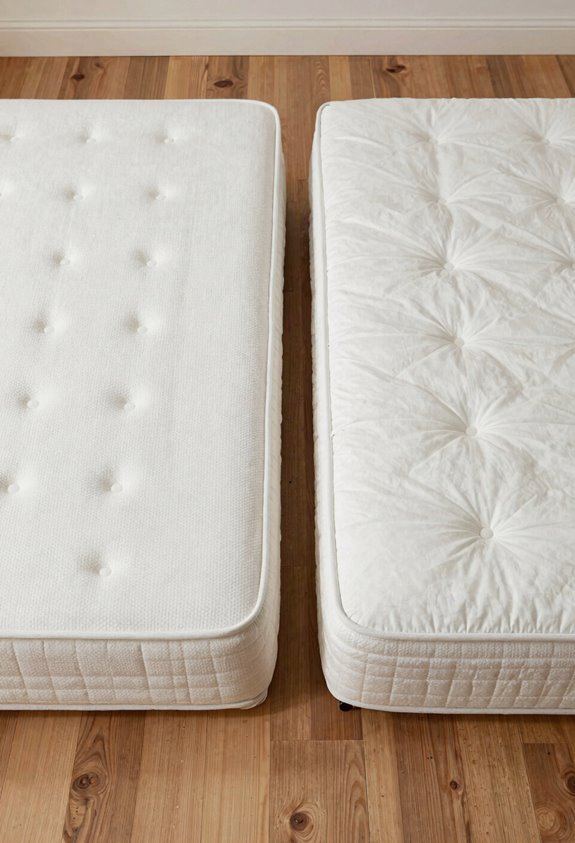
When I sleep on my full mattress, I get about 27 inches of width per person, roughly my shoulder span. A queen mattress offers about 30 inches per-person width, providing considerably more space.
LUXURIOUS SOFTNESS: Premium microfiber brushed on both sides delivers exceptional softness that keeps you cool all night. Our queen sheet set feels buttery soft yet breathable, perfect for hot sleepers in warm climates who want cozy comfort without overheating

Fitted Sheet - Queen size Fitted Sheet by Utopia Bedding measuring 60 by 80 inches with a 15 inches deep pocket that fits over-sized mattresses up to 15 inches deep and designing that complements your bed set quite well

Fitted Sheet - Queen size Fitted Sheet by Utopia Bedding measuring 60 by 80 inches with a 15 inches deep pocket that fits over-sized mattresses up to 15 inches deep and designing that complements your bed set quite well
The Real Difference
Those extra 3 inches make a significant difference for my sleeping surface. On a full, I’m constantly aware of my partner’s presence. On a queen, I can roll over without negotiating territory.

Deeper Luxury & Superior Support: Compared to 12 inch, Grbsy 14 Inch queen hybrid mattress delivers deeper pressure relief and lasting sleep benefits. Comfort memory foam layers offer cloud-like contouring, while the pocketed spring base prevents sagging and ensures lasting support. Queen matress features innovative 7-zone ergonomic support, providing muscle relaxation and spinal support for side, back, or combination sleepers—balancing comfort and support for deep, restorative rest

[Experience Blissful Comfort] - Drift into a world of luxurious comfort on our memory foam mattress. The memory foam molds to your body, relieving pressure points for unparalleled rest.

【Pressure Relief & Spinal Alignment】This queen mattress features a 3-layer foam design that helps relieve pressure and support proper spinal alignment. The NanoGel memory foam gently contours to your body, while the comfort and support layers work together to distribute weight evenly and ase tension on key pressure points like back and hip. This queen size mattresses is certified by the ACA. Designed to provide balanced support and a more restful sleep night.
Why This Matters for Sheet Fit
The bed size comparison becomes practical here. My queen sheets fit properly across 750 additional square inches, which prevents the annoying midnight tucking problem that occurs on a smaller mattress.

FASHIONABLE AND BEAUTIFUL:This bed frame adopts wrought iron frame,featuring a sleek and minimalistic design.The edges and corners of the bed frame have been carefully polished, making it easy to clean with a damp cloth.The bed frame's contemporary style will complement all your home decor, adding a touch of elegance and sophistication to your bedroom.

FASHIONABLE AND BEAUTIFUL:This bed frame adopts wrought iron frame,featuring a sleek and minimalistic design.The edges and corners of the bed frame have been carefully polished, making it easy to clean with a damp cloth.The bed frame's contemporary style will complement all your home decor, adding a touch of elegance and sophistication to your bedroom.

Queen Wood Platform Bed Frame with Wooden Slat Mattress Foundation
Room Size Requirements: Will Your Bedroom Fit?
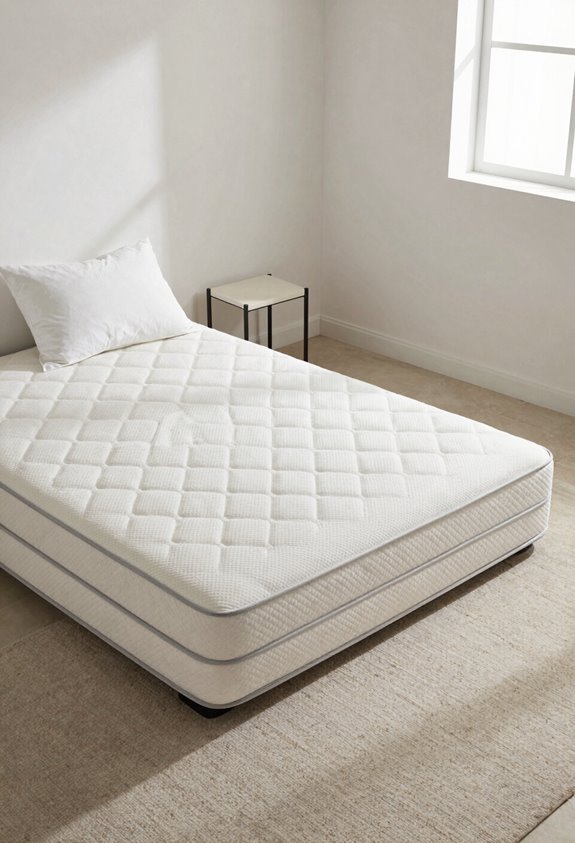
How much space does your bedroom actually have? I learned this lesson the hard way when I squeezed a Queen into my cramped bedroom without measuring first.
Measure your bedroom before buying a mattress—I learned this lesson the hard way with a cramped Queen.
A Full mattress needs a 10 x 10 foot room minimum, while a Queen demands more breathing room, ideally 10 x 12 feet. The Queen’s larger footprint (33 square feet versus 28 for a Full) gobbles up real estate fast.
Before committing, use painter’s tape to outline the mattress dimensions on your floor. This simple trick reveals how much clearance you actually have for nightstands, doors, and walking space. That extra 6 inches width and 5 inches length significantly impacts your room layout when furniture starts crowding in.
Measure twice, buy once.

12 INCH HYBRID SUPPORT: Gel memory foam over individually pocketed coils with a Euro top gives a medium firm feel that supports back and side sleepers; the 12 inch profile fits standard Queen frames and sheets.

【Hybrid construction enhances comfort】: Indulge in the ultimate sleep experience with the Novilla twin hybrid mattress, which combines comfort foam and individually pocketed springs. This mattress twin will cater to your every need, offering the perfect blend of support and plush.
【Pressure Relief & Spinal Alignment】This mattress queen features a 3-layer foam design that helps relieve pressure and promote proper spinal alignment. The NanoGel memory foam gently contours to your body, while the comfort and support layers work together to distribute weight evenly and ease tension on key pressure points like the back and hips. This mattress queen size is certified by the ACA. Designed to provide balanced support and a more restful sleep experience.
Cost Comparison: Full vs. Queen Price and Bedding Budget
Once you’ve figured out if your bedroom can actually fit a Queen (spoiler: mine couldn’t), it’s time to talk money. Bigger mattresses come with bigger price tags.
The Mattress Size Cost Breakdown
The queen price runs $100–$300 higher than the full price. This difference reflects the larger materials required for the bigger size.
Bedding Costs Add Up Fast
Sheets, comforters, and protectors all increase with size. Queen bedding costs noticeably more compared to full equivalents.
Don’t Forget Frames and Headboards
Frames and headboards costs multiply too. Proportionally larger furniture means additional spending that often wasn’t budgeted for initially.
Fitted Sheet - Full size Fitted Sheet by Utopia Bedding measuring 54 by 75 inches with a 15 inches deep pocket that fits over-sized mattresses up to 15 inches deep and designing that complements your bed set quite well
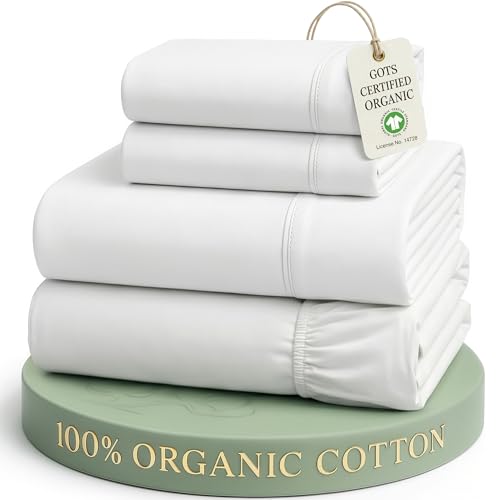
Naturally Cooling Organic Comfort : Stay cool and comfortable with Lane Linen 100% Organic Cotton Percale Full Sheets, made from GOTS Certified organic cotton. The crisp percale weave and finer yarns create a lightweight, breathable feel that promotes airflow and balanced temperature for year-round comfort. Gets softer and smoother with every wash. Great as a deep pocket Full size fitted sheet set, Full size bed sheets, and a breathable Full sheet set.

Fitted Sheet - Full size Fitted Sheet by Utopia Bedding measuring 54 by 75 inches with a 15 inches deep pocket that fits over-sized mattresses up to 15 inches deep and designing that complements your bed set quite well
Who Should Choose a Full vs. a Queen?
I’ve learned that choosing between Full and Queen depends on your specific needs. If you’re a solo sleeper or live in a smaller bedroom, a Full is the practical choice, saving money and fitting snugly in tight spaces. If you’re sharing your bed or you’re taller, a Queen’s extra 6 inches of width and 5 inches of length provide measurable benefits. You’ll get about 30 inches per person on a Queen versus 27 on a Full.
Consider your budget too. Queens require larger frames and new bedding, which increases costs. The additional width per person and comfort improvements justify the investment for couples. Your room size, height, and sleeping arrangement determine the best mattress size for you.

Queen Size; Includes 1 extra deep pocket fitted sheet, 1 flat sheet and 4 pillow cases. Deep pocket fitted sheet measures 60 inches x 80 inches and fits mattresses 18-24 inches deep. Flat sheet measures 90 inches x 102 inches. Pillow cases measure 20 inches x 30 inches.

4-PIECE QUEEN SIZE SHEET SET – COMPLETE BEDDING SOLUTION: Includes 1 generously sized flat sheet (90” x 102”) for full coverage, 1 fitted sheet (60” x 80”) designed to snugly fit your mattress, and 2 matching pillowcases (20” x 30”) for a coordinated look. Thoughtfully sized to provide a neat, secure fit and a smooth finish, this set is ideal for everyday use in bedrooms, guest rooms, dorms, or vacation homes.

Ultra Soft & Breathable Fabric: Queen mattress protector top side is made from breathable short terry, which is a skin friendly and ultra soft fabric. With the waterproof membrane laminated back, it can protect your mattress from spills, liquids and stains, especially suitable for those with kids, pets, or elderly.
Bedding Compatibility: Sheets, Comforters, and Frames
When I first tried swapping my Full sheets onto a Queen bed, I learned a hard lesson about mattress sizes. They’re not one-size-fits-all when it comes to bedding.
The Sheet Struggle
Full sheets and Queen sheets aren’t interchangeable, despite seeming similar. Queen sheets need that extra 6 inches width and 5 inches length. My fitted sheets wouldn’t stretch properly, leaving gaps and wrinkles everywhere.
Beyond Sheets
My comforter situation got messier. A queen comforter on my full bed created awkward overhang, while undersized toppers looked skimpy on queen beds. I needed the right duvet size for proportional coverage.
Frame Compatibility Matters
Bed frame compatibility is essential. My full frame wouldn’t properly support a queen mattress, and mismatched foundations cause sagging, uneven wear, and structural damage. Getting exact-size bedding prevents frustration and ensures your bed looks polished and feels comfortable.

【Pressure Relief & Spinal Alignment】This full size mattress features a 3-layer foam design that helps relieve pressure and support proper spinal alignment. The NanoGel memory foam gently contours to your body, while the comfort and support layers work together to distribute weight evenly and ease tension on key pressure points like back and hip. This mattress full size is certified by the ACA. Designed to provide balanced support and a more restful sleep night.

GEL LUMBAR SUPPORT: Features .75" high‑density gel memory foam that targets your lower back, delivering enhanced restorative support—ideal for anyone seeking a full mattress for back pain‑medium firm level comfort in a full size profile

Soft construction with independent pocket springs that isolate motion and provide quiet, steady support for a queen size mattress.
Moving and Installation: Doorway Access and Delivery Logistics
Getting the right-sized bedding sorted was just the beginning. Actually getting a queen mattress into my bedroom proved significantly more challenging than I anticipated. Both full and queen mattresses fit through standard 30-inch doorways, though a queen requires serious angling and careful planning through tight spaces. I had to navigate mine through hallways, up stairs, and around corners, which proved physically demanding.
Delivery Considerations
When I ordered my queen, the delivery team warned me about potential complications. The queen’s larger frame size demands more careful maneuvering than a full mattress. I needed to remove doors temporarily and clear pathways to accommodate the delivery.
Installation Reality
Once inside, I discovered my full frame couldn’t support the queen properly. Edge support suffered, causing sagging in corners. Upgrading requires replacing both the mattress and frame, not just one or the other.

MAXIMIZE STORAGE WITHOUT ADDING EXTRA FURNITURE — Featuring 2 spacious fabric drawers with smooth-gliding silent casters, a practical headboard shelf, and 10 inches of under-bed clearance, this queen bed frame helps organize clothing, bedding, shoes, storage bins, and everyday essentials while keeping your bedroom neat and clutter-free

【Velvet Headboard, Modern Look】 Upgrade your bedroom with this upholstered bed frame featuring a sleek velvet finish and fully padded design. The clean, modern style makes this bed frame feel cozy and elevated at the same time

NO BOX SPRING NEEDED: Metal slats support foundation will extend the life of your spring mattess, lstex and memory foam without a box spring. Steel slats are spaced 7.44 inches apart to better catch the mattress.
Making Your Decision: Key Factors Beyond Size
How did I know which mattress was actually right for me? I realized I had to look beyond just the inches and measurements.
Here’s what I considered:
Per-person sleeping width, bedroom space reality, and bedding compatibility costs—three factors that actually determine the right mattress choice.
- Per-person sleeping width – I needed 27 inches on a Full versus 30 inches on a Queen, and that extra space affected my sleep quality.
- Bedroom space reality – My room was tight, so I measured twice before committing to a Queen’s larger footprint and bigger frames required.
- Bedding compatibility costs – I discovered Full and Queen sheets aren’t interchangeable, meaning new fitted sheets, flat sheets, and foundations would significantly increase my expenses.
I chose based on my actual room size and budget, not just mattress size alone. The Full fit my life better than the Queen because I had limited space and a limited budget.
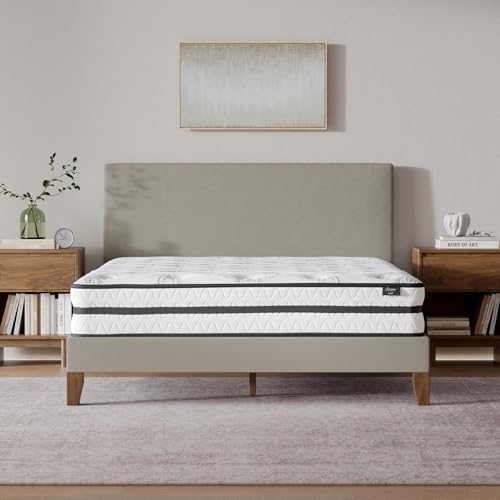
HYBRID MATTRESS: For supportive, dreamy sleeping. This mattress brings it home with layers of padding atop individually power packed innerspring coils for a better night's rest

Cooling & Breathable - The Novilla 10 inch queen size memory foam mattress addes 30% more NanoGel, which will increase the heat absorption capacity, promotes airflow and provides a refreshing cooling effect, thereby delivering an enhanced sleep experience. Enjoy all-night comfort and relaxation, say goodbye hot and restless nights.

MEDIUM FIRM COMFORT: A thick memory foam layer offers cradling comfort that contours to your body, delivering the cozy feel of a queen memory foam mattress designed for deep, relaxing sleep