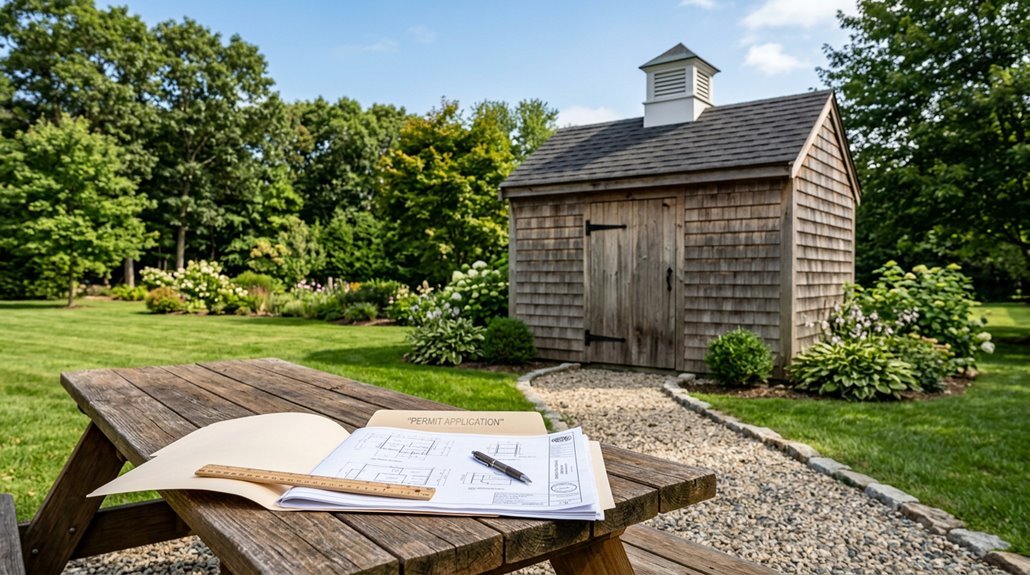
Shed permits aren’t optional, they’re essential. You’ll need permits if your shed exceeds 100–200 square feet (depending on your location), has electrical connections, or sits too close to property lines. Both building permits and zoning permits might apply.
Pennsylvania allows up to 1,000 square feet without state permits, but local townships often require them for smaller structures. Skipping permits results in thousands in fines, removal orders, and insurance complications. Understanding which permits your project requires is critical to avoiding these consequences.
Do You Need a Storage Shed Permit?
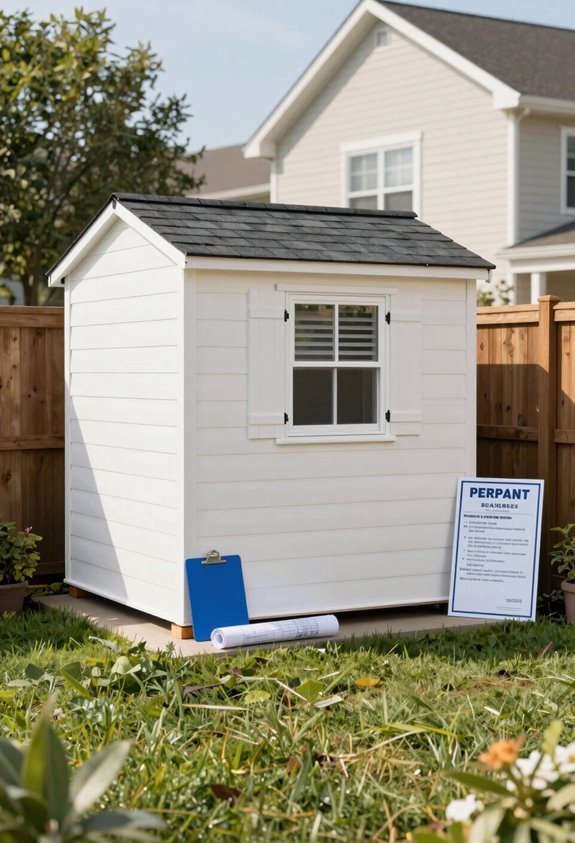
I recommend contacting your local building department first. They’ll clarify your shed permit requirements, permit exemption thresholds, and whether inspections are mandatory. Different places have different rules, so checking early prevents costly mistakes and unnecessary delays.


GET ORGANIZED - Use Heavy-Duty Wrap-It Storage Straps for garage organizing, in the shed, shop and around the house, boat, camper or RV. Get organized and stay organized. These straps are the best solution as an electric cord holder, hose strap, rope organizer, or for garage gadgets.

Size and Location Thresholds That Trigger Permit Requirements
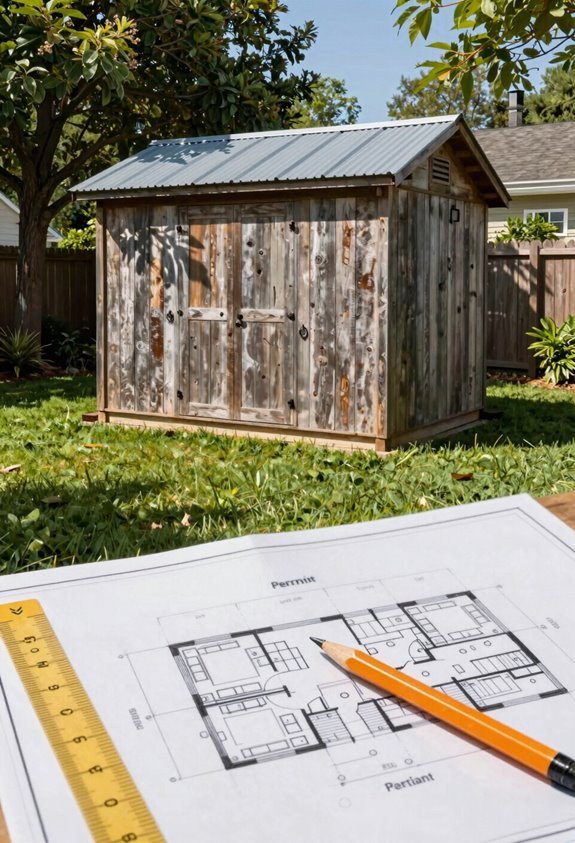
Square Footage Thresholds
Pennsylvania’s permitting thresholds vary by jurisdiction. While the UCC allows up to 1,000 square feet without a permit, many local areas require permits for sheds around 100–200 square feet.
Location Matters Too
Setback requirements, typically 5 to 10 feet from property lines, directly impact where you can build. Adding electrical or plumbing connections or attaching your shed to your house automatically triggers building permit requirements.
Understanding these jurisdiction-specific rules prevents costly mistakes and ensures your detached accessory structure complies with local building codes and zoning permits.
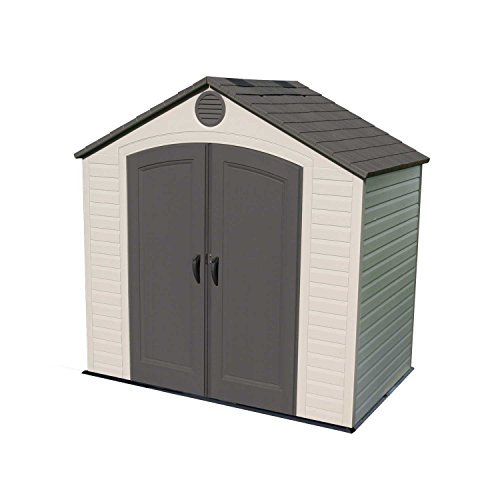
High-pitched roof support a-frame trusses provide 6 feet 8 inches of head room and the steep roof allows for quick drainage of rain and snow

Spacious Storage: Our 58.2 cu.ft metal garden shed (60.35 x 34.49 x 71.46 inch / 1533 x 876 x 1815mm) offers plenty of space for lawnmowers, bikes, garden tools, and more. It can also serve as a temporary chicken coop or doghouse, helping you expand your backyard storage efficiently
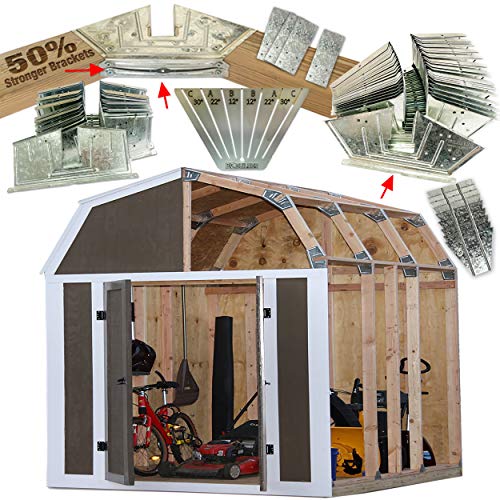
50% STONGER - Have you tried a framer kit from the other guys? Did the brackets bend when you flipped it over? EZBUILDER has the solution! Now 50% stronger, galvanized steel brackets make your build a breeze. Multiple screw points and reinforced truss design provide you with superior strength to your frame.
Building Permits vs. Zoning Permits: Which Do You Actually Need?
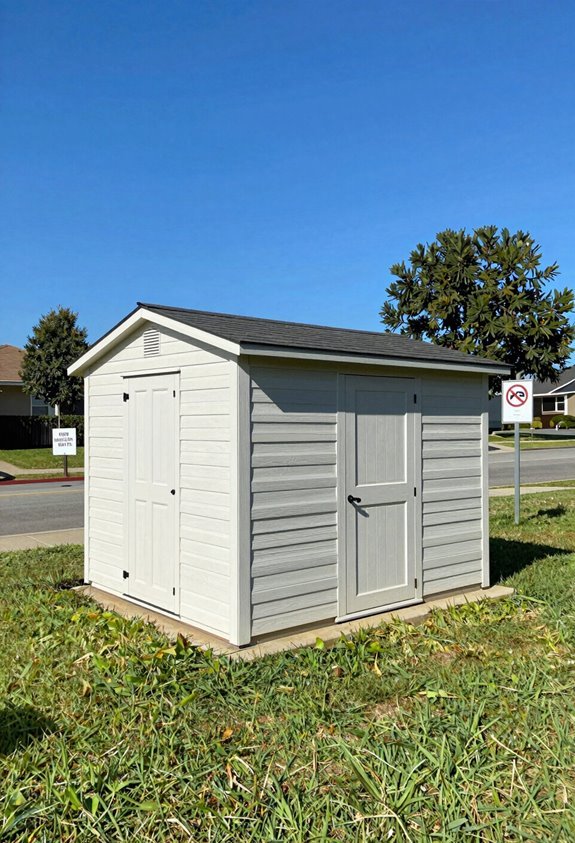
I learned the hard way that building permits and zoning permits are actually two different things. One checks if your shed is safe and follows building codes, while the other makes sure it’s allowed in your neighborhood and sits in the right spot on your lot. You might think a small shed doesn’t need permits, but you could still need a zoning permit even if your shed is too tiny for a building permit, especially if local rules care about setbacks and lot coverage. Always check with your local building department about both types, because missing either one can result in fines, forced removal, or legal disputes.

GET ORGANIZED - Use Heavy-Duty Wrap-It Storage Straps for garage organizing, in the shed, shop and around the house, boat, camper or RV. Get organized and stay organized. These straps are the best solution as electric cord organizers, hose strap, rope organizer and so much more!


Structural Safety And Codes
Structural Safety And Codes
When I first started researching shed permits, I realized I’d been thinking about them all wrong. A permit is not just a permit; there is a real difference between building permits and zoning permits. This distinction can help you avoid costly fines and compliance issues.
What Building Permits Actually Protect
Building permits focus on structural safety and code compliance. They ensure your shed will not collapse or become a fire hazard. Here’s what they cover:
- Structural integrity and foundation requirements
- Electrical and plumbing safety standards
- Material quality and durability
- Local codes specific to your area
- Square footage thresholds (typically 120 square feet)
Why This Matters to You
When you add utilities like electricity or plumbing to your accessory structure, you need a building permit. Even smaller sheds require permits if they’re attached to your house. Your local building department verifies everything meets current code compliance standards before construction begins.
Land Use And Zoning Rules
Building permits aren’t the whole story. You’ve also got to deal with zoning permits, which address land use, setbacks, and placement on your property lines, while building permits verify structural safety. Many jurisdictions require both, depending on your shed’s size and location.
| Permit Type | What It Covers | When You Need It |
|---|---|---|
| Building Permit | Structural safety, codes | Sheds over 100–200 sq ft |
| Zoning Permit | Setbacks, lot coverage | Most municipal requirements |
| Exemptions | Small sheds under 1,000 sq ft | Varies by municipality |
| Inspections | Code compliance verification | After construction begins |
| Local Zoning | Property use restrictions | Before you build |
Your city may require zoning approval even if your small shed doesn’t need a building permit. Confirm exact requirements with your local building and zoning departments, as rules differ by location. Neighborhood covenants also affect what you can build.
Pennsylvania Shed Permit Rules: State vs. Local Requirements?
How’s this for a curveball: you’ve got a shed that’s under 1,000 square feet, so you’re thinking you’re home free from Pennsylvania’s Uniform Construction Code, but then your local township says “not so fast” and wants a zoning permit anyway.
State rules and local jurisdiction requirements don’t always align. Here’s what you need to know:
- State allows exemptions up to 1,000 sq ft without building permits
- Local townships often require zoning permits for smaller structures (100–200 sq ft)
- Setback requirements vary by municipality, typically 5–10 feet from property lines
- Electrical permits are mandatory for any wiring or outlet installations
- Plan review might be waived for exempt structures, but check locally first
Verify current rules with your zoning and building departments before breaking ground. This step prevents costly delays and compliance issues later.

AMPLE STORAGE SPACE: Safely store small decorative pillows, patio cushions, pool chemicals and more. HEIGHT ADVANTAGE: Won't be visible over common backyard fences....
When Your Shed Needs More Than a Basic Permit
So you’ve checked with your local township and confirmed you don’t need a standard building permit. However, permit exemptions don’t mean you’re entirely in the clear. Your shed might trigger additional requirements depending on several factors.
Size Matters
If your structure exceeds 120 square feet, you’ll likely need a full building permit instead of a basic shed permit. Many shed owners discover this after initially planning structures around 130 square feet.
Hidden Complexity
Adding electrical or plumbing permits, utilities, or multiple stories transforms your project. Zoning review becomes necessary too, especially regarding setbacks and lot coverage. Multiple inspections at different stages are common requirements. Skipping these requirements results in permit penalties including fines and removal orders.

GET ORGANIZED - Use Heavy-Duty Wrap-It Storage Straps for garage organizing, in the shed, shop and around the house, boat, camper or RV. Get organized and stay organized. These straps are the best solution as electric cord organizers, hose strap, rope organizer and so much more!


How to Apply for a Shed Permit in Your Jurisdiction
Ready to get that permit properly? Applying for a shed permit requires more than enthusiasm. Here’s what you need to do to navigate your jurisdiction’s requirements:
- Submit your application online or in person with all required documentation
- Prepare a floor plan showing shed dimensions, foundation details, and layout specifics
- Include a site plan clearly marking placement and setbacks from property lines
- Gather ownership approvals or HOA documentation if your neighborhood requires it
- Pay applicable permit fees upfront to avoid processing delays
Verify your local zoning regulations first, since setbacks and lot coverage rules vary by location. Processing times range from days to weeks depending on your jurisdiction, so schedule inspections early. Completing this process ensures your shed meets legal requirements and protects your property investment.
How Long Permits Take and What to Expect
Once you’ve submitted your application with all those floor plans and site diagrams, you’re probably wondering when you’ll actually get approval.
Permit Processing Time Varies
Shed permits typically take anywhere from a few days to several weeks. Simple sheds without utilities are often approved quickly. Adding electrical or plumbing attachments extends the timeline considerably.
What Affects Your Wait
Your jurisdiction matters tremendously. Areas with available resources process applications faster, while zoning compliance issues or required variances extend the process.
The Inspection Phase
After plan approval comes inspections. These are scheduled before final certification. Once everything passes, you receive your certificate of completion.
Potential Setbacks
Incomplete applications, stop-work orders, or zoning conflicts can delay progress. Submitting complete documentation upfront prevents these delays.

GET ORGANIZED - Use Heavy-Duty Wrap-It Storage Straps for garage organizing, in the shed, shop and around the house, boat, camper or RV. Get organized and stay organized....
Penalties for Building a Shed Without a Permit
I learned the hard way that skipping the permit process for my shed wasn’t worth the risk. You’re looking at hefty fines, anywhere from a few hundred to thousands of dollars, possible daily penalties that keep stacking up, and a stop-work order that will freeze your entire project. Beyond the money headaches, I discovered that unpermitted structures can force you into expensive removal or modifications to meet local codes. They’ll also create major problems if you ever try to sell your property or file an insurance claim. Getting the right permits upfront actually saves you time and money by avoiding these costly consequences.
Financial Penalties And Fines
What happens when you skip the permit process and build that storage shed anyway? The result is expensive. You’ll face serious financial consequences.
Financial penalties include:
- Fines range from hundreds to thousands of dollars, depending on your local jurisdiction
- Daily penalties stack up until you fix the noncompliance or tear down the shed
- A stop-work order halts everything immediately, forcing you to pause construction
- Permit fees and inspections cost extra when rectifying violations
- Building code compliance work compounds those noncompliance costs significantly
Skipping permits doesn’t save money; it multiplies expenses. An unpermitted shed creates problems with property sales, insurance claims, and inspector visits. Getting the right permits beforehand is more cost-effective than fighting fines afterward.
Construction Stoppage And Removal
If you’ve decided to build that shed without pulling a permit, local authorities are ready to enforce building codes. Inspectors will identify your unauthorized shed, and construction enforcement will follow. You’ll face removal or modification requirements to meet zoning compliance and current codes. Some jurisdictions demand retroactive permitting, meaning you’re paying fines and penalties after the fact. Local authorities take this seriously because they’re protecting neighborhood safety and property values. The building permit you skipped will cost you thousands in fines, legal fees, and forced changes. Pulling permits required upfront saves significant expenses and complications later.
Ready to Build Your Shed? Here’s What’s Next
Once you’ve picked your spot and sketched out your dream shed, you need to navigate the permit process. This is often the most complex part of the project.
Navigating the permit process is often the most complex part of your shed project—but it’s essential to get right.
Here’s what you’ll actually need to gather:
- Site plan showing placement, setbacks, and dimensions
- Shed plans with measurements (especially if you’re over 120-square-foot)
- Building permit application (check if your shed qualifies)
- Zoning clearance and setback verification from your local office
- Private approvals from HOA or property restrictions
Don’t skip the electrical permit either. It’s mandatory even if your shed doesn’t need one. Inspections will catch every detail. Start early because permits take weeks, and penalties for unpermitted work create serious legal and financial consequences.