A Japanese dining room can run from a single woven straw runner on a standard table to a full tatami installation with a low table and floor cushions that asks your body to adapt.
How often you actually sit down to eat there settles the choice: daily family meals need standard chair height and durable surfaces, while a room used for weekly gatherings can absorb the ritual of floor seating and the maintenance that living materials require.
Most attempts go wrong when people measure their floor in Western room shapes and force the mats to fit; tatami units come in 35.5 by 71 inch rectangles, and working in those multiples keeps the layout honest.
1. Minimalist Dining Room Decor
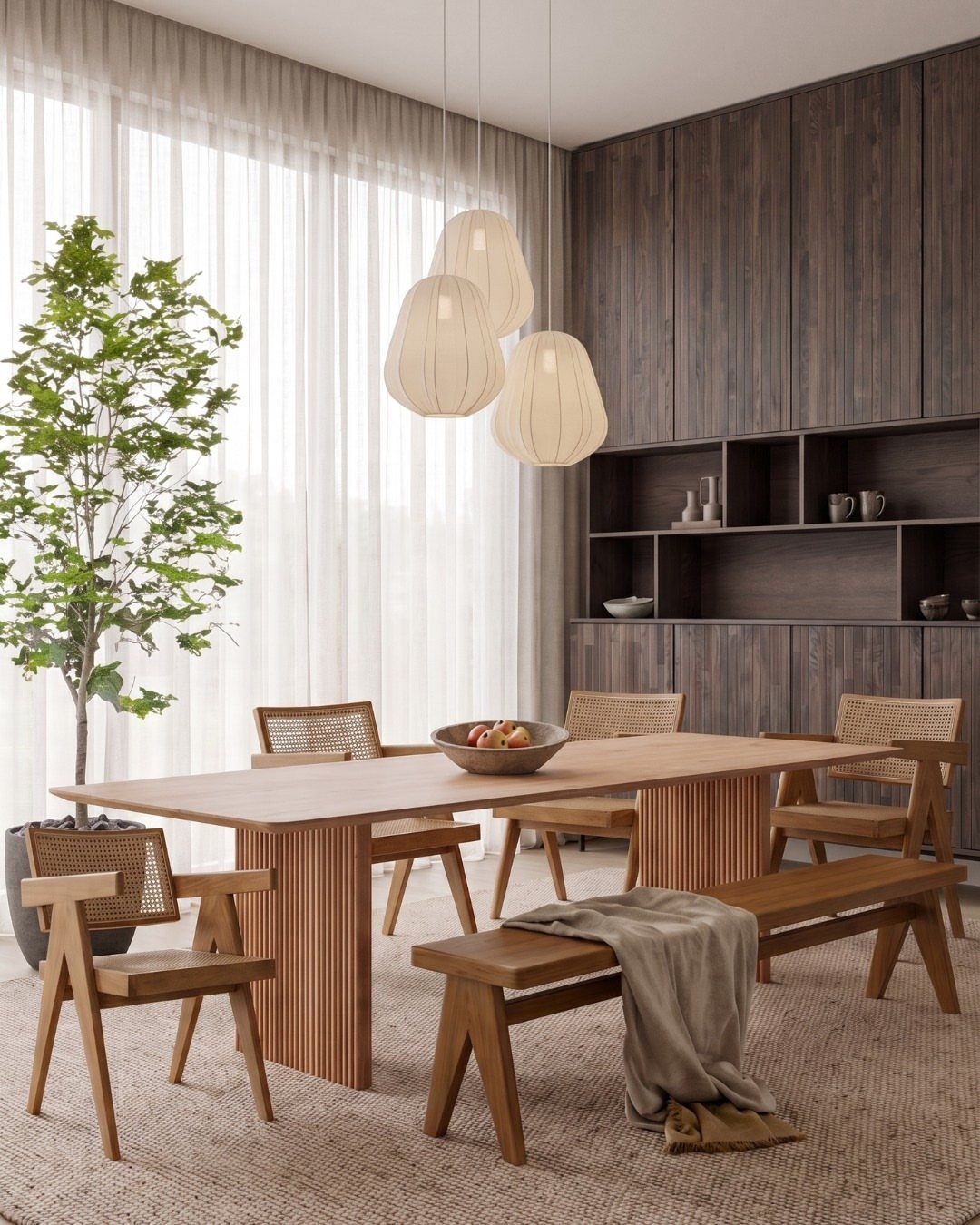
A minimalist Japanese dining room starts with the table as the only fixed object and builds outward only when necessary.
Cane chairs and a simple bench keep the visual weight low, while 3 pendant lights give enough warmth that the room does not feel like a gallery.
Dark cabinetry behind works because it recedes; the eye stays on the eating space.
For renters, this is the easiest entry point: swap the lighting, lose one piece of furniture you thought you needed, and let the window do the rest.

REAL RUSH GRASS- Embrace the true essence of Japan with our authentic japanese tatami mat, crafted from real rush grass. Experience the abundant benefits of this natural material, like temperature and moisture control, improved air circulation, and the perfect amount of firmness for a delightful sleep.

Japanese-style tatami mats made with a weft-faced weave of soft rush grass (100% Igusa). These mats are placed on the ground or floor for protection, decoration, or comfort.

Artificial Sisal Carpet: Our artificial sisal carpet perfectly mimics the texture of natural sisal, but addresses its shortcomings, avoiding the shedding, wear, and high maintenance of real sisal. This tightly woven fabric can resist stains, pet paws, and foot traffic, making it perfect for families/children.
2. Tatami Mats
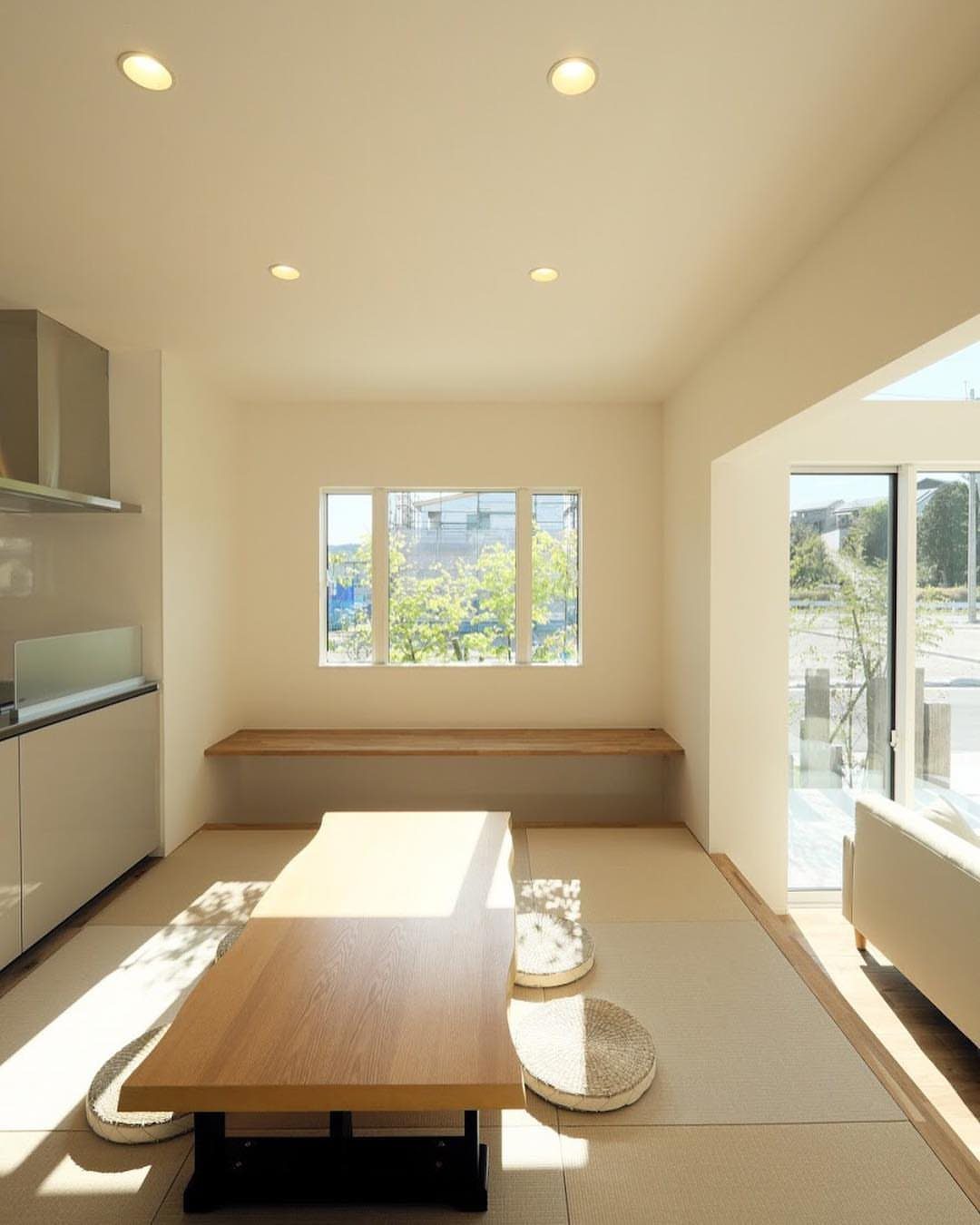
Tatami mats change how a room feels underfoot before you change anything else. The woven straw surface has a slight give that makes floor seating tolerable for longer than carpet or hardwood would.
Standard tatami run about 35.5 by 71 inches, so measure your floor in those units rather than forcing the mats to fit a Western room shape.
They need dry air and regular rotation; a damp basement or a house with dogs is probably not the place.

Elevate Your Floor Living: expertly designed at 11.8” high, this Japanese floor table creates an instantly grounding atmosphere; Whether you're kneeling for a traditional tea ceremony, stretching out for morning meditation, or lounging cross-legged with a laptop, it naturally transforms any corner into a cozy, intentional zen nook

【Elevate Your Meditation & Tea Rituals】Designed to bring harmony and simplicity into your space, this meditation table offers the perfect surface for mindfulness practice, tea ceremonies, or quiet reading. Its balanced proportions and natural wood texture create a calming atmosphere that complements any meditation room, tea corner, or living space

Japanese Folding Low Table: The floor low table is made of bamboo, which is safe and odorless. After delicate polishing, the tabletop is smooth and does not scratch the skin. It is waterproof and easy to clean, and can be wiped with a cloth to ensure that the tabletop is clean
3. Ikebana Arrangements
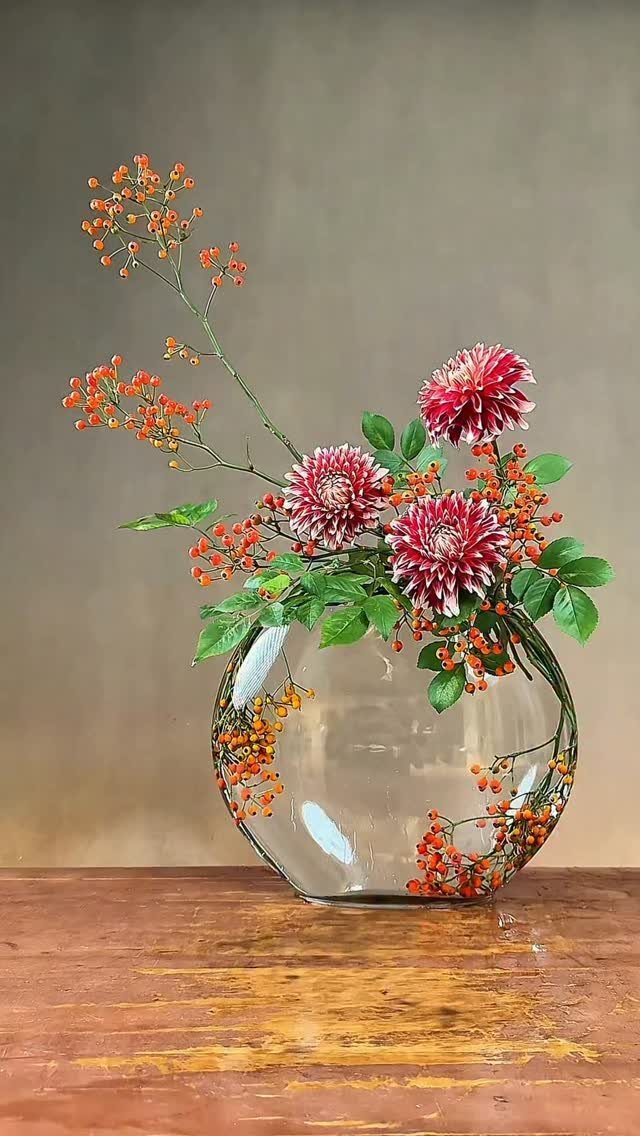
Ikebana differs from a vase of flowers the way a sentence differs from a list of words.
One stem can carry the composition if its line is strong enough. For a dining table, keep the profile low; guests need to see across.
Change the water often and cut stems at an angle so they drink. The bowl matters as much as what goes in it, so choose something with weight and a muted color.

YOUEON cylinder glass vase measures 4 inches height by 8 Inches width. Neither too big nor too small. Appropriate size is right for you to work your magic on it. The cylinder vase weighs about 2.5 pounds, please confirm the size before purchasing

【Dimensions】6.5"(Height 162mm) X 3.5" (Width 87mm) X 7.0" (Width 177mm) inches Pack of 1, Vases only, Vase filler and accessories not included

MULTI USAGE: The glass bowl can be used not only as a fish bowl but also best for floral display, terrarium, home decoration, wedding and event decoration, floating candles, sweet bowl. It has a wide usage area.
4. Japanese Pottery and Ceramics
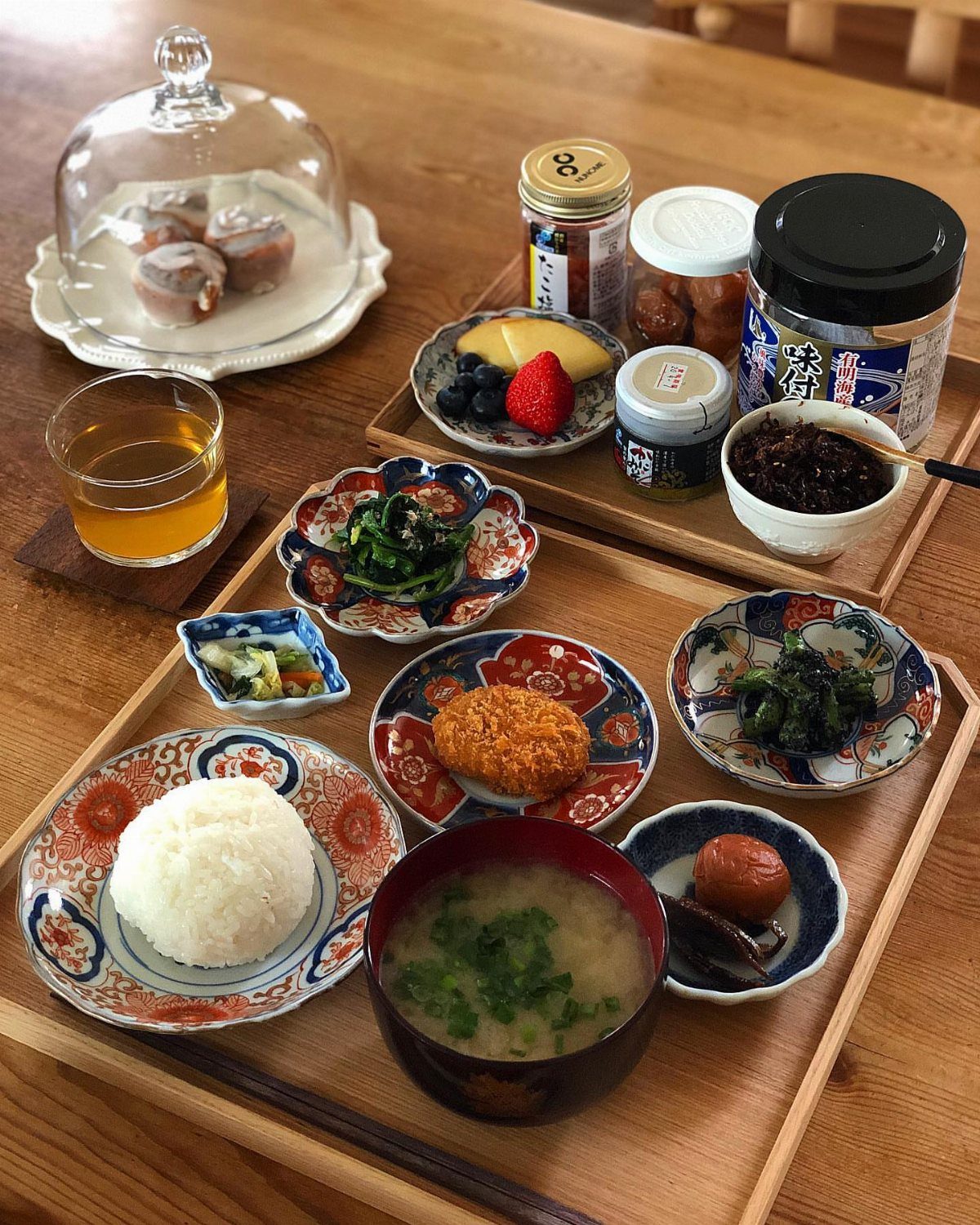
Japanese pottery at the table is not decoration; it is the reason the food looks the way it does.
Japanese ceramic bowls and plates are shaped to leave the right air around each portion, which makes a simple meal feel considered.
Colors tend toward earth and ash glazes that do not compete with the meal. A full set for four, with individual rice bowls, soup bowls, and shared plates, stays compact because each piece has a specific job.
Start with 2 rice bowls and build from there; mismatched pieces from the same potter often look better than a matched set.

MATERIAL: The bowl set is made of glazed ceramic, well made and safe to serve food daily

Package Includes: you will receieve 4 japanese retro rice bowls about 4.5 inch in bowl diameter, 2.4 inch high, 4 japanese retro porcelain dishes about 4 inch in diameter, 1 inch high, 4 japanese style spoon about 5.5 inch long, 1.8 inch wide, 4 japanese style chopsticks about 9.5 inch long

HEALTHY MATERIAL: The bowl set is made of ceramic, non-toxic and safe to serve food everyday, the smooth, chip-resistant glazed surface is easy to clean
5. Wood Furniture
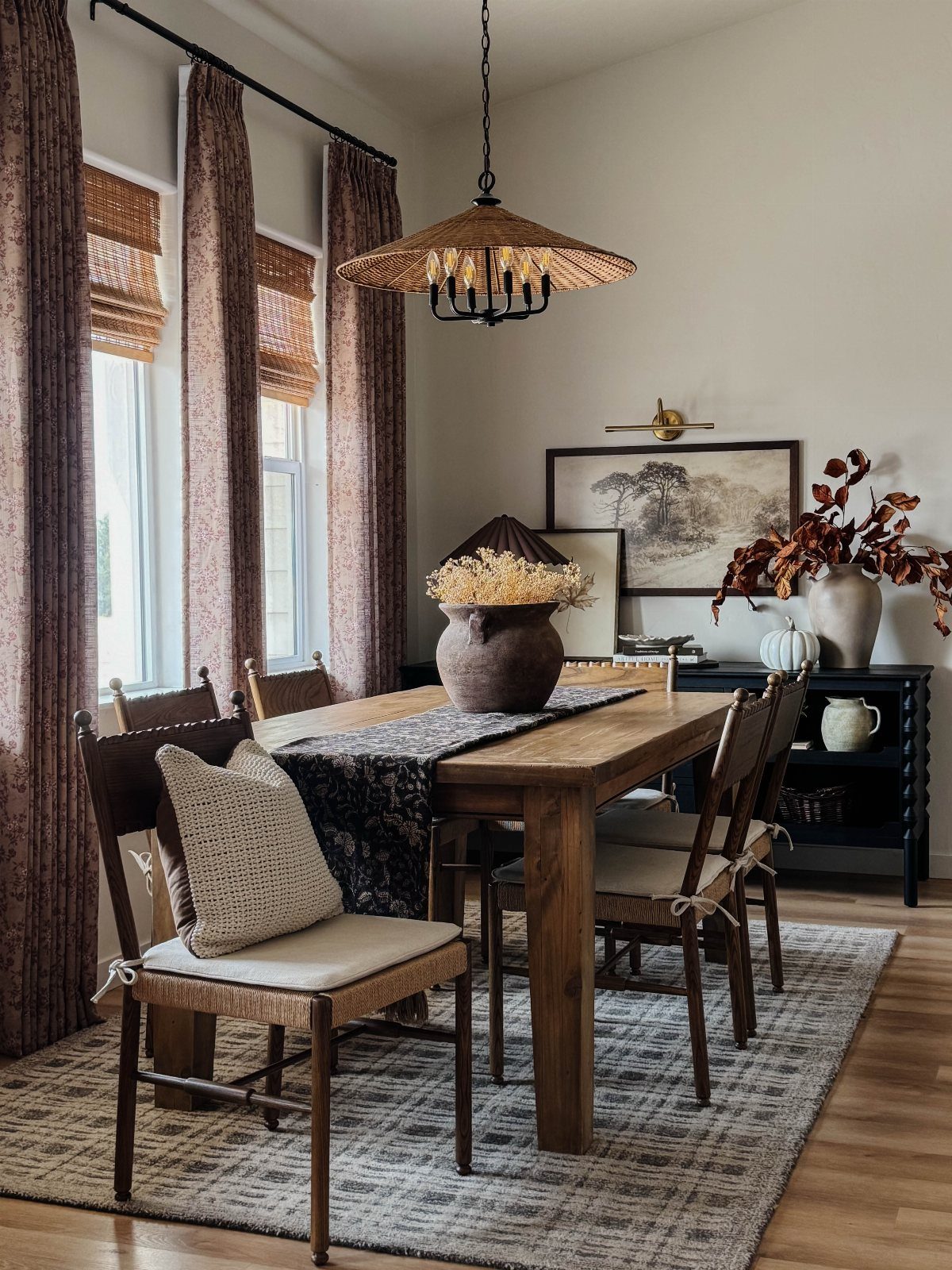
Wood, bamboo, and stone together give a Japanese dining room its warmth without clutter.
Straightforward wood furniture lets a bamboo light fixture and woven blinds carry the texture. A stone pot on the table grounds the arrangement; something living inside it would be even better.
Bamboo blinds filter light rather than block it, so they work on windows where you want privacy without losing the time of day. The black sideboard against the neutral wall is the one dark note, and one is enough.

【Unique Pendant Lighting】 High-density polystyrene foam lampshade, hand-molded, emphasizing smooth and retro living aesthetics. This chandelier may be the most elegant restaurant lamp you have ever seen.

Bulbs and electrical components not included: You will receive two Large Paper Lantern, one with a diameter of 14 inches and the other 19 inches. paper lampshade softens the light beautifully, and with its large size, it creates a strong visual impact—all while exuding a blend of Japanese and minimalist vibes.

【Unique Pendant Lighting】 High-density polystyrene foam lampshade, hand-molded, emphasizing smooth and retro living aesthetics. This chandelier may be the most elegant restaurant lamp you have ever seen.
6. Low Dining Tables and Cushions
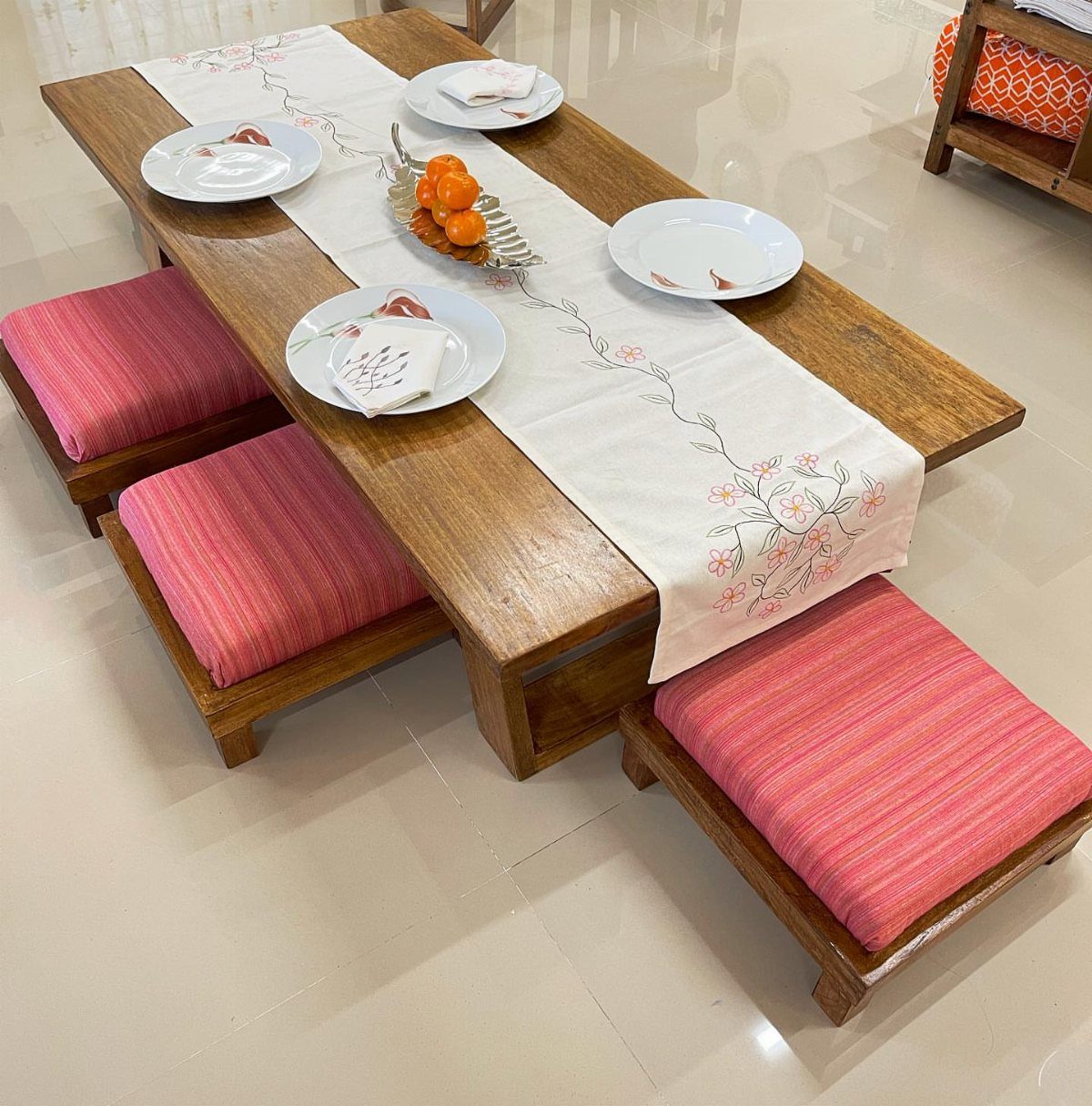
A low table with floor cushions asks more of your body than chairs do, and that is either the point or the problem.
Cushions for a low table need to be thick enough that the sitter’s knees do not take all the strain; firm foam is the minimum I would use.
The white floral runner adds height reference so the low surface does not read as temporary.
This setup suits a room used for dinner parties rather than daily family meals, where getting up and down 10 times an evening wears thin. For weekly use, it is a pleasure.

Extra Thick Carpet: The filling adopts superior sponge with a thickness of 1.18 inch(3cm). Size: 59 by 78 inch. Large size has enough space for family activities. Solid olive green floor carpet is also suitable for home decor, living room rugs, area rugs, bedroom mat etc.

Size: Twin 59 inches X 79 inches. Material: 100% rush grass.

AUTHENTIC JAPANESE TATAMI CRAFTSMANSHIP: Made in Japan with natural igusa rush grass and traditional techniques. This slim, foldable tatami mat creates a firm base for a futon and differs from a traditional thick tatami floor.
7. Bonsai Trees
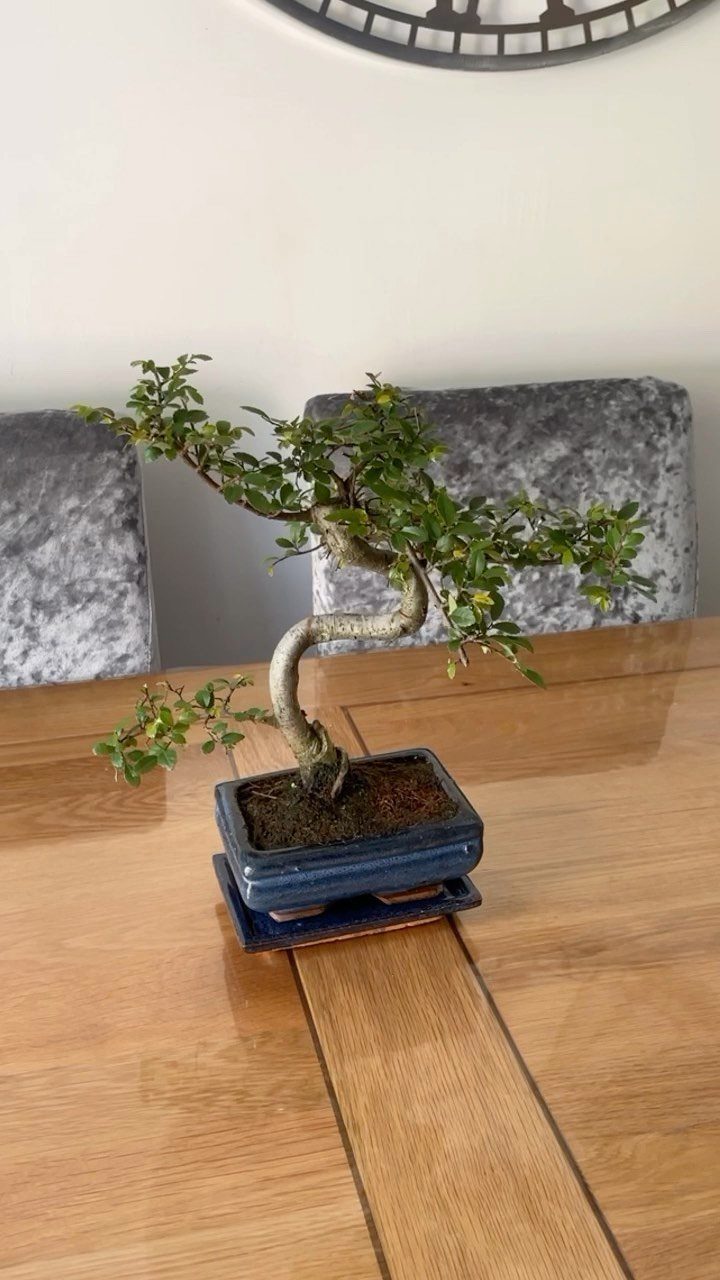
A single bonsai on the table gives the room a living center that does not demand attention the way flowers do.
A low, quiet ceramic pot against wood grain is the pairing I would look for: a cool glaze tone against warm timber.
Most buyers get more impact from placement than from the species they choose. Keep it where it gets morning light and stable temperature, not above a radiator or near a drafty entry.
Water when the surface dries, not on a schedule. For a dining room used weekly rather than nightly, a bonsai outlasts any cut arrangement.

【Japanese-Inspired Ergonomic Low-Profile Design 】Sits directly on the floor (17.5"W x 19.3"D x 18.3"H) to naturally encourage straighter spine alignment, promoting better posture for mindful meditation, relaxation, or long hours of casual TV watching; its stylish modern look seamlessly complements any room decor and furniture

Perfect Size for Floor Sitting: 31.5" L× 14.6" W× 11.8"H, this is a compact and small height low floor table (only 30 cm /11.8 inch tall). This low table is designed for sitting on a cushion, rug, or tatami—not for use with standard chairs. The narrow 14.6" depth fits bay windows, sofa sides, and small corners where a full desk won't go. Ideal for laptop work, tea, reading, and floor dining.

【CREATE YOUR OWN TEA RITUAL】 Use this tea table (23*13*8.5 inches) to prepare and serve tea while seated on the floor, encouraging slower rituals and intentional breaks. This alter table is perfect for daily tea drinking, shared moments, or quiet solo routines.
8. Calligraphy Art
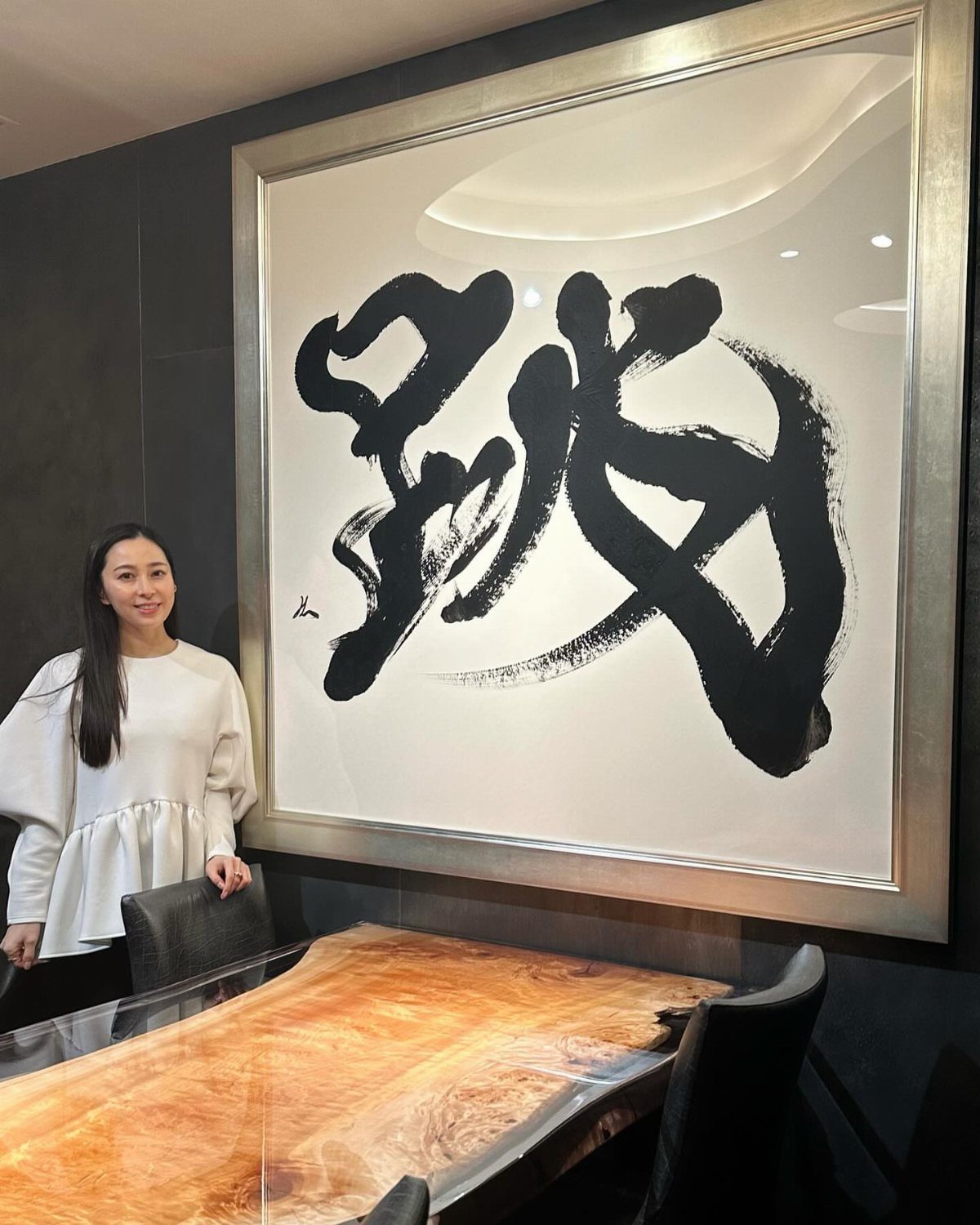
Large calligraphy on a dark wall reads as architecture rather than accessory, which is why it works above a live-edge table that already has its own presence.
Scale is the point with calligraphy: a piece should command the wall, and anything smaller risks looking like an afterthought. Framing in slim black metal keeps it contemporary; ornate wood would fight the raw table edge.
For renters, a single bold piece beats a gallery wall because it needs one hook rated for weight, not six. Check the wire and wall anchor; a frame this size is heavier than it looks.

Clear Glass- The pedestal bowl is made of clear glass and has diamond cuts engraved in it.

Elegant Glass Bowl Set – Includes two round vases (7.5” & 9.5”) made from durable, high-quality clear glass with a smooth finish—perfect for floral arrangements, terrariums, or home accents.
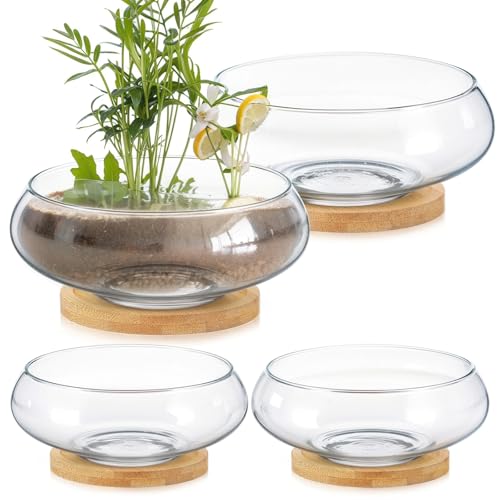
Ideal Sized for Versatile Use: Each bowl planter for lotus measures approximately 6 inches in diameter, while the accompanying tray features an outer diameter of 3.5 inches and an inner diameter of 3 inches. This ideal size makes these vases suitable for a variety of applications, whether you're growing small to medium-sized plants, displaying beautiful floral arrangements, or even using them as stylish bowl vases filled with candles or potpourri
9. Noren Curtains
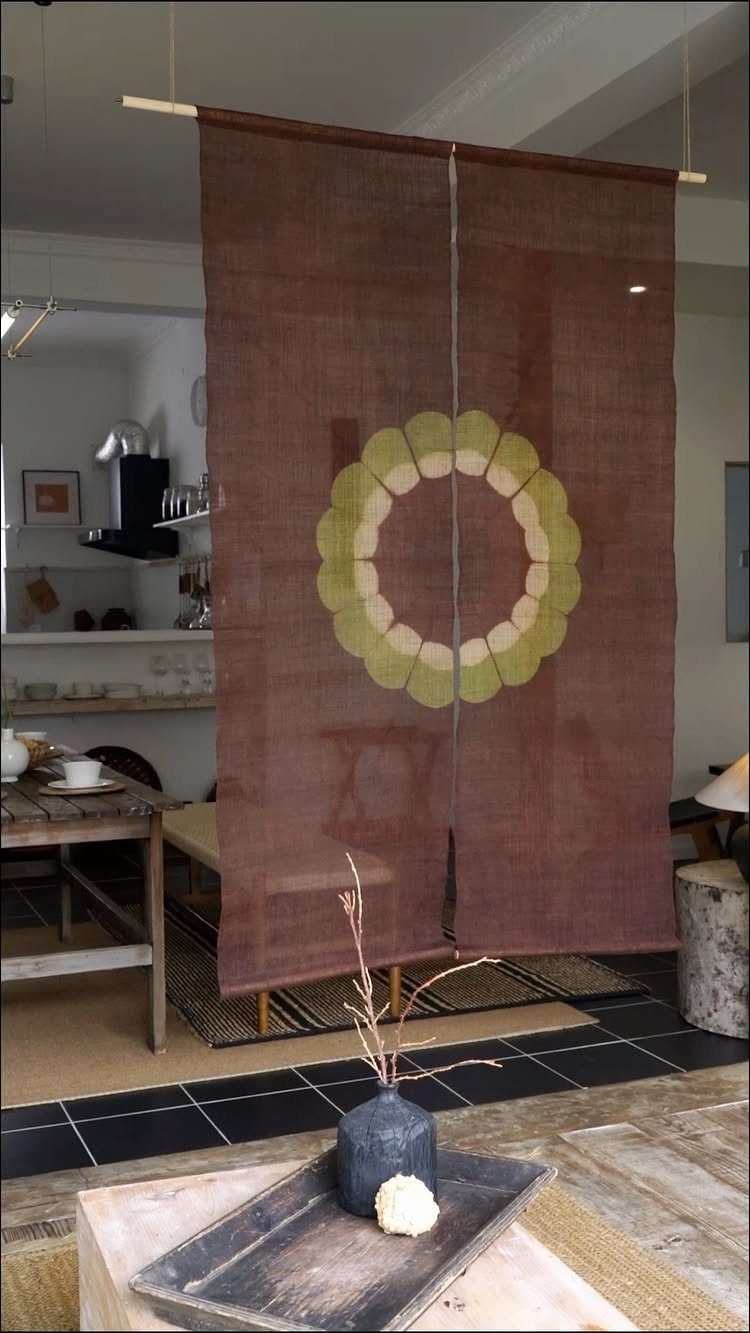
Noren curtains divide space without a door’s bulk or a screen’s footprint, which suits open plans where the dining area needs soft separation from a kitchen or entry.
Noren fabric hangs best with some slack, not pulled taut; that looseness is part of the look.
Mount a simple tension rod or wooden pole at doorway height; the curtain should brush the floor or stop well above it, never pool.
These are easy to sew from a length of linen and a stencil if the traditional patterns do not suit your room.

Unique Retro Design: Our Retro Ceramic Japanese Bowls come in a delightful set of six, each featuring a unique and traditional Japanese pattern such as fish, lotus, willow, and bird, making them a stunning addition to any dining table or kitchen decor.

Product Size: Approx. 4.5 x 2.6 inches (11.5 x 6.5

✔️ 4 Bowls And 4 little Soy Sauce Plates Included. High-Quality Glazed Ceramic and 100% Lead-Free. Perfect Dinnerware.
10. Paper Moon Pendant Light
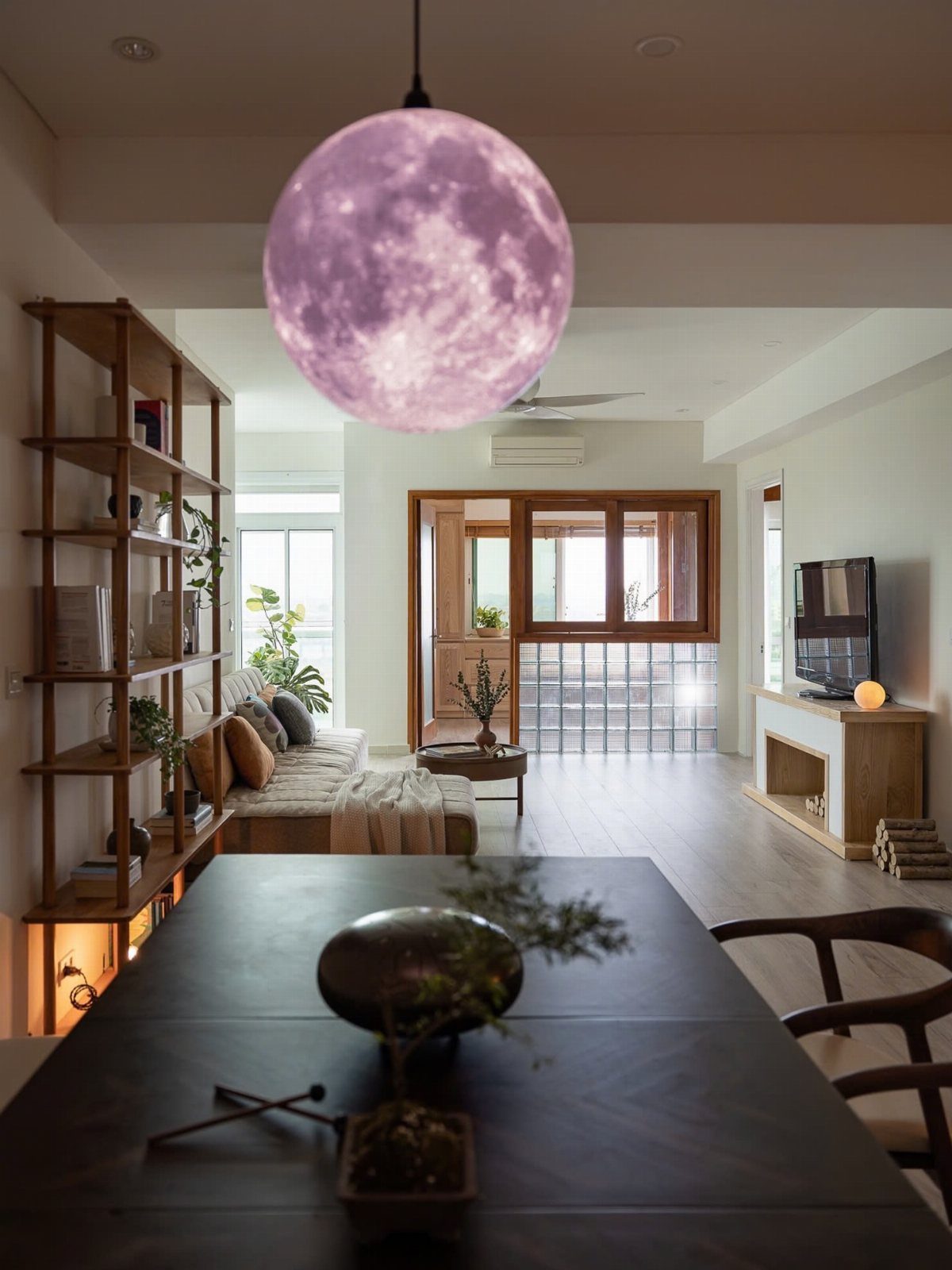
A moon-shaped pendant becomes the room’s one theatrical gesture, and in a Japanese context that gesture reads as quiet rather than showy.
A paper moon lamp should hold its own above the table without crowding the ceiling plane. Simple wiring and a dimmer switch are worth the effort; full brightness flattens the form, while low light lets the glow become the point.
The sphere shape casts soft shadows that rectangular fixtures cannot manage. For lower ceilings, a half-sphere or flush version keeps headroom intact.

Two Large Size Sets for Great Value: this hanging light shade set includes two handcrafted linen lampshades, each 20 inches wide and 20 inches high, suitable for various spaces or as spares, It comes with a white painted metal support frame and wiring accessories, The 20 ft long lamp cord allows for versatile placement options, ensuring that your hanging light shade fits neatly into any setting, Enjoy the aesthetic beauty of these hanging lamp shades in your living room, bedroom, or office

VERSATILE DESIGN: This is an off-white paper pendant light kit, not just a lampshade, including the bulb base, cord and canopy; traditional Japanese rice paper pendant light creates a soft, warm ambiance suitable for dining rooms, bedrooms, Kitchen, living spaces and offices

Set of 2 Oversized Paper Pendant Shades(Bulbs and electrical components not included) – Includes 2 decorative hanging lamp shades in complementary sculptural forms: one wide dome (19 x 9 inch) and one tall oval (12 x 21 inch). Designed to bring a soft, elevated focal point to dining rooms, bedrooms, living rooms, and kitchen island spaces.
11. Woven Straw Table Runners
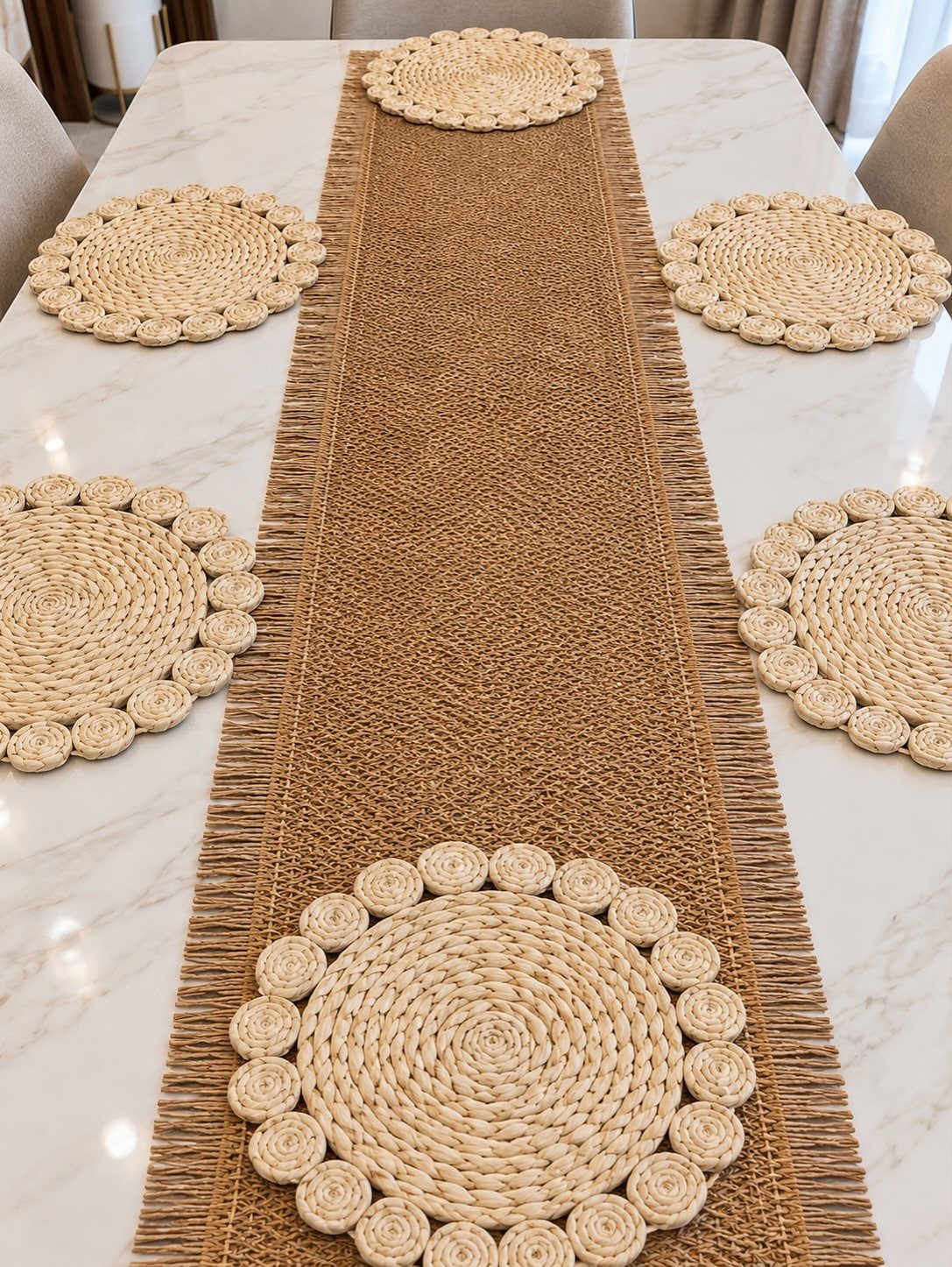
A woven straw runner on marble gives the table warmth without color, which is the combination to copy if your surface is stone or laminate.
Circular placemats that repeat the runner’s material and echo the shape of plates help the setting read as considered rather than collected.
Straw absorbs sound and softens the clatter of ceramic, a practical gain I notice more than guests do. Wipe spills immediately; red wine stains the weave and does not come out.
12. Hanging Branch Ceiling Installation
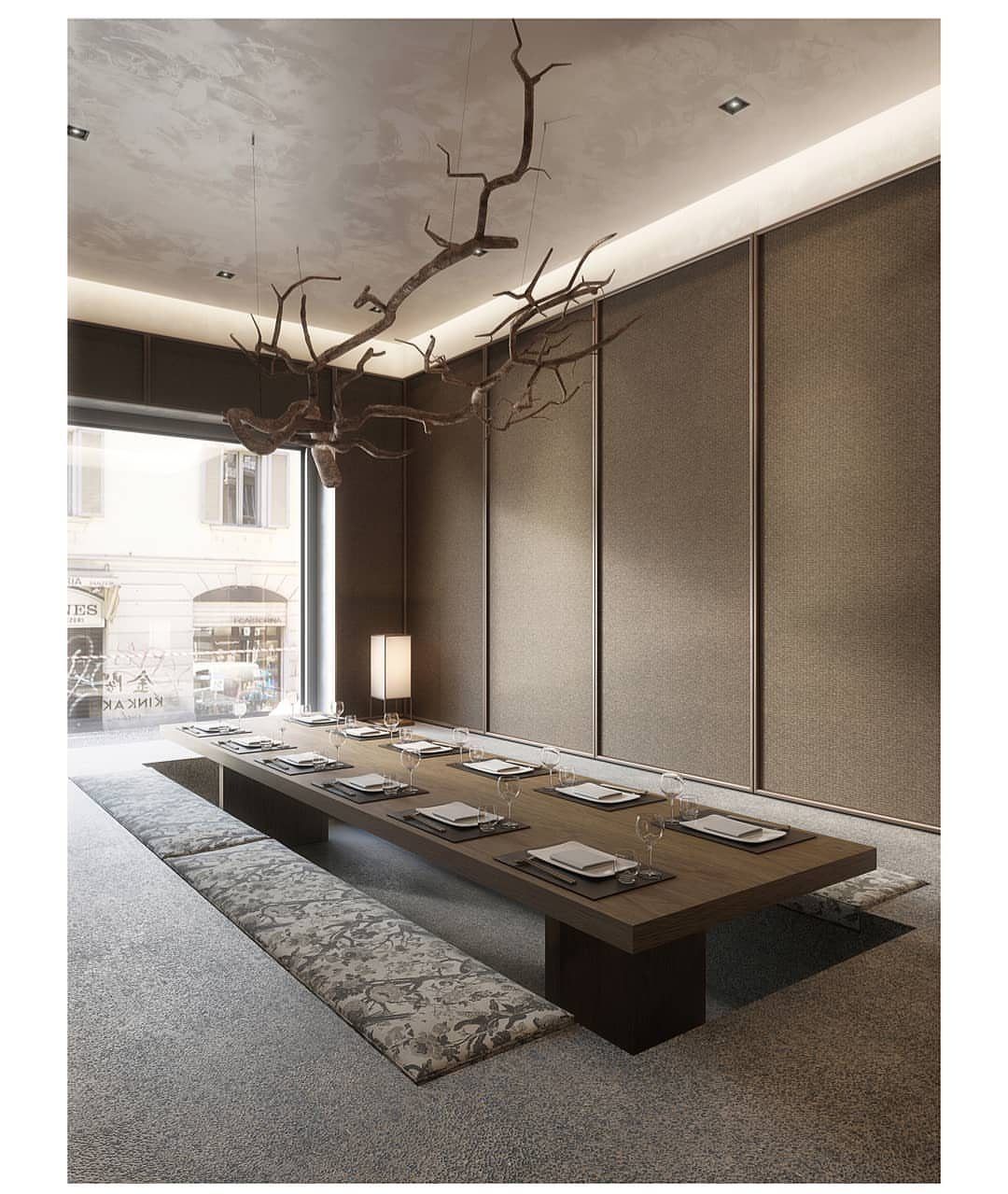
A single branch hung overhead turns the ceiling into the room’s fifth surface instead of dead space.
Dried wood for a ceiling installation should feel substantial, and it can be secured with thin wire or fishing line that disappears against white paint.
I would choose a branch with forks that cast interesting shadows when pendant lights pass through it; the sculptural quality comes from negative space, not density.
This is a weekend project with a stud finder and ceiling hooks rated for the weight of the branch plus any added elements. Live branches drop leaves and sap; dried or preserved is the only practical choice.
Creating a Serene Atmosphere
A serene Japanese dining room depends less on what you add than on what you refuse.
I start with the lighting, because that sets the tone everything else follows. 3 pendants over the table, dimmed low, give enough warmth that cane chairs and bare wood do not feel cold.
The mats, the pottery, the single branch overhead all share one requirement: they are natural materials left in their own color range. Light wood tones work because they do not shout; dark cabinetry recedes when you need depth.
Dry air is a bigger factor in Japanese dining rooms than most American houses provide.
Tatami straw, woven runners, and paper shades all suffer in humidity. I would run a dehumidifier in summer before I would replace any of those pieces.
The window you already have is doing more work than any object you could buy; leave it unobstructed and let the time of day change the room for you.
Japanese Dining Etiquette
Japanese table setting is built on one dish, one plate, and I find that rule simplifies hosting more than it complicates it.
Each serving vessel is chosen for the specific food it holds: ceramic for rice, lacquerware for soup, a cool-toned glass dish in summer for something that needs to read as refreshing.
The point is not the material itself but the relationship between the food’s color and temperature and what holds it.
Tiered stands and stacked trays add height without clutter; they let you build vertical interest on a table that otherwise stays flat.
Linens or coasters with seigaiha wave or asanoha hemp leaf patterns belong at a guest meal, not Tuesday night, but they are worth having for when the occasion comes.
The space between items, ma, is as intentional as the placement. I leave more room than feels natural at first; the eye needs somewhere to rest, and the guest needs the calm that comes from it.
Seasonal Decor
Seasonal change in a Japanese dining room is not a decoration swap but a shift in what the table already does. Spring settings use cherry blossom patterns; summer moves to cool-toned glass that reads as refreshment before the food arrives.
I build a small collection of vessels over time rather than buying a matched set. Mismatched pieces from one potter, or one glaze family, let you choose by season without storing complete alternate sets.
The woven straw runner stays year-round; what sits on it rotates. A bonsai on the table in winter, a low ikebana arrangement when branches are available outside, gives the living element that marks the season without themed clutter.
The one rule I follow: change the water, check the humidity, and never let a seasonal choice become maintenance that outlasts the season itself.
Frequently Asked Questions
What makes a Japanese table setting unique?
Japanese table settings assign every food its own dish, sized and shaped for what goes inside. The ichiju-sansai style pairs one soup and three dishes with rice, each in a distinct bowl or plate.
How to create a Japanese dining room?
Start with the table as the only fixed piece and build outward from what you actually use. Natural materials in their own color range, 3 dimmed pendants for warmth, and an unobstructed window do more than extra furniture.
Tatami mats, woven straw, and paper shades need dry air, so a dehumidifier matters more in summer than most American houses assume.