
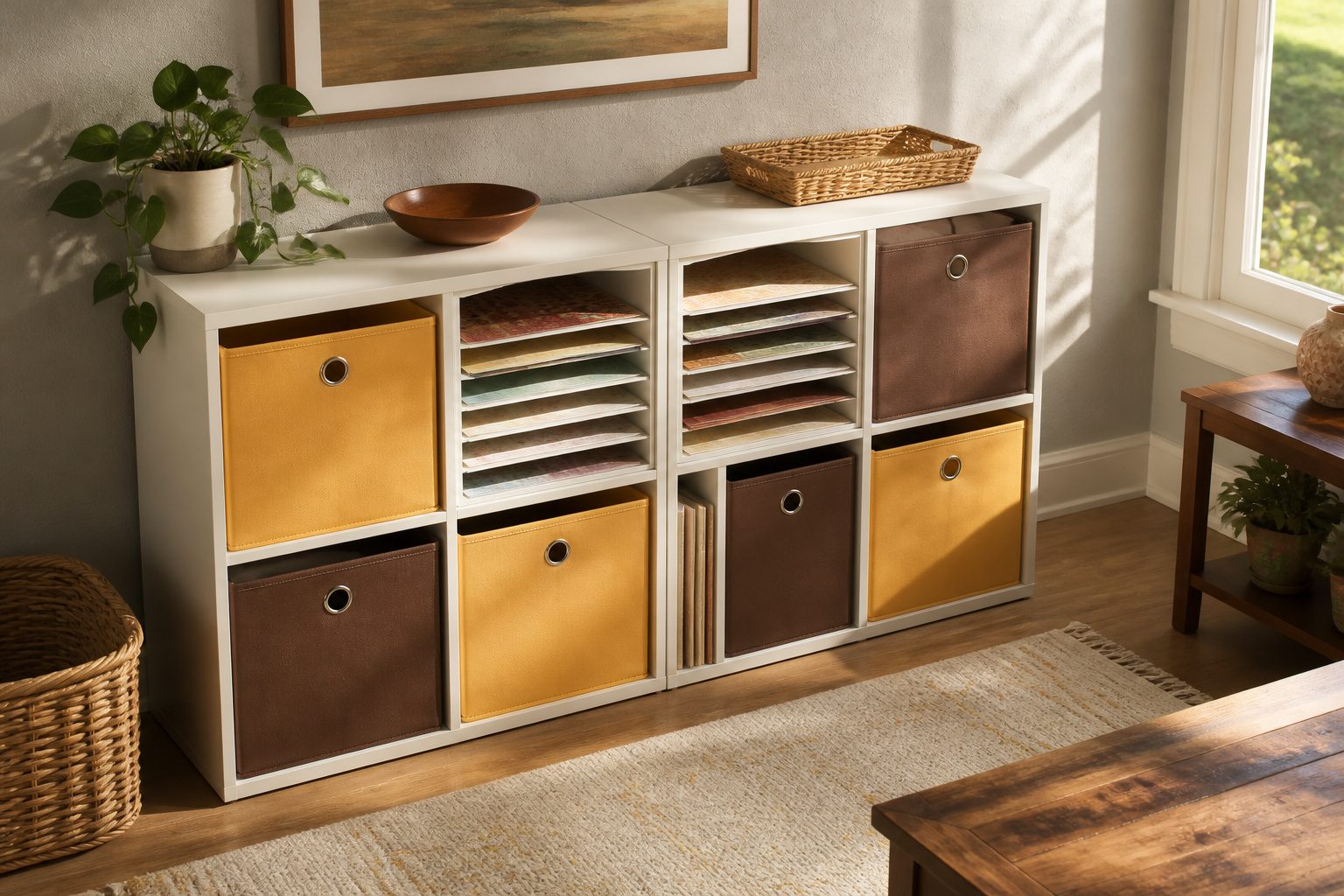
Cube shelf bins are modular storage units built from 3/4" CARB-compliant melamine, each cube measuring 14 inches high by 14-3/8" wide and deep.
The interior width is too tight for 12×12 scrapbook paper in the drawer configurations, so the system includes slanted paper shelves at 12-1/4" wide by 12-3/4" deep specifically for that purpose.
You choose the mix of single, double, or triple-height drawers and paper shelves across ten configurable spaces per cube, with prices running $49.95 to $154.45 depending on how you outfit it.
Storage Cube
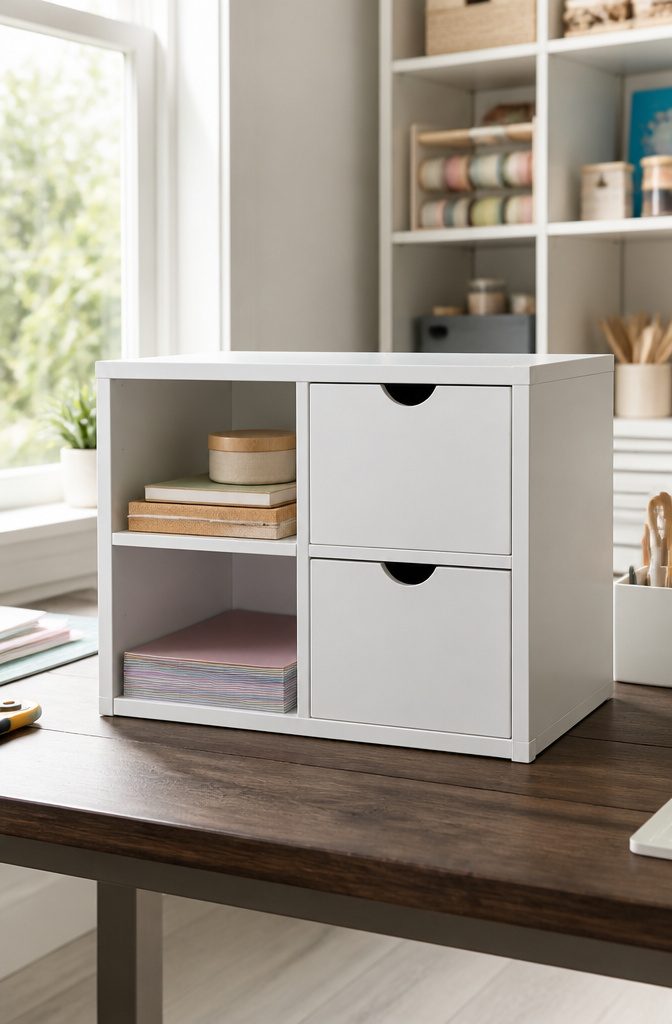
A storage cube built from 3/4" CARB-compliant melamine measures 14" high by 14-3/8" wide and 14-3/8" deep, packing 10 configurable interior spaces into that compact footprint.
The interior fits either drawers at 12" wide by 13" deep, or paper shelves at 12-1/4" wide by 12-3/4" deep, and you decide the mix. One cube handles desktop duty; stacked, it becomes a modular tower that grows with whatever you store.
The price spread runs $49.95 to $154.45 depending on how you outfit it. What I like here is the stackability without wobble anxiety.
Melamine this thick actually earns its keep in a tower because the weight sits square, and CARB compliance matters more than people think if the unit lives in a bedroom or studio where you breathe the same air all night.
You only get white, and polypropylene drawers are not the same as solid wood fronts if you want warmth.
For craft storage or a rental closet, though, the configurability wins. You are not locked into all drawers or all shelves on day one, which saves you from guessing wrong before you know your habits.

🎨【UNLEASH YOUR CREATIVITY WITH FREEDOM】: Embrace creative liberty with our stackable cube storage shelves! Arrange spaciously for abundant storage in large rooms or maximize compact spaces, surpassing your storage requirements.

[Sturdy Construction]:18mm thickness board and inside hollow constructed workmanship & Hidden Bolt & Anti-tipping Kit, lighter than MDF, Better damp proof, More resilience, Easy to carry. The cubby storage organizer also has mortise and tenon between the two cubes to increase stabilit
Single Drawer
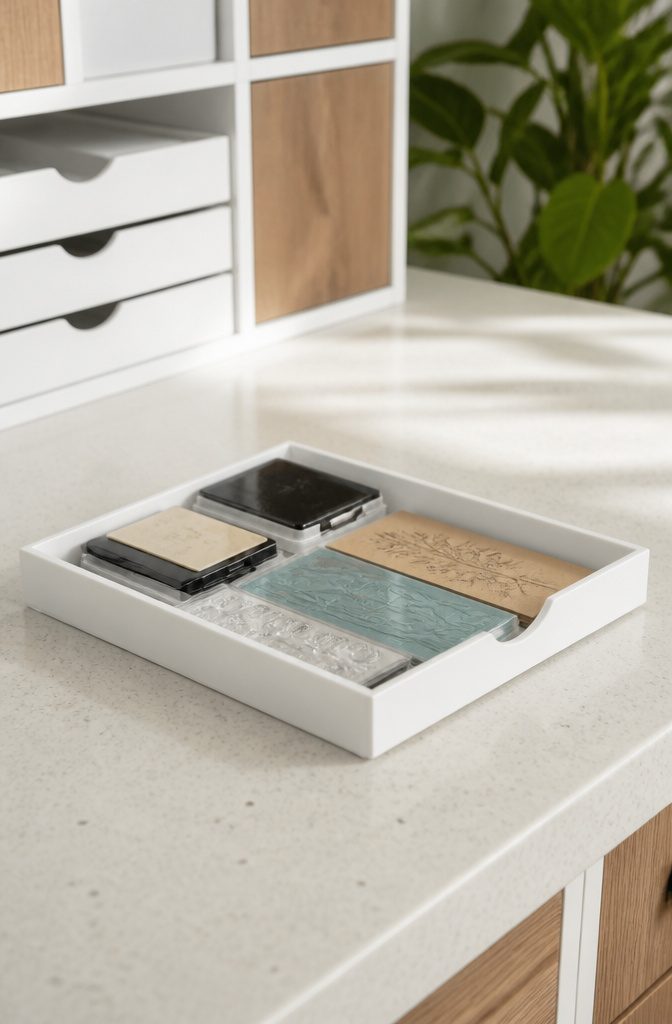
The single drawer is the thinnest option in a cube system, and that one-inch height is exactly what makes it useful. It occupies one of ten interior spaces, so ten of them fill a cube if you want nothing else.
The interior runs 12 inches wide by 13 inches deep, which is room for ink pads, thin dies, stencils, washi tape, and small embellishments laid flat. The material is solid white polypropylene, high-impact grade, so it slides clean and wipes clean.
That 12-inch interior width is too tight for 12×12 scrapbook paper, even if you try to angle it. The paper shelf exists for that exact reason, with an extra quarter-inch of width and a different depth.
The single drawer wins for anything smaller than a full sheet, and it keeps those small items from stacking into an unsearchable pile.
The downside is obvious: depth you cannot use for bulk, and a cube that fills fast if you own a lot of small supplies.

【Total 93 Qt Capacity Multipurpose】Each storage box measures 15.35in*11in*8.27in (LxWxH). These storage boxes can be used to store personal items such as office supplies, art supplies and more. A good storage organizer for bedroom, living room, kitchen, study or office, classroom, etc.

Storage Cubes Basket 6 Pack: Foldable basket set provides attractive, lightweight solutions to many storage and organization needs while keeping household items tidy and organized - Complete storage cubes, closet spaces, nurseries, and more. Sorbus Foldable Storage Cubes measure approximately 11" x 10.5 x 10.5 storage cubes

【Linen Storage Drawers】Linen storage cubes with 2 Drawers. Made of premium linen, these colorful storage are ideal as decorative storage boxes, photo storage box, underwear organizer, shelf storage containers.
Double Drawer
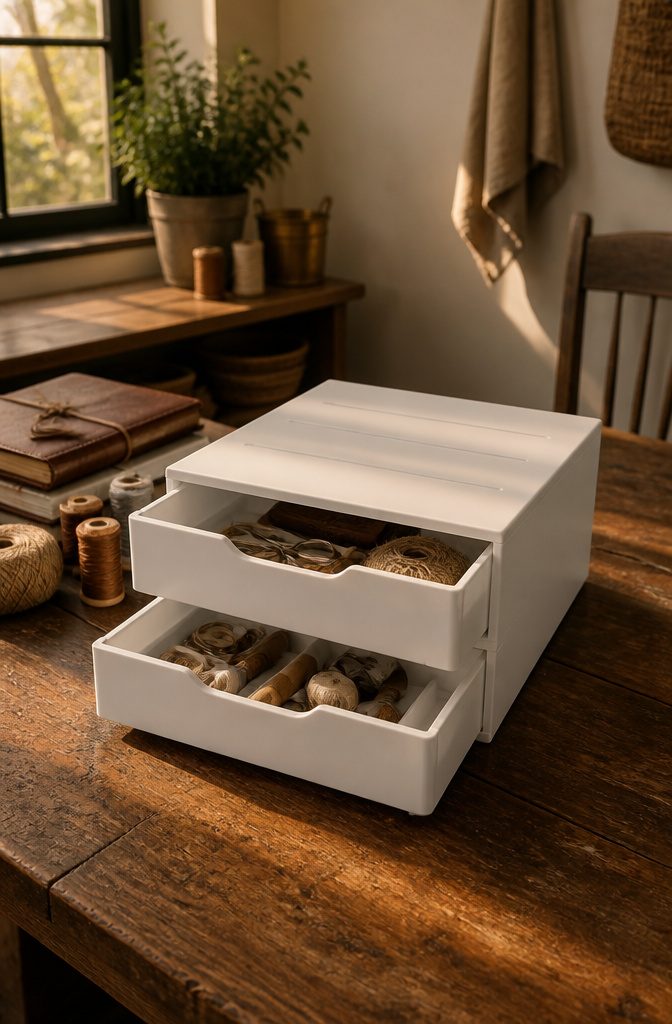
The double drawer at 2-1/4 inches tall uses 2 of the 10 configurable spaces inside a cube, and that mid-height profile is where most people should start if they are not sure what they need.
The interior runs 12 inches wide by 13 inches deep, built from solid white polypropylene that slides without sticking.
That material choice matters more than it sounds: it wipes clean and does not snag on paper edges or fabric corners the way a rougher surface would.
At this height, bulkier tools and stacked supplies finally have room. Punches, adhesives, small jars, and hand tools fit without forcing the drawer closed.
What does not fit are the real space hogs: thread spools standing upright, refill bottles taller than about 2 inches, or anything you would dump loosely into a deep bin.
The double drawer is also not the right place for 12×12 paper; the paper shelf exists for that exact reason.
For a renter or first-home owner with a few hundred dollars and a weekend, this is the practical middle ground. The single drawer at 1 inch saves space but forces you into flat, small-item storage.
The triple drawer at 3-3/8 inches swallows three spaces and leaves you with fewer configuration options across the cube. I would put doubles in first and swap one out later only if a specific tool set demands the extra depth.

【Ample Storage Space】 - With a total of 12 layers, each measures 12.2"W × 11.8"D × 0.8"H, the scrapbook paper rack offers generous storage capacity for your 12-inch paper sheets, keeping them neatly organized and easily accessible.

- Our 12x12 paper storage set includes 4 pieces, providing ample space for organizing and storing your 12x12 papers, scrapbook materials, vinyl paper, and card stock. With a sturdy construction, these storage solutions are built to last.
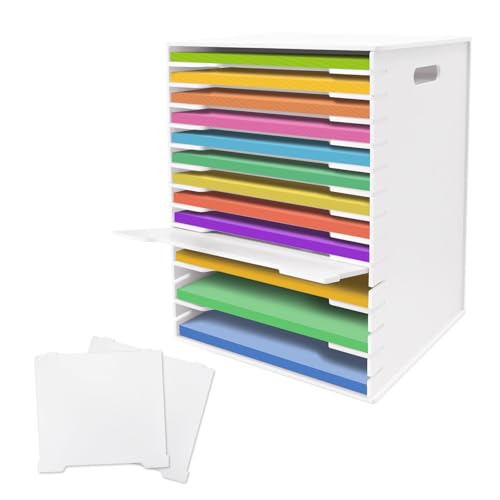
PERFECT SIZE FOR 12×12 PAPER: This 12×12 paper organizer features 15 spacious compartments designed specifically for scrapbook paper, vinyl sheets, and craft paper. Measuring 13"W x 12.2"D x 16.3"H, it fits easily on desks, shelves, or floors and works with most standard storage systems, making it ideal for home, office, and school use.
Triple Drawer
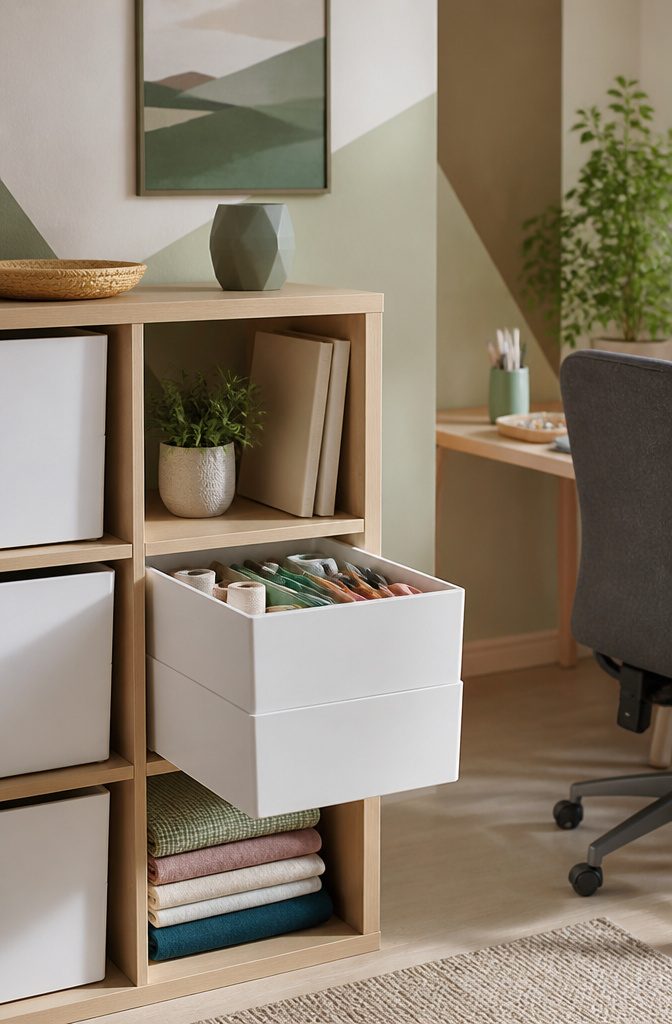
A triple drawer at 3-3/8" tall spans three cube spaces, and that extra height changes what you can actually store.
Solid white polypropylene gives it the same clean look as the smaller drawer options, but the interior depth here is what matters: at 13 inches, this is the deepest standard drawer the system offers.
Fabric bolts, bulkier craft tools, or anything that fought the shallow single and double drawers finally has a place.
What you give up is footprint.
Three cube spaces is a real commitment in a cabinet with only ten configurable spaces total. I would not spec this for a mixed-use setup unless the user already knows their storage skews large.
For someone working primarily in textiles or with sizable hand tools, though, the triple drawer is the obvious choice over stacking smaller drawers and losing vertical height to dividers.
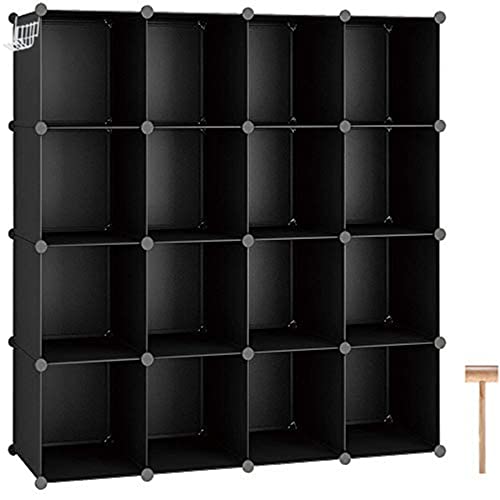
ELEGANT DISPLAY SHELF: Well-organized home makes you being at home more enjoyable. The modern fashionable plastic cube organizer by displaying multiple items, such as books, photos, toys, bags, potted plants, CDs make your house organized and neat

ELEGANT DISPLAY SHELF: Well-organized home makes you being at home more enjoyable. The modern fashionable plastic cube organizer by displaying multiple items, such as books, photos, toys, bags, potted plants, CDs make your house organized and neat

VERSATILE DISPLAY SHELF: This versatile display shelf can store all sort of items what you want: such as books, clothes, toys, decorations and more. A multi-functional storage shelf to display your daily essentials
Paper Shelf
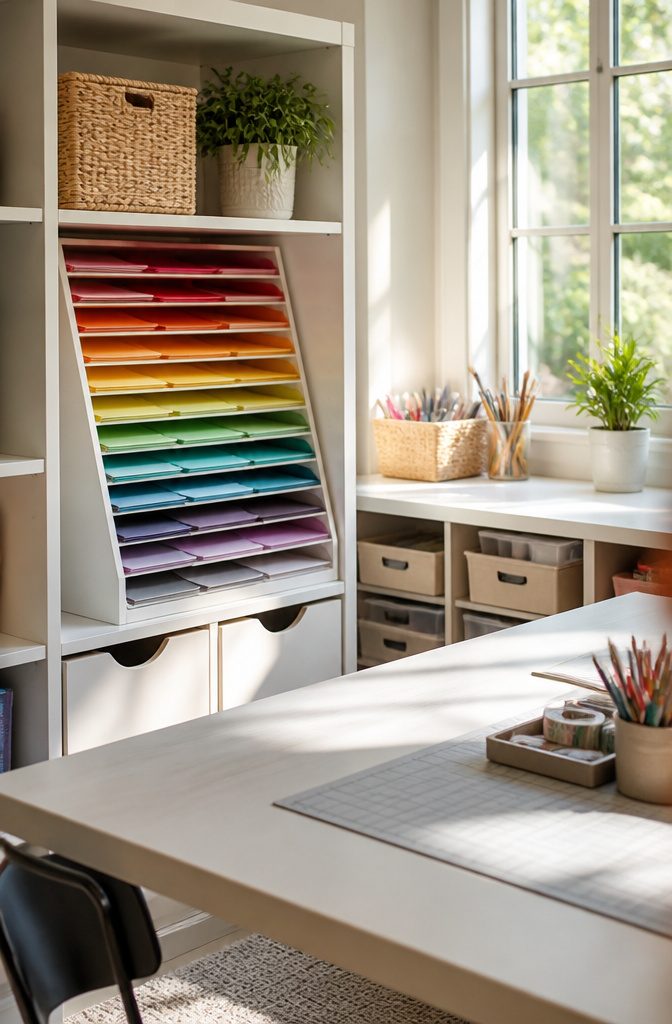
Slanted paper shelving makes sense for cube shelf bins when the contents are flat and the priority is visibility.
A drawer hides the top sheet; a slanted shelf lets you thumb through a stack and pull the color you need without unstacking anything.
The interior runs 12-1/4" W × 12-3/4" D, built specifically for 12×12 paper with just enough clearance that edges don’t dog-ear on the sides or back.
That half-inch of extra depth matters more than it sounds. Paper bows over time, and a shelf cut to exactly 12" leaves the corners curling against the front lip.
The 3/4" melamine cabinet and polypropylene shelf itself are the same materials used in the drawer configurations, so the choice really does come down to access pattern, not durability.
I would take the paper shelf for any collection I actually use, and put drawers only where I’m storing finished projects or bulk stock that doesn’t need browsing.

【All-in-One Desk Command Center – Teachers, Parents, Students, and Office Professionals】 4 spacious tiers let users organize homework, lesson plans, art supplies, office documents, and stationary. Perfect for classrooms, home study, offices, and creative spaces, keeping essentials easily accessible for all ages

Versatile multi-purpose storage items with a coordinated look

SUTIABLE DIMENSIONS: The assembled paper organizer measures about 12.6"W x 12.6"D x 13"H, each layer measuring 12"W x 12"D x 0.9"H. The white desk organizer has 12 compartments with large size, which were designed for paper measuring 12 x 12 inches. Our desk organizer also fits on a shelf or on the floor. Also fits inside popular shelving units! It is perfect for home, office and school.
Assembly
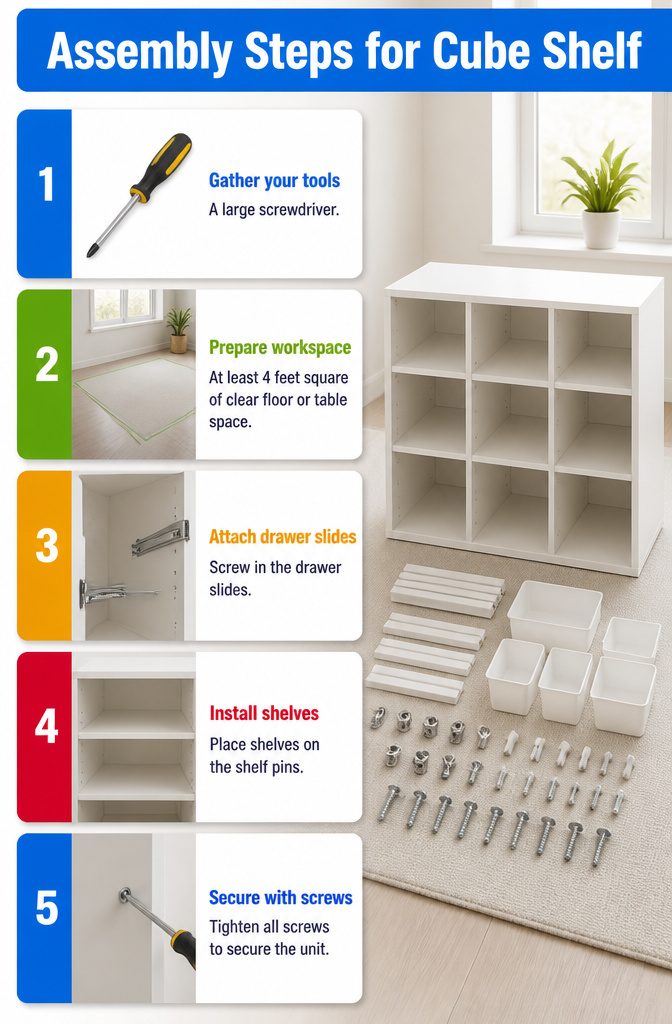
A large screwdriver is the only tool you will need to add. The cabinet arrives with all hardware included and pre-drilled holes, so there is no measuring or guesswork about placement.
What is in the box:
- The cabinet itself, built from 3/4" CARB-compliant melamine.
- Ten configurable interior spaces with drawer and paper shelf interiors ready to accept the included components.
- High-impact white polypropylene drawers and shelves in single (1"), double (2-1/4"), and triple (3-3/8") heights.
- All screws, connectors, and fittings required for assembly.
What you need on hand before starting:
- A large screwdriver. A power driver will speed things up, but it is not required.
- A clear floor or table space at least 4 feet square. The exterior dimensions run 14" high by 14-3/8" wide and deep, but you want room to flip the unit and slide drawers in without scratching the melamine surface against a wall.
The pre-drilled holes line up the drawer slides and shelf pins automatically.
Where I see people slow themselves down is forcing hardware in at an angle. The melamine edges are finished but not forgiving, so straight vertical pressure on the screwdriver is the move that keeps the cabinet sides clean.

6-pack of interlocking wire storage cubes for neat cubby storage and tidy display

Large Storage System: Each cube size is 11.8"x11.8"x11.8"(30 x 30 x 30cm), storage bins up to 11" fit into it; 16 cube shelves units provide enough space to store books, clothes, toys, shoes, bags, purse, potted plants, files, yarn, artworks, etc. This storage organization helps store and display your daily items

ELEGANT DISPLAY SHELF: Well-organized home makes you being at home more enjoyable. The modern fashionable plastic cube organizer by displaying multiple items, such as books, photos, toys, bags, potted plants, CDs make your house organized and neat
Interior Capacity
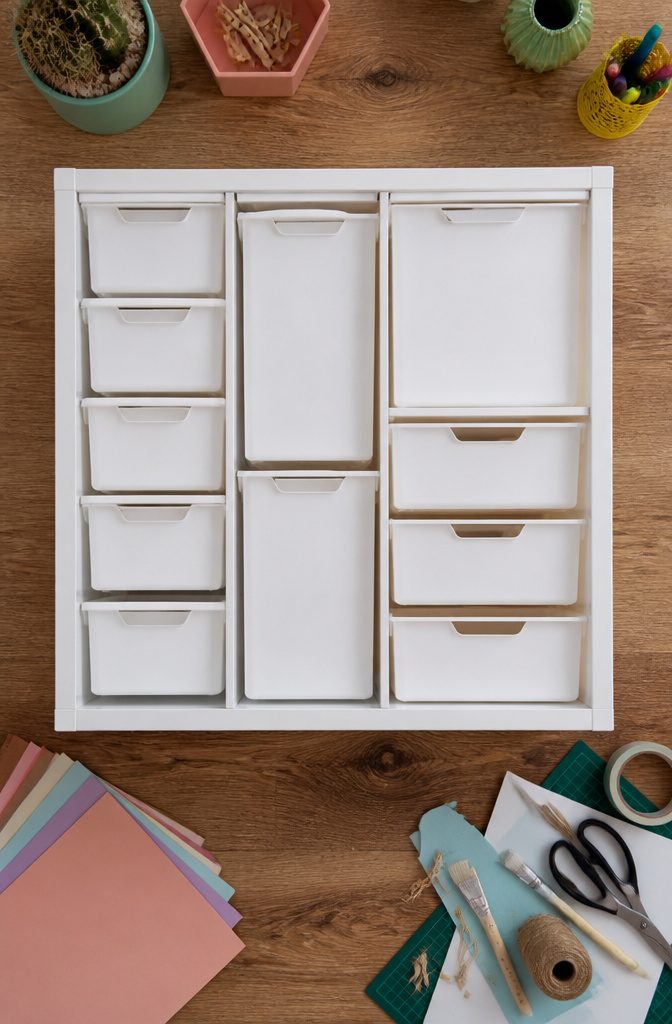
Each cube gives you 10 vertical interior spaces to fill with any combination of single, double, or triple-height drawers and paper shelves.
The only useful way to decide the mix is to start with what you already reach for most: paper and flat supplies favor the 12-1/4" by 12-3/4" paper shelves, while tools and small embellishments need drawers in the heights that match their bulk.
Single drawers stand 1" tall, doubles at 2-1/4", and triples at 3-3/8", so a bulky tape dispenser or stamp pad needs the triple; a collection of washi tapes gets the single.
I would not default to an even split. Most crafters I have seen end up with too many shelves and not enough shallow drawers, because shelves look flexible until you realize loose items slide around.
My preference runs heavier on single and double drawers than the product photos suggest, with paper shelves reserved for the one or two spots where I store actual 12" paper flat.
The 12" width by 13" depth of the drawer interior is slightly shallower than the shelf, so check your largest items before committing to all drawers.
No single configuration wins for everyone, but starting from your actual stash rather than the manufacturer’s suggested layout saves a reorganization later.

【Space Saving】The plastic storage drawers save space without taking up too much floor area. Designed to maximize storage under the walk-in closet, they feature smooth-glide drawers for easy access, allowing you to effortlessly slide them in and out. Perfect for organizing clothing, bedding, and out-of-season essentials.

TRUSTED BY TRAVELERS – AS FEATURED IN CNN UNDERSCORED: Selected among the best travel shoe bags by CNN Underscored, this bag holds up to 6 pairs of shoes when fully opened — more room than you'd expect from a compact 40 x 35 x 22 cm design. A thoughtful gift for birthdays, weddings, or any frequent traveler.
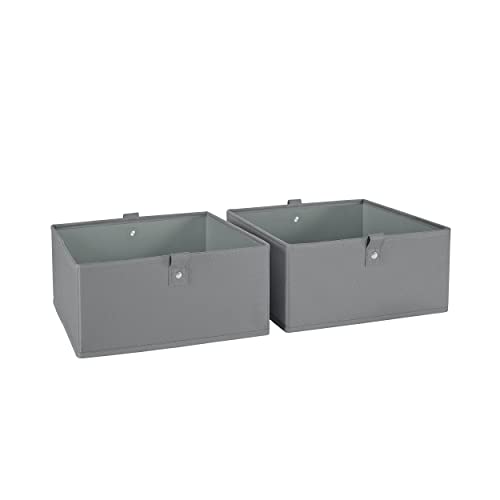
ASSEMBLED SIZE AND WEIGHT: Storage cubes measure 10.5" W x 10.5" D x 5" H each. Made from 600 Denier Polyester Canvas, non-woven polypropylene and thick paperboard, these lightweight bins are easy to move and carry for efficient organization and storage. Each bin will hold up to 10 pounds for a total weight of 20 pounds.
Accessory Trays
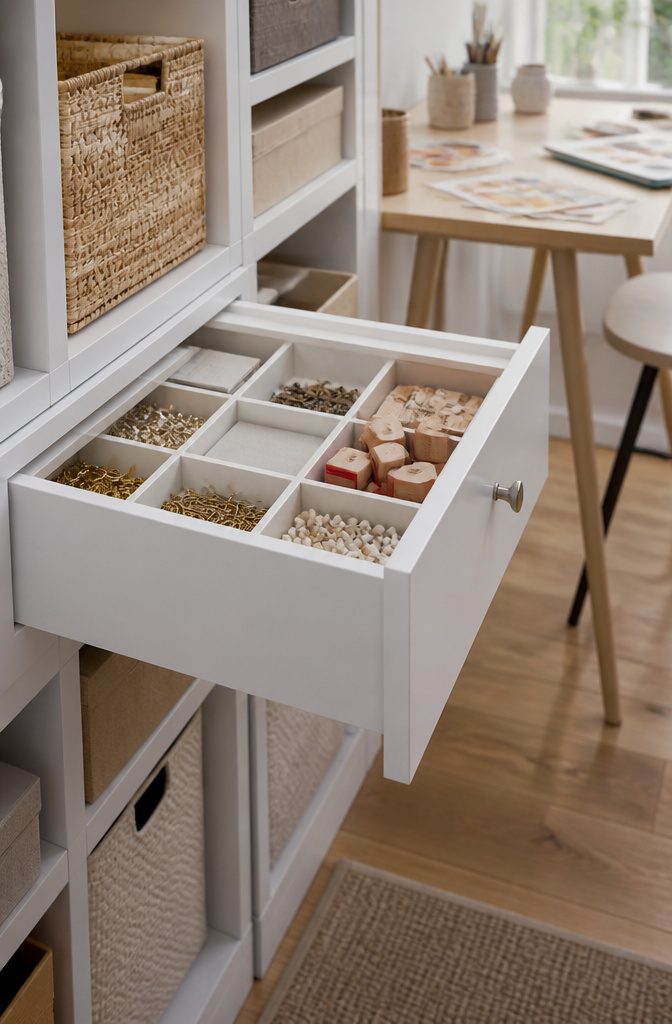
Small supplies in a cube drawer have a way of drifting into one pile by Wednesday.
Accessory trays fix that by dropping a grid of inner compartments into the drawer so paper clips, stamps, or hardware sit in their own cells and stay there when the unit slides closed.
The best ones match the interior width closely enough that they do not lift or shift, but still leave finger space to lift them out when you need the whole drawer for something larger.
I see these as an add-on worth the small cost only if you already know what small items you are fighting with.
A drawer full of mixed loose supplies earns the tray; a drawer holding three shoebox-size categories does not need the subdivision.

【Compatible with 13" Cube Storage】Designed to fit standard 13" cube cabinet, this paper organizer is your ideal storage solution for 12"x12" scrapbook paper. Its smartly sized frame integrates seamlessly into your existing shelving, while the 12 spacious tiers—each holding up to 100 sheets—provide a total capacity of 1,200 sheets, keeping your entire craft collection neatly organized and within easy reach
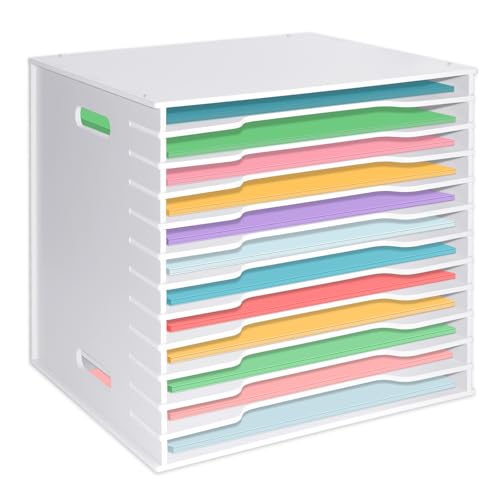
【ADEQUATE STORAGE SPACE】The scrapbook paper storage has 12 layers. The desk paper organizer external dimensions are 13 x 12.2 x 13inch. Each layer measures 12 x 12 x 0.78inch. It made of quality 5mm PVC foam board, provides plenty of space for your 12inch paper, keeps your valuable paper flat and organized.

Ample Storage Space - With a total of 12 layers, each measures 12.2"W × 11.8"D × 0.9"H, the scrapbook paper rack offers generous storage capacity for your 12-inch paper sheets, keeping them neatly organized and easily accessible
Label Holders
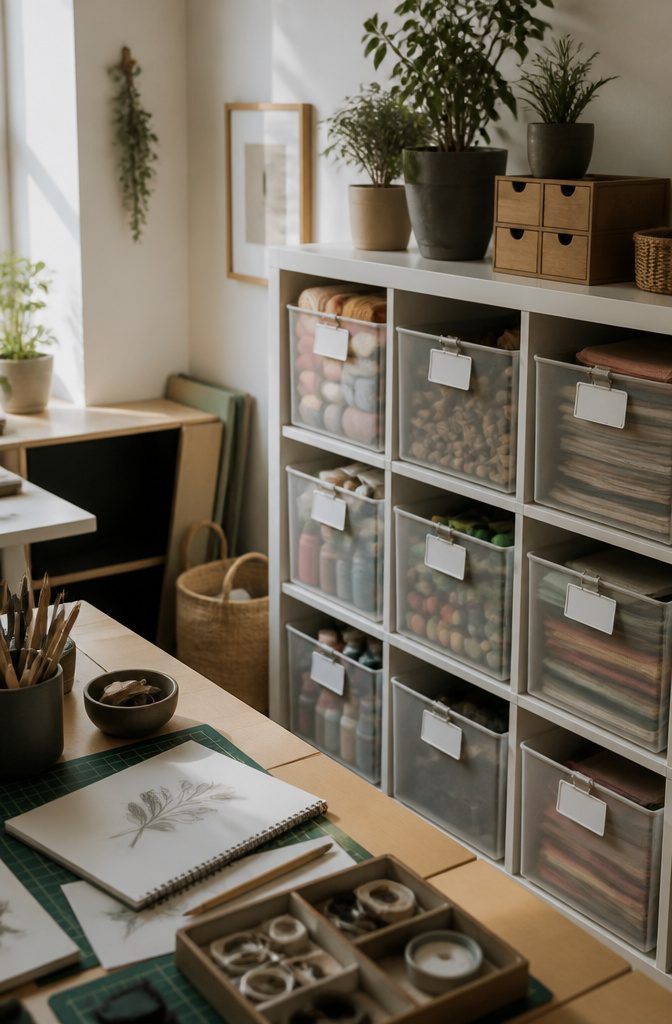
Label holders solve the problem you hit about twenty minutes into sorting beads, washi tape, or hardware: three drawers that look identical from the outside and nothing visible to tell them apart.
A clip-on holder that sits on the drawer front lets you swap labels without commitment, which matters when your categories shift from sewing notions to charging cables between projects.
The holders I prefer are the ones that grip a card or a strip of masking tape without adhesive, since drawer fronts in cube systems are usually laminate or fabric and tape residue builds up fast.
If you are running a mix of single, double, and triple drawers in one unit, consistent labeling becomes the difference between a system you maintain and one you abandon.
I would skip the adhesive-backed versions entirely; they work once, then leave you scraping paper off textured bin surfaces when the label fades or the contents change.
For anyone storing similar-looking supplies, the real benefit is speed of access. You pull the right drawer first try instead of opening three to find the one thing.
The cost is minimal, and the only trade-off is a small visual strip across the front of each bin, which I find preferable to the alternative.

LARGE CAPACITY STORAGE: Each cube size is 11.8"L X 11.8"W X 11.8"H (30 x 30 x 30 cm).The product dimensions is: 36.6”L x 12.4”W 48.4”H, Large capacity to meet your different storage needs, and it fits storage bin that is smaller than 11.5 x 11.5 inches

Cube-shaped interlocking wire-grid storage shelves; great for linens, kids' toys, books, shoes, pantry items, and more

Large Storage System: Each cube size is 11.8x11.8x11.8 inch, 12 cube storage shelf with enough storage space for you to store books, toys, yarn, shoes, clothes, bags, purse and more everyday things you want to store, a ideal home storage solution for you
Stacking and Setup
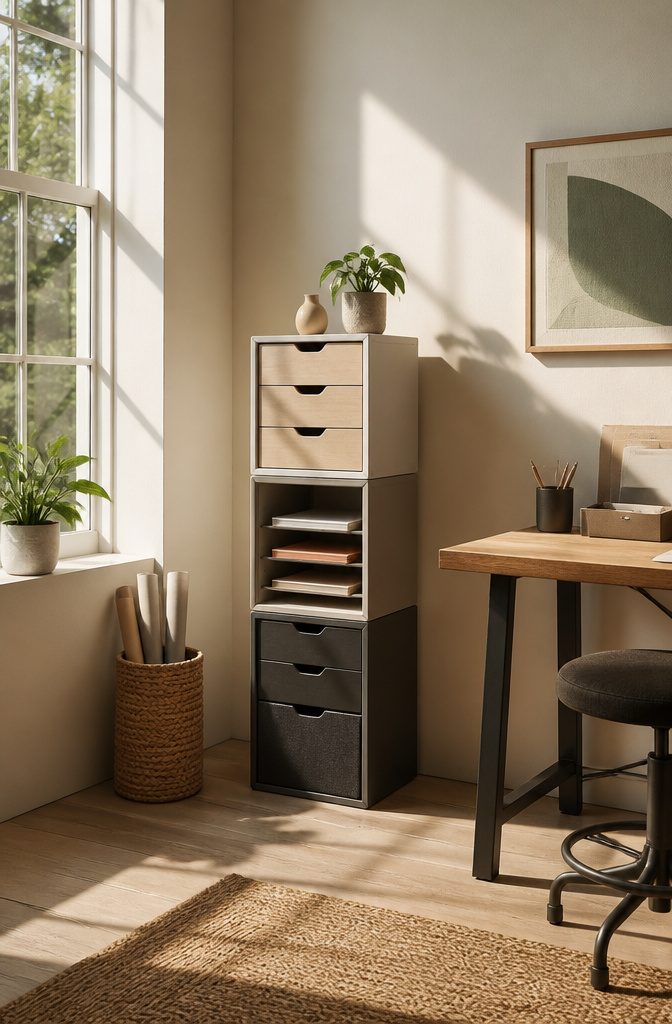
A single 14-inch storage cube sits neatly on a desk today, which is exactly why people buy it.
The design intent is vertical growth, not a footprint that sprawls across your floor. Stack multiple units into a modular tower and your supplies climb instead of spreading.
Stability matters more as the tower rises. A cube on carpet behaves differently than one on a desktop, and the top unit feels any wobble the bottom one hides.
I would anchor a three-cube stack to the wall if small hands or pets share the space, even though the units are built to nest cleanly.
The interior spaces stay configurable at every height, drawers and paper shelves mixing to match what you actually store that month.
The compact size is what makes this workable. At 14 inches, each cube is small enough that stacking four still leaves the top shelf within reach for most adults, which means the system stays usable without a step stool.
That is the practical ceiling I would plan around, not a theoretical maximum.

7 COMPARTMENTS: Countertops and closets stay clean and clutter-free with this compact clutch organizer with 7 separate storage slots; Store your daily go-to clutches and wallets vertically and keep them organized and easy to find to make your morning routine effortless

Large Storage System: Each cube size is 11.8"x11.8"x11.8", 6 cube shelves units provide enough space to store books, clothes, toys, shoes, bags, purse, potted plants, files, yarn, artworks, etc. It is a multi-purpose room storage organization to store your daily items

【MULTI-PURPOSE】 Our 4 pcs closet storage bins are home essentials to save storage space and keep everything organized. Large enough baskets for organizing clothes, kid’s toys, nursery room items, extra linens, laundry, towels, sheets, pantry and more.
Frequently Asked Questions
Can I really stack multiple cubes on top of each other?
Yes. The cubes are built from 3/4" CARB-compliant melamine and stack cleanly into a modular tower that grows with your storage needs.
At 14 inches each, a stack of four still leaves the top shelf within reach for most adults. Anchor any stack three cubes or taller to the wall if small children or pets share the space.
Will 12×12 scrapbook paper fit inside a drawer?
No. Drawer interiors measure 12" wide by 13" deep, which is too tight for 12" paper even if you angle it.
Use the slanted paper shelf instead, which measures 12-1/4" wide by 12-3/4" deep and gives the extra quarter-inch of clearance that keeps edges from dog-earing.
How do I know which drawer mix to choose?
Start with whatever supplies you reach for most. Flat items like ink pads, thin dies, and washi tape fit single drawers at 1" tall; bulkier tools like punches and adhesives need double drawers at 2-1/4" or triples at 3-3/8".
You can pull drawers out and swap them later, so the mix can change once you know your actual habits.