
A rustic outdoor dining setting is built for eating outside without pretending to be fancier than that: simple construction, visible grain, and a finish that tolerates weather instead of fighting it.
The problem is that "rustic" gets stretched thin by marketing, so knowing what you are actually looking at saves money and regret.
Teak runs $1,449 to $1,689 for a six-person set that lasts decades, while eucalyptus folds flat for balconies at a fraction of the price but needs winter cover to keep its color even.
Farmhouse Outdoor Dining Sets
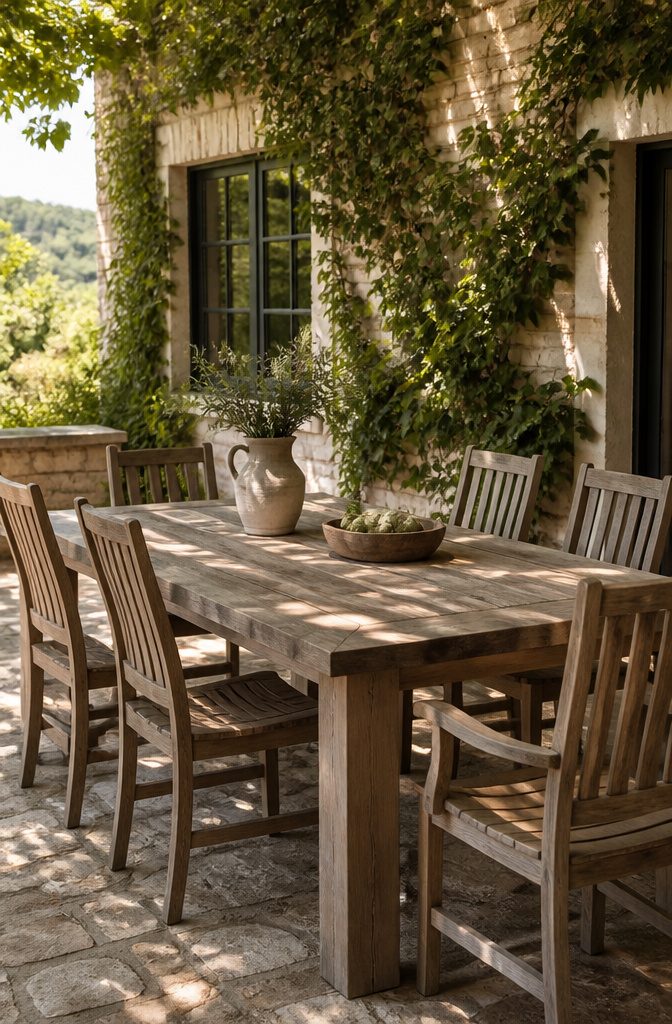
Farmhouse outdoor dining sets bring the easy familiarity of a country kitchen table to a porch, patio, or backyard gathering space.
Their appeal comes from straightforward shapes and substantial proportions, with details that feel useful rather than ornamental: broad tabletops, slatted chair backs, gently shaped seats, and bases with a sturdy visual presence.
The look can lean traditional, with turned details and warm wood tones, or feel more pared back, with clean lines and contrasting finishes.
Either way, the dining area should feel like a place where people can settle in, pass a serving bowl, and stay for another conversation after the plates are cleared.
A rectangular table often suits that familiar farmhouse arrangement, giving shared dishes a place down the center and creating a natural gathering point for family meals.
Round tables offer a different kind of ease, keeping everyone within comfortable conversational distance and fitting neatly into some smaller layouts.
Benches can emphasize the casual, communal character of the style, while individual chairs give each person a defined seat and make it easier to adjust the arrangement.
A combination of the two can feel especially welcoming without making the space look overly coordinated.
Color helps establish the mood, too. Creamy neutrals, deep charcoal, muted earth tones, and natural-looking finishes can complement brick, stone, painted siding, or exposed wood.
Texture matters as much as color; a subtly grained surface or a slatted back can give a simple silhouette depth without adding visual clutter.
For a dining area connected to a seating nook or porch swing, repeating one element, such as a similar frame color or gently curved profile, is often enough to tie the separate areas together.

COASTERS with HOLDER SET: 6 pcs acacia wood coasters and a black metal coaster holder that keep the coasters easily available and organized
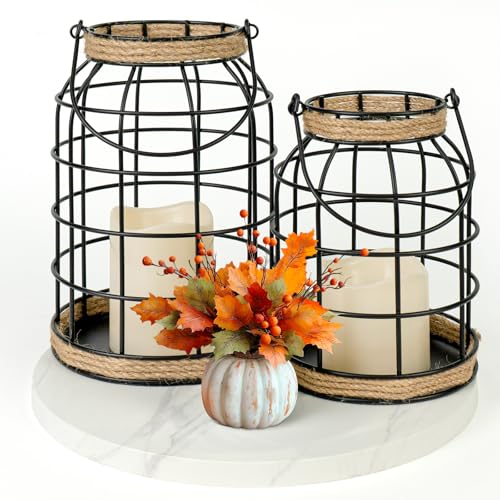
Create a Cozy Ambiance Anywhere: Elevate your home with rustic farmhouse lantern decor set of 2! Perfect for dining tables, mantles, or front porch décor, these lanterns feature LED candles with a 6-hour timer to bring warm, relaxing light
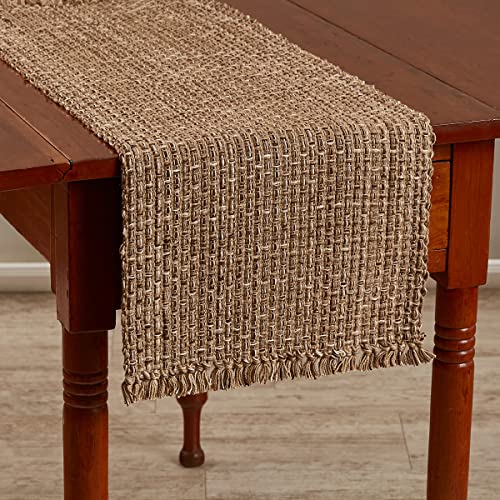
FARMHOUSE CHARM HOME DECOR - Perfect for farmhouse style interiors or casual boho settings, the tweet table runner is inspired by the rich hues of your favorite denim pieces while adding a touch of rustic elegance to your dining table
Teak Outdoor Dining Sets
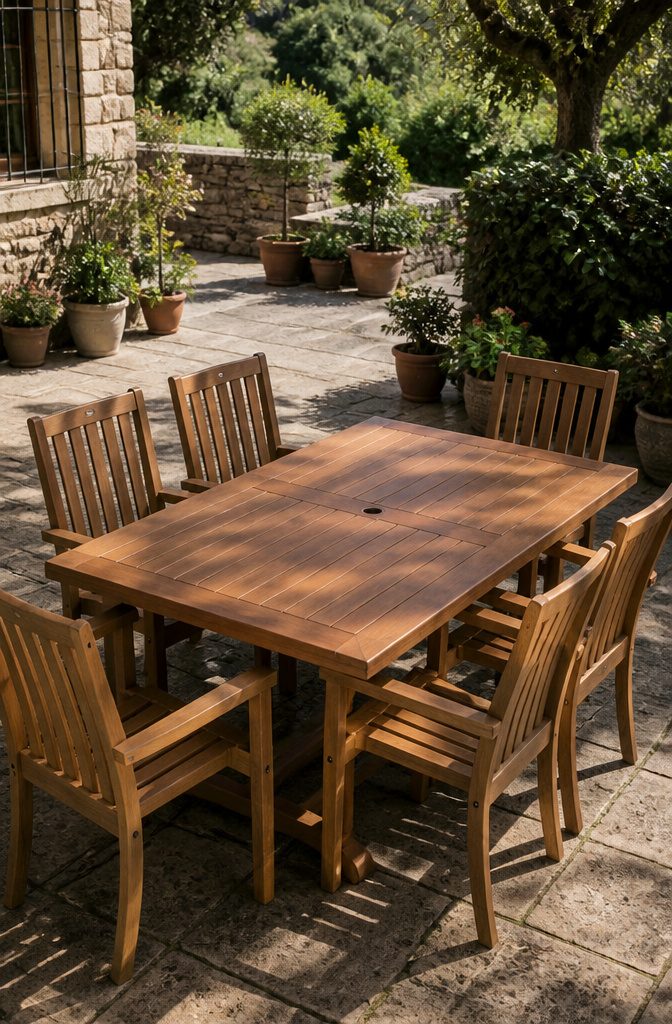
Teak moves to the top of the list for anyone who wants a rustic outdoor dining setting that still looks deliberate decades in.
The wood weathers to a silver-gray patina if you leave it alone, or it stays that warm honey tone with a yearly coat of oil. Either finish reads as intentional, not neglected.
Extendable tables are where teak earns its keep for hosts. A 48-inch round that seats four becomes a six-person table when leaves go in, which matters more than people expect.
The Warwick Teak Dining Set runs $1,449.95 to $1,689.83, a concrete spread against other hardwoods that often start there for a fixed four-top.
The set pairs Oxford’s 48-inch table with Warwick chairs, a traditional silhouette in that rich golden-brown that warms up stone patios or weathered decks without fighting them.
Solid teak frames handle daily use and shifting weather without the fuss of softer woods.
The built-in umbrella hole is standard on most sets this grade, shade sold separately. Removable cushion covers help, since outdoor fabric collects pollen and bird dropping regardless of how careful you are.
The cost stings upfront. Spread across fifteen to twenty years of actual use, though, teak costs less per season than replacing a mid-grade set every four or five years.

Acacia Wood Dining Chairs: Crafted from premium acacia wood, these dining chairs offer exceptional durability and natural resistance to outdoor elements. The sturdy hardwood construction helps withstand everyday use while maintaining its strength and stability over time

Built-to-Last Teak Wood: The whole folding chair is constructed of Indonesian teak wood, which is abrasion resistant and burr-free, ensuring long service life and better using experience. And the X-shaped structure is designed for higher stability.

【Ergonomic Horizontal Slat Back Design】:Each dining chair features a classic horizontal slatted backrest, delivering soft back support for long-time sitting during dinners and gatherings. Slatted seat design boosts fast water drainage and air circulation, preventing water accumulation and mildew growth outdoors.
Cast Aluminum Dining Sets
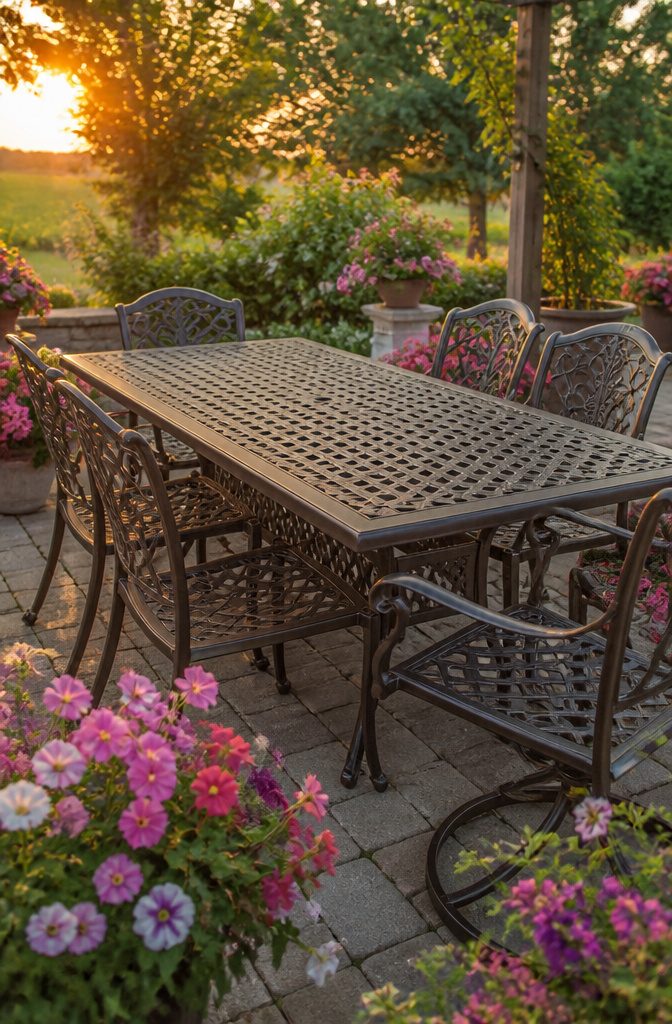
Cast aluminum gives you the detail work of wrought iron without the heft.
The material pours into molds that capture floral scrollwork and lattice patterns you would not get from tubing or extrusions, then cools into a frame that shrugs off rain and resists rust without needing a cover every season.
The weight matters if you move furniture for parties or store pieces in a garage over winter.
A typical 84-inch patio dining set with a rust-proof frame and slatted metal surface runs easy to shift but stays planted once the chairs fill.
The Naples Aged Bronze Cast Aluminum Dining Set sits at $3,599.95–$4,139.77, which puts it at the upper edge of what most weekend-project budgets allow. You are paying for the sand-cast ornamentation and the aged finish, not raw durability.
A simpler slatted aluminum table and chair set with the same rust-proof construction and UV-resistant powder coat will last as long for less, though the surface stays plain.
My call: if the carved detail is what reads "rustic" in your yard, the Naples collection earns its place. If the setting is mostly greenery and wood accents, put the difference toward cushions or a better umbrella.

[9-PIECE SET] This set includes 8 armchairs and 1 rectangular extendable table. This set is ideal for both indoors and patio and will make your outdoors an elegant space to enjoy with family and friends.

[TABLE] Rectangular extendable table. This table is ideal for both indoors and outdoors and will make your home ready to enjoy with family and friends.

EASY EXTENDABLE DESIGN: Quickly and effortlessly adjust this extendable patio dining table to comfortably seat 6–8 guests with a smooth, hidden sliding mechanism that allows the tabletop to extend from 63" to 83". The design enables one person to operate the extension with minimal effort, providing ample space for outdoor meals, weekend family gatherings, or casual patio entertaining.
Eucalyptus Wood Sets
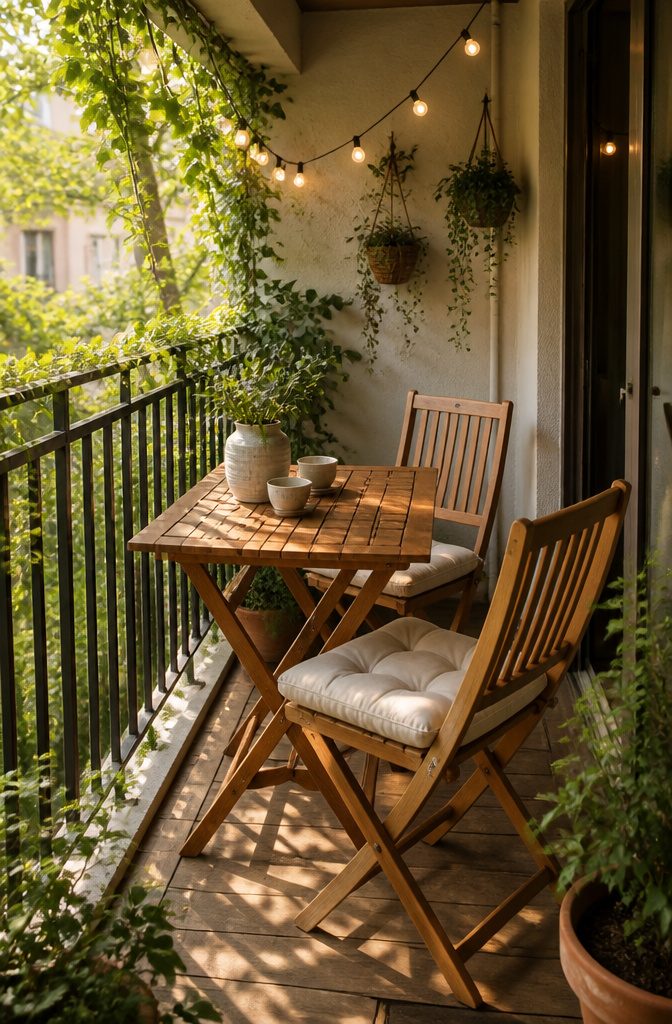
Eucalyptus wood carries a natural resistance to water and weather that makes it a practical choice for a rustic outdoor dining setting without the premium price of teak.
The grain runs straight and even, giving it a classic look that reads warm rather than rustic kitsch.
For smaller spaces, the Fleur 24-inch Eucalyptus Patio Bistro Set folds flat for storage and comes ready to use, which matters more than it sounds when you are working with a balcony or a narrow porch.
The solid eucalyptus construction holds up to regular use, and the included cushions keep the slat-back chairs comfortable enough for a long breakfast.
The 4.7-star rating across 1,725 votes suggests the durability claim holds up in practice, though the folding hinge is the point most likely to wear first.
If you need more seats, the same line runs to a 64-inch seven-piece dining set with sling-back chairs and an umbrella hole; assembly takes more effort, and buyer notes mention the chairs are the pain point.
Either way, eucalyptus sits in the middle ground: it will not last decades like teak, but it outperforms pine or acacia at this price and weight. Store it under cover in winter if you want the color to stay even.

【Solid Acacia Wood Tabletop】The tabletop and armrests are crafted from premium solid acacia wood, highlighting the natural beauty of its rich grain. Known for its durability and resistance to everyday outdoor conditions, acacia wood adds warmth, strength, and timeless appeal to your outdoor dining space.

UV-Resistant for Year-Round Outdoor Use: Finished with a professional-grade UV-resistant coating to help resist fading and protect its shape and color through every season. Leave your Xdeco dining chairs outdoors and enjoy your space year-round

[7-PIECE DINING SET] This set includes 1 teak finish lazy susan table and 6 dining chairs. This set is ideal for both indoors and patio and will make your outdoors an elegant space to enjoy with family and friends.
Poly Composite Dining Sets
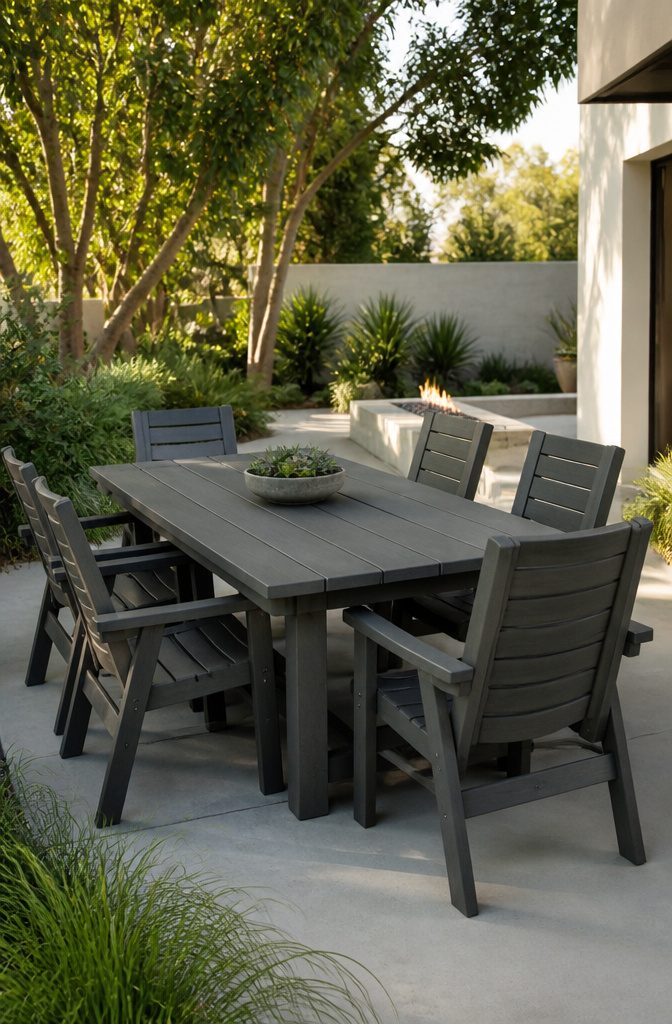
Recycled poly composite boards are sawdust and plastic resin pressed into a grain pattern that reads as weathered timber from three feet away.
The material sheds water instead of drinking it, so the upkeep drops to a soap-and-hose rinse a few times a season rather than the sanding, sealing, and staining cycle that keeps real wood rustic tables from graying to splinters.
I have watched homeowners abandon outdoor projects mid-summer because the maintenance calendar became a second job; composite removes that friction entirely.
Color runs wider than most people expect. Warm browns, slate grays, and driftwood tones all ship in the same material, and the pigment runs through the full thickness rather than sitting on top.
A scratch on composite stays the color of the board instead of opening pale wood underneath.
Weight is the real downside: a six-seat composite table can push past what two people want to lift, which matters if you rearrange the patio for parties or store furniture in a garage for winter.
For a permanent rustic outdoor dining setting that stays put, I would pick composite over wood almost every time. For a space you reconfigure often, the lighter material wins despite the extra care.

ALL-WEATHER DURABILITY: Engineered for long-lasting outdoor durability, this outdoor table and chairs features a heavy-duty, rust-resistant aluminum frame paired with a high-density polystyrene (HDPS) tabletop. The faux-wood finish provides the classic elegance of genuine wood without the high maintenance, resisting fading, cracking, and peeling

Complete 5-Piece Patio Dining Set - Upgrade your outdoor space with our spacious dining table and 4 matching armchairs, comfortably seating up to 4 people. With realistic wood-grain texture and clean contemporary lines, this outdoor dining set is ideal for family dinners, backyard BBQs and garden gatherings

[ARM CHAIR SET OF 2]: SAFAVIEH's Hooper Stacking Arm Chair Set showcases a blue and white faux-bamboo woven silhouette, bringing European bistro charm to patios, decks, sunrooms, and dining areas
Bistro Sets for Small Spaces
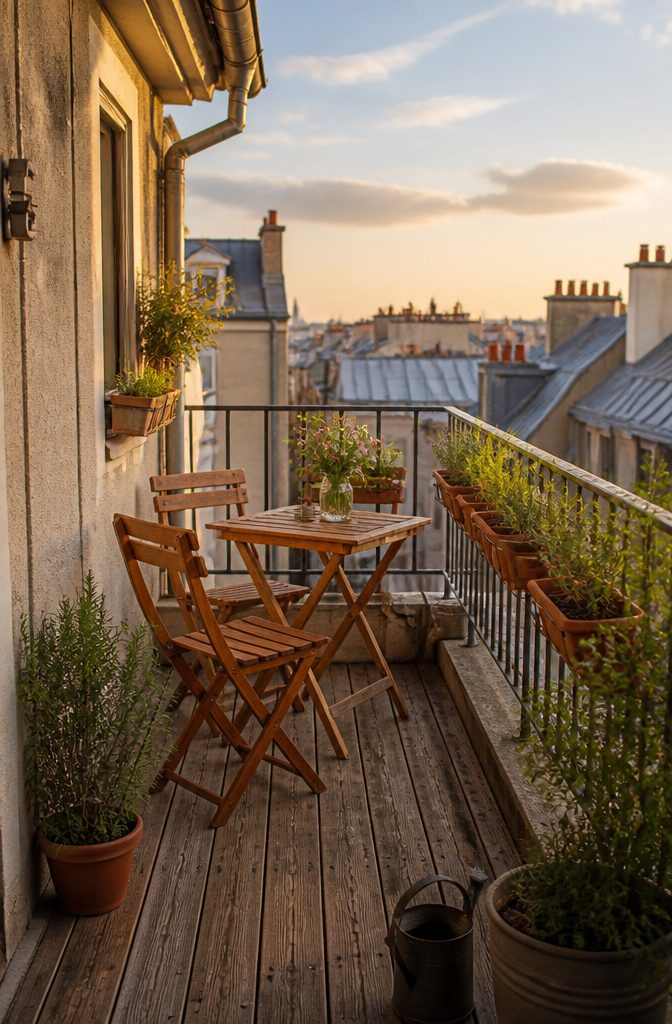
A bistro set with two chairs and a small table is where rustic outdoor dining actually starts for most renters and first-home owners.
Scale changes everything. On a balcony or compact patio, a 24-inch table creates intimacy that a six-seat farmhouse spread never could, and the rustic atmosphere comes from material honesty rather than footprint.
Eucalyptus handles this well. The Fleur set draws from old Adirondack lines with slat-back chairs and a matching side table, all folding flat when storms roll in or winter storage calls.
Solid eucalyptus is naturally water- and weather-resistant, which matters when your "patio" is four feet from the living room window and drying space is nonexistent.
The cushions help, but they are also the compromise. They add comfort on a 45-minute coffee sit, yet they are the first thing to fade or soak through.
For a weekend project and a few hundred dollars, I would rather see someone skip the cushion hunt and budget that toward a slightly thicker eucalyptus seat slat or a second cover.
Two chairs is not a placeholder for a larger set. It is the right configuration for morning light on a narrow balcony, and the rustic feel holds because the proportions stay human.
A bistro table that tries to squeeze in four places looks apologetic. One that admits what it is reads intentional.

Rustic Candle Holders: The rustic lanterns are unique looking and work perfectly with modern farmhouse decor. The distressed wooden tray has a vintage tone and metal wire cage cloche is sturdy.


High Quality Material: Placemats are Made of linen which is soft, reusable, durable and fade-resistant, protecting your table surface from spilled soup and food.
Materials That Last Outside
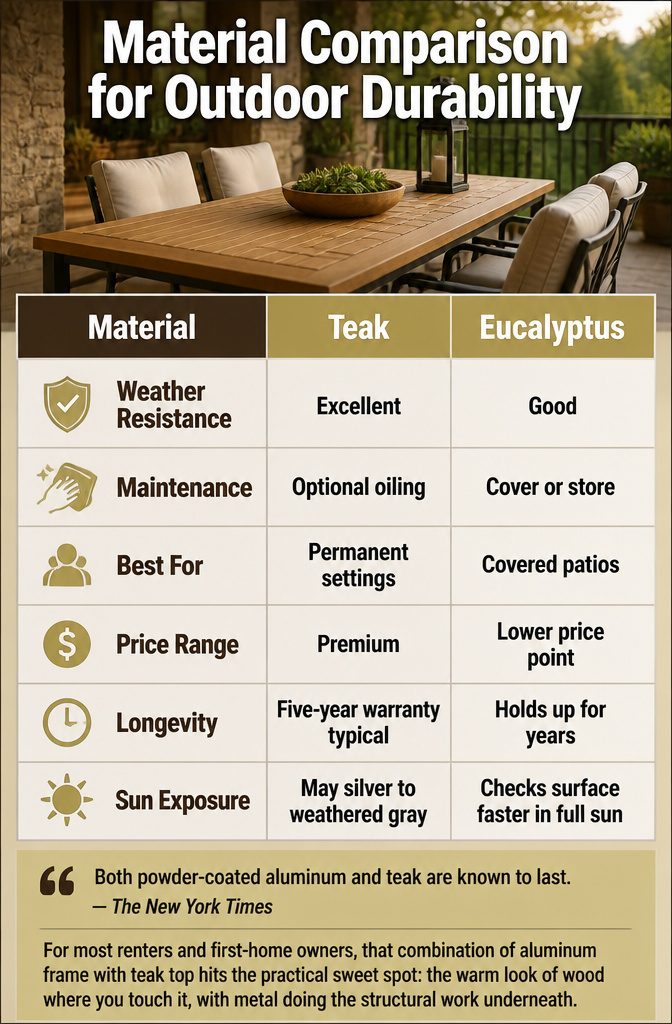
Teak sits at the top of most outdoor furniture lists because the wood contains natural oils that repel water and resist rot without any sealant.
A five-year warranty on a teak tabletop is typical for quality pieces, though the wood will silver to a weathered gray if you don’t oil it annually.
Eucalyptus offers similar water resistance at a lower price point, and slatted designs let rainwater pass through rather than pool.
I’ve seen eucalyptus sets hold up for years on covered porches, though full sun exposure tends to check the surface faster than teak.
Cast aluminum frames, especially powder-coated ones, have been tested through multiple seasons of rain and sun without corrosion. The material is lighter than it looks, which matters when you’re moving chairs off the patio before a storm.
Poly composite, used in sets priced from $1,599 to $2,699, is the newest entry: it mimics wood grain without absorbing moisture and never needs sealing.
| Material | Weather Resistance | Maintenance | Best For |
|---|---|---|---|
| Teak | Excellent natural oil content | Optional oiling to retain color | Permanent settings where longevity matters |
| Eucalyptus | Good water resistance, less UV-stable | Cover or store in harsh seasons | Covered patios, budget-conscious buyers |
| Cast aluminum | Rust-proof, fade-resistant | Wipe clean | Frequent movers, coastal humidity |
| Poly composite | Impervious to moisture and rot | Soap and water | Zero-maintenance priority |
The New York Times tested an Outer Teak + Aluminum Outdoor Expandable Dining Table since 2023 and found the all-aluminum version survived seasons of rain and sun without corrosion.
Both powder-coated aluminum and teak are known to last.
For most renters and first-home owners, that combination of aluminum frame with teak top hits the practical sweet spot: the warm look of wood where you touch it, with metal doing the structural work underneath.

ELEGANT LUNA DINING CHAIR: This timeless teak armless chair elevates any outdoor dining space. Designed with a gently angled back, slatted seat, and supportive armrests, it invites relaxed gatherings around the patio table.

Easy Assembly & 24/7 Customer Support: We include instructions, tools and hardware in the package. The simple structure of this living room chair allows for a straightforward setup. If you encounter any issues, please visit our website christopherknighthomes.com or feel free to reach out to us at [email protected]

Natural Teak Wood Elegance: Crafted from solid teak wood, the outdoor dining chair features exceptional strength. Meticulously finished to a beautiful and smooth touch, it adds a touch of natural elegance to your space. Please regularly apply wood oil (not included) for optimal care.
Rustic Design Style
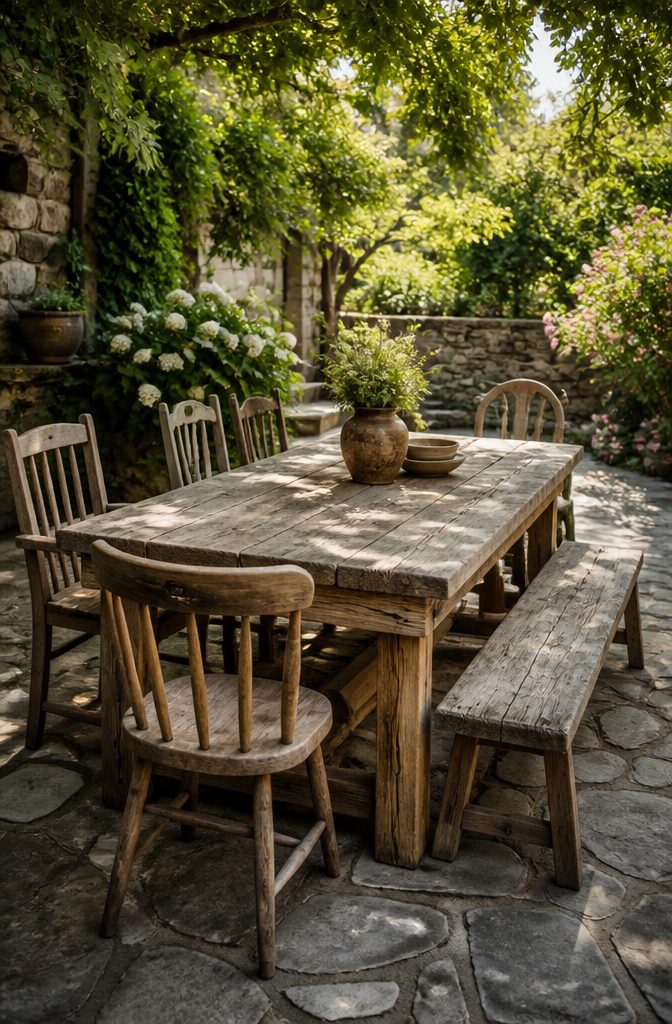
A rustic outdoor dining setting is, at its core, a space built for eating outside without pretending to be anything fancier than that.
The word gets stretched thin by marketing, so it helps to know what you are actually looking at.
Rustic means simple construction, visible joinery or grain, and a finish that tolerates weather instead of fighting it. The atmosphere it aims for is relaxed enough that no one worries about a water ring.
Farmhouse aesthetics have become the dominant expression, and the reliable markers are straightforward. Look for thick legs on tables, bench seating rather than matched chairs, and wood left to darken or silver naturally.
The Amish-built pieces from Keystone hit this directly, with red cedar tables at $599 and backed bench sets at $1,199, though the style has also been translated into poly composite versions that mimic the look without the maintenance.
Spanish-style and hacienda courtyards are sometimes grouped under rustic too, which is fair enough, but they read heavier, with more iron and carved detail.
For most backyards and patios, farmhouse is the version that actually shows up in stock and fits a weekend budget.
The distinction that matters is between rustic as a material choice and rustic as a performance category. A farmhouse table in unfinished cedar is rustic in substance.
One in poly composite with a wood-grain texture is rustic in appearance only, and that trade-off is where most buyers land after they have lived with real wood through two wet seasons.

[11-PIECE SET] This set includes 10 armchairs and 1 rectangular extendable table. This set is ideal for both indoors and patio and will make your outdoors an elegant space to enjoy with family and friends.
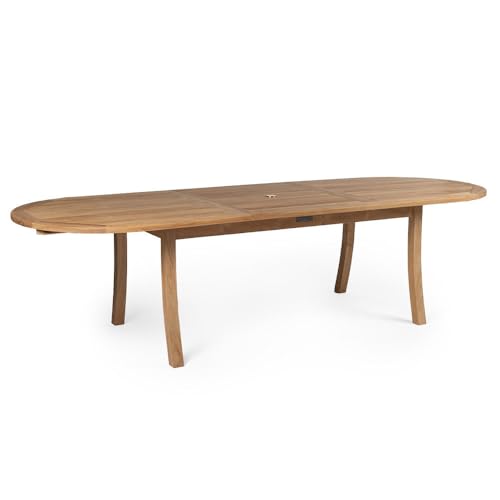
SAGE GRADE A TEAK DINING TABLE: This Grade A Teak dining table features hidden butterfly leaf extensions, expanding from 82.5" to 115" to seat 6-8 people comfortably.
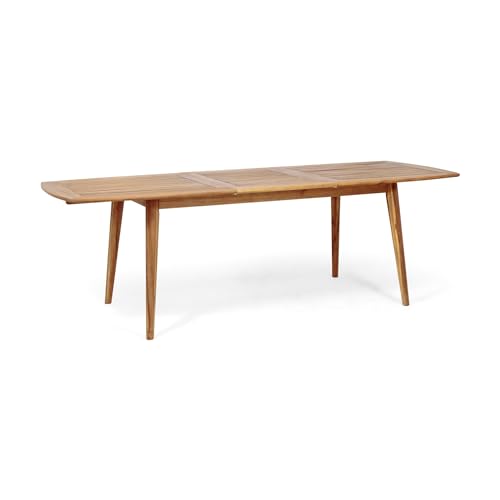
ACACIA WOOD: Made with acacia wood that brings a sleek and exotic look to your space, this durable hardwood naturally withstands outdoor elements and will not darken over time. Acacia wood is perfect as a solid, heavy frame that resists wear and tear.
Comfort and Functionality
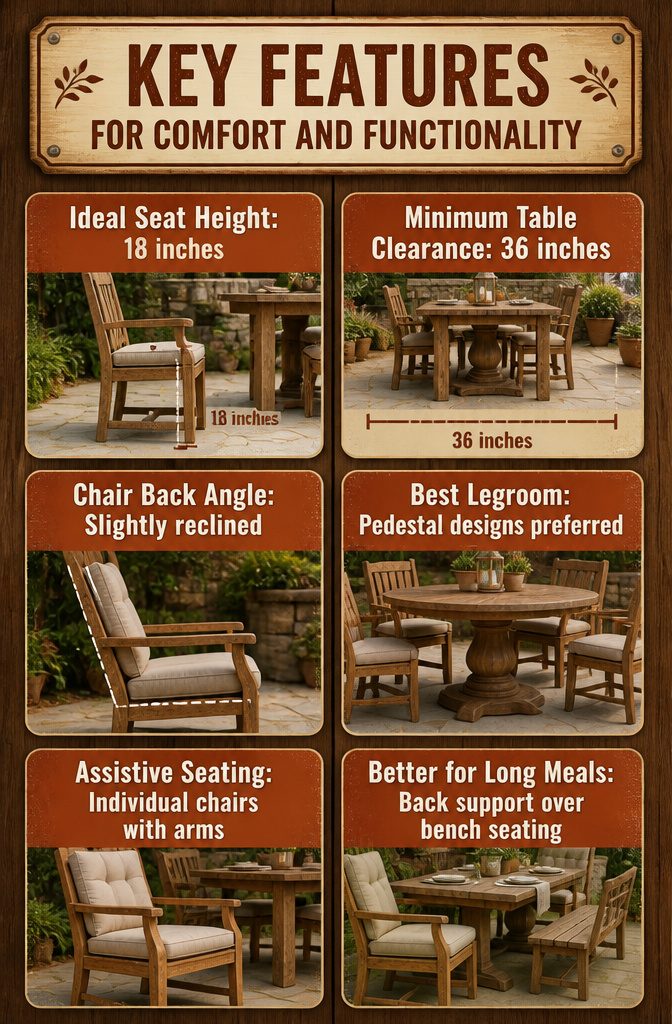
A rustic outdoor dining setting only earns its keep if people actually want to sit through a meal in it.
Cushioned seating helps, but the real test is whether someone can lean back naturally without the chair tipping or their shoulders crowding the person beside them.
Seat height around 18 inches and a back angle that reclines slightly tend to suit most adults for longer than a quick sandwich.
Table height and legroom matter just as much as the chair itself. A trestle base reads farmhouse, yet its supports can cut into knee space for anyone at the ends.
Pedestal designs free up legroom around the edge, while corner legs help define individual seating positions but need checking against chair arm height so everything tucks in as intended.
36 inches of clearance around the table edge is the working minimum for pulling out a chair and walking behind a seated guest.
Less than that, and serving trays become an awkward shuffle. More space is needed along busy routes to the kitchen or past doors and steps.
A bench that works for a quick lunch may not give the back support someone wants for a leisurely dinner, and for households with older adults, stable individual seating with arms tends to outperform benches that require stepping around table supports.

VERSATILE 3 PIECE DINING SET: Ideal for apartments, breakfast nooks, patios, game rooms, home offices & more

[Unmatched Durability]: Crafted from premium solid eucalyptus grandis wood dining table materials, this 7 piece dining table set naturally resists water & weather changes, making it the ideal outdoor patio furniture set for year-round use - Perfect as a centerpiece for your backyard furniture collection

[11-PIECE SET] This set includes 10 high quality solid wood dining chairs and 1 rectangular extendable table. This set is ideal for both indoors and outdoors and will make your home ready to enjoy with family and friends.
Maintenance by Material
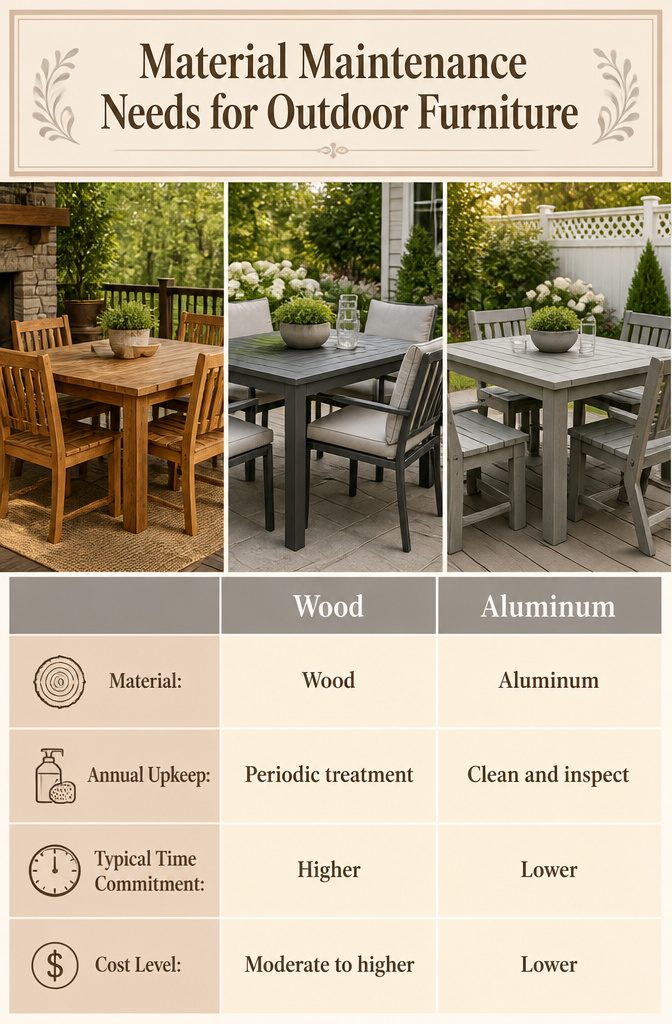
Wood demands the most attention in a rustic outdoor dining setting, and the species and finish decide how much.
Some surfaces are meant to age and shift color; others need periodic treatment to keep their original look. That difference matters when you’re budgeting time each spring.
Aluminum and recycled plastic lumber lean the other way. Aluminum is lighter to move and easier to reposition when you’re cleaning or rearranging, while poly composite carries color through the material itself and skips the refinishing cycle entirely.
Neither is truly maintenance-free, but the routine is simpler: prompt wipe-downs, keeping crumbs out of gaps, checking hardware.
| Material | Annual Upkeep | Typical Time Commitment | Cost Level |
|---|---|---|---|
| Wood | Periodic treatment or refinishing | Higher | Moderate to higher |
| Aluminum | Clean and inspect protective finish | Lower | Lower |
| Poly composite | Basic cleaning only | Lowest | Lower |
For renters or anyone who’d rather spend Saturday eating outside than sanding it, aluminum or poly composite wins.
Warmth is what you give up: wood feels richer under your hands and weathers into character faster, but only if you stay on top of it.

Durable Powder Coated Frame: Our frame features a high-quality powder technology; the frame boasts exceptional durability and weather resistance. The protective coating effectively repels fading and scratches, keeping the frame in pristine condition even after long-term exposure to outdoor harsh environments like sun, rain, and dust.

OUTDOOR TABLE COVER 88"L x 62"W: Designed to fit most rectangular or oval patio dining sets seating 4-6 chairs; measure with chair backs pushed in and include the distance they jut out from the table

All Weather Patio Furniture Set: This 7-Piece compact outdoor dining set features a sleek design, including 1 rectangulartable steel slat and 6 textilene chairs (umbrella not included) . It perfect for enjoying leisurely outdoor moments on patios, gardens, or baconies.
Frequently Asked Questions
What is the best material for outdoor dining furniture?
Teak, cast aluminum, and poly composite are the standout choices for a rustic outdoor dining setting that lasts. Teak lasts 15 to 20 years with its natural oils fighting rot and water damage.
Cast aluminum resists rust without covers and stays light enough to move. Poly composite skips sealing and staining entirely, needing only soap and water a few times per season.
How do I maintain my outdoor dining set?
Maintenance depends entirely on what your set is made of. Wood needs the most attention, with teak requiring optional yearly oiling to keep its honey tone and eucalyptus doing better stored under cover in winter.
Aluminum and poly composite stay low-effort, aluminum needing just a wipe-down and poly composite handling a hose rinse. Prompt cleaning of food residue and checking hardware periodically helps every material last longer.
What size dining table do I need for my patio?
Allow 36 inches of clearance around every table edge as the working minimum for pulling out chairs and walking behind seated guests. A 48-inch round teak table seats four and extends to six with leaves.
For small balconies, a 24-inch bistro table creates intimacy without crowding. Scale the table to the space so the rustic atmosphere comes from material honesty, not from squeezing in too many seats.