The ideas below run from paint and hardware updates to custom builds, with most landing somewhere you can finish in a weekend.
What decides which one is yours is whether your kitchen already has enough perimeter storage to sacrifice the cabinet volume that legs cost you, or whether every cubic foot behind a toekick counts.
Turned legs from Osborne Wood Products work well for furniture-style builds, and the 36-inch kitchen height is the detail that separates an actual workstation from a dining table pressed into service.
1. Weathered Stone Floors
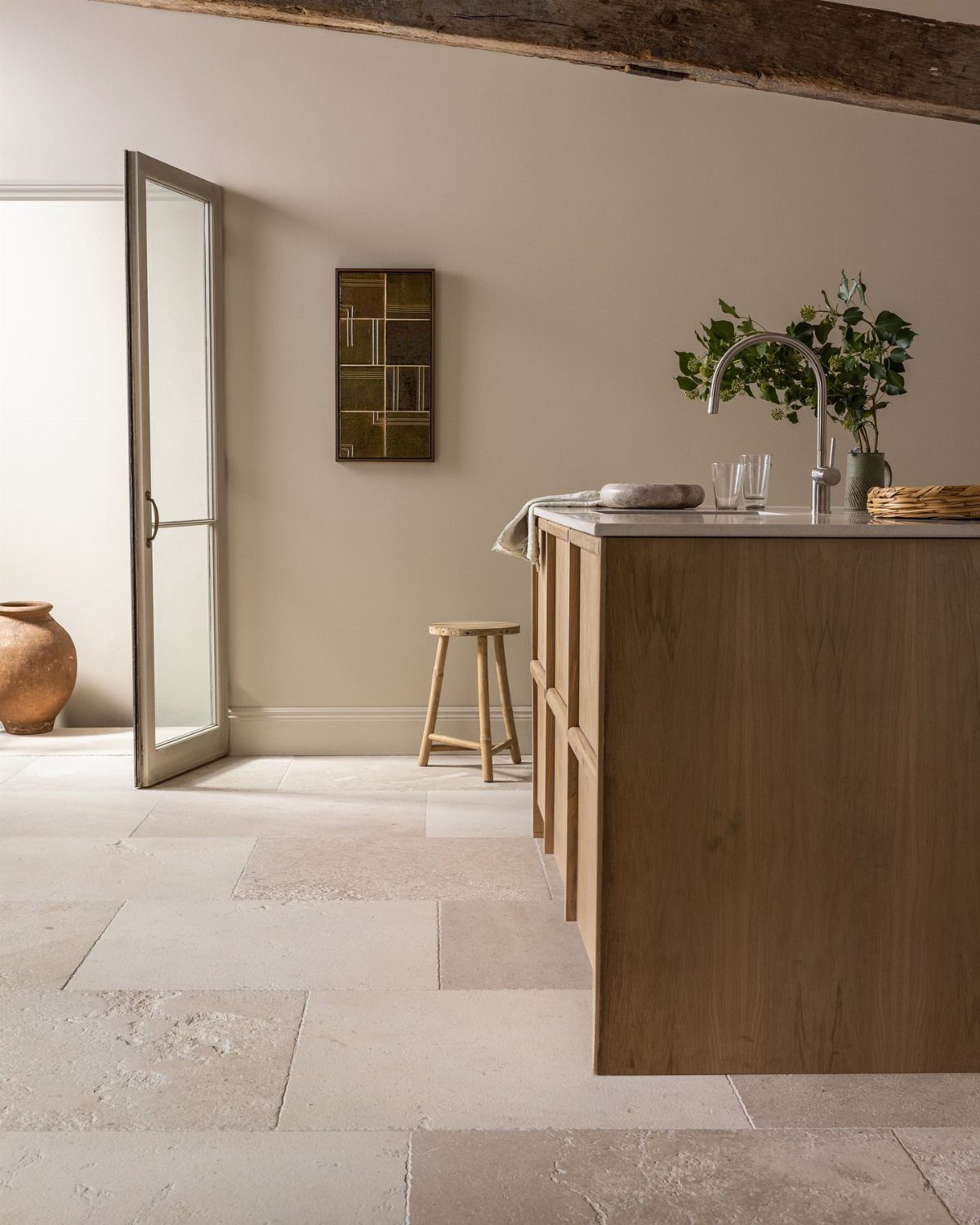
A weathered stone floor gives a kitchen the uneven, lived-in character that tile or polished concrete cannot replicate. The patina comes from years of wear, so new stone needs hand-chiseling or tumbling to look convincing.
For a budget version, porcelain tiles with a tumbled finish cost far less installed than real reclaimed limestone, and the visual difference is smaller than the price gap suggests.
I would spend the savings on wider grout joints in a soft gray, which does more for the effect than the stone grade itself. The floor reads cold underfoot, so a woven runner along the island run helps.

【French Country & Modern Farmhouse Style】 Designed for 36"-40" high kitchen islands and counters, these 27" bar stools bring timeless charm to your kitchen island, home bar, or breakfast nook.

【French Country & Modern Farmhouse Style】 Designed for 36"-40" high kitchen islands and counters, these 27" bar stools bring timeless charm to your kitchen island, home bar, or breakfast nook.

【French Country & Modern Farmhouse Style】 Designed for 36"-40" high kitchen islands and counters, these 27" bar stools bring timeless charm to your kitchen island, home bar, or breakfast nook.
2. Exposed Wood Beams
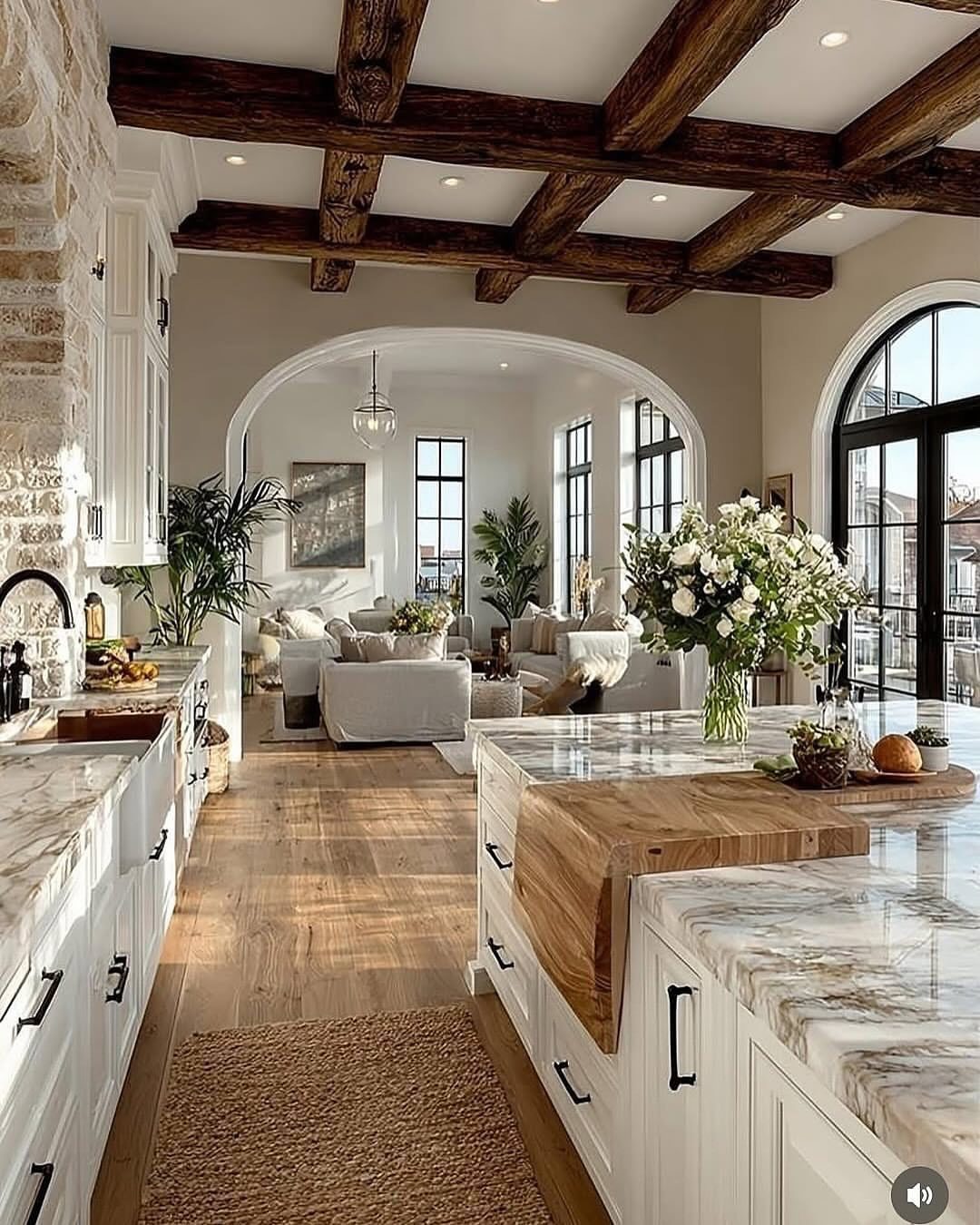
Dark beams against a white ceiling do the heavy lifting in a French farmhouse kitchen, especially when the rest of the room stays pale. They draw the eye up and break up what would otherwise be a blank plane.
Faux beams in hollow box construction are light enough for one person to handle, against solid timber that needs structural assessment before you retrofit into existing ceiling joists.
I prefer real wood for kitchens with a vaulted ceiling where the beam ends stay visible; in a flat ceiling with standard height, a good hollow beam with careful end caps is indistinguishable.
Stain them darker than the floor to avoid a matchy, showroom look.

Durable Engineered Wood with Marble-Pattern Veneer Finish:The countertop features an engineered wood base with a marble-pattern veneer, giving the appearance of natural stone while ensuring durability and ease of maintenance. The laminate finish enhances practicality, offering resistance to wear and easy cleaning.

Integrated LED Light & Power Outlet: Built-in LED lighting and a power outlet brighten cabinet interiors and support small kitchen appliances. A rare feature among most mobile storage islands - convenience and ambiance combined.

DURABLE AND STURDY CONSTRUCTION Constructed with high-quality materials, the Maykoosh Kitchen Island ensures long-lasting durability and stability. The robust build can withstand daily use and offers reliable support for all your kitchen tasks. Invest in a kitchen cart that combines strength with style.
3. Honed Marble Countertops
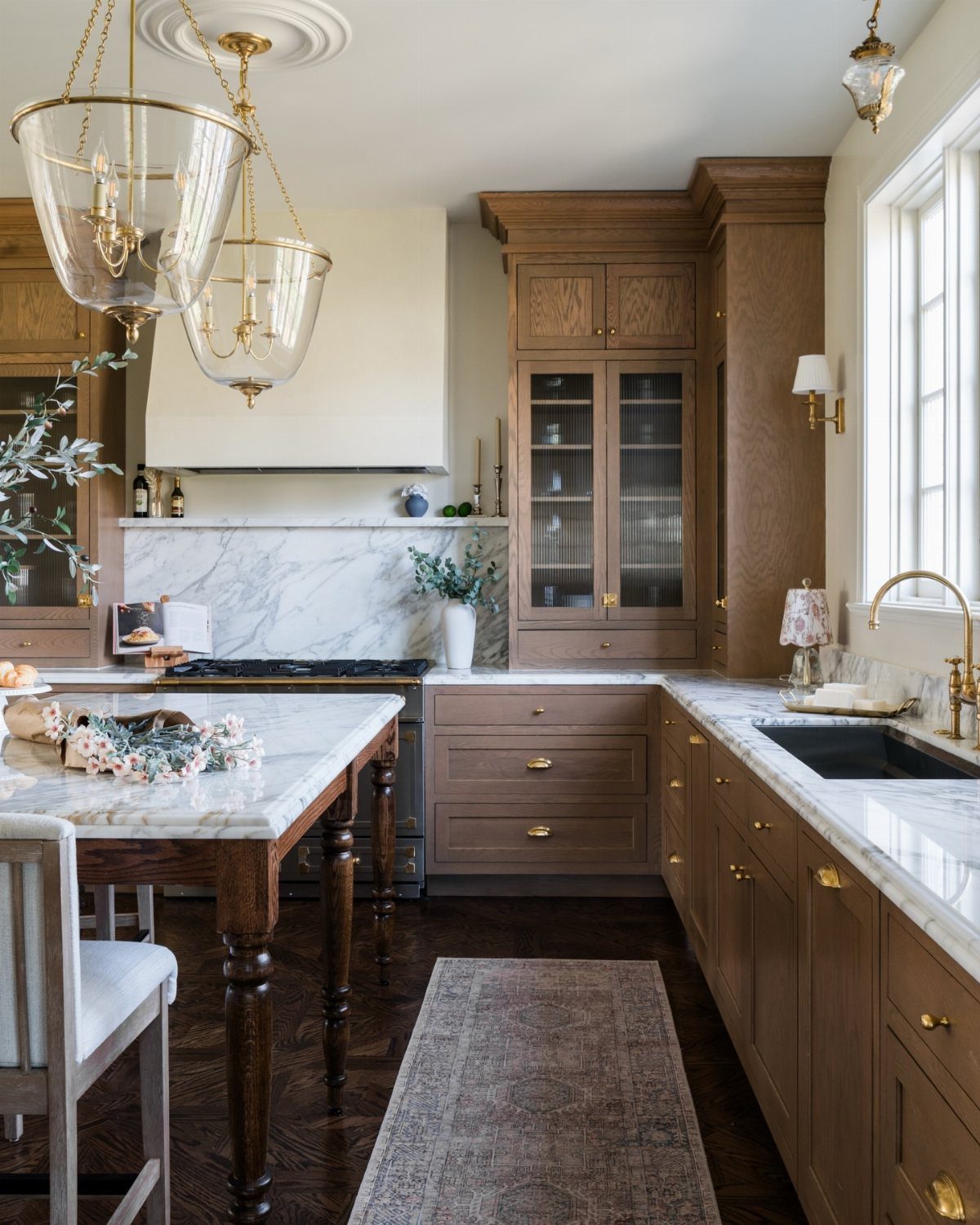
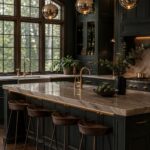
Honed marble, with its satin rather than polished finish, suits a French farmhouse island because it reads older and hides the etching that lemon juice or red wine will cause within the first month.
The surface is softer than granite, so cutting directly on it leaves marks; I treat that as acceptable patina, not damage.
I usually specify a simple ogee edge on an island and keep the perimeter straight eased, which saves fabrication cost where it matters less. Seal it annually; the honed surface absorbs more readily than polished.

Comprehensive Kitchen Organization - Featuring a complete storage system with both a wall-mounted cupboard and a floor-standing sideboard, this 63-inch set maximizes your kitchen's horizontal and vertical capacity to keep appliances and pantry items neatly categorized
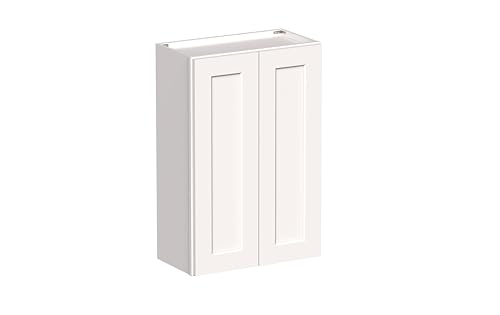
Bright, Simple, and Modern: Our most popular style. Transfer your space into a modern haven, where the clean lines and bright finish create a fresh and inviting atmosphere for your home. Shaker's district design is characterized by clean and simple lines making it a perfect choice for those looking to achieve a clean and uncluttered look. The absence of harsh lines in the door design makes it suitable for traditional and modern design aesthetics.

4. Traditional Cabinetry
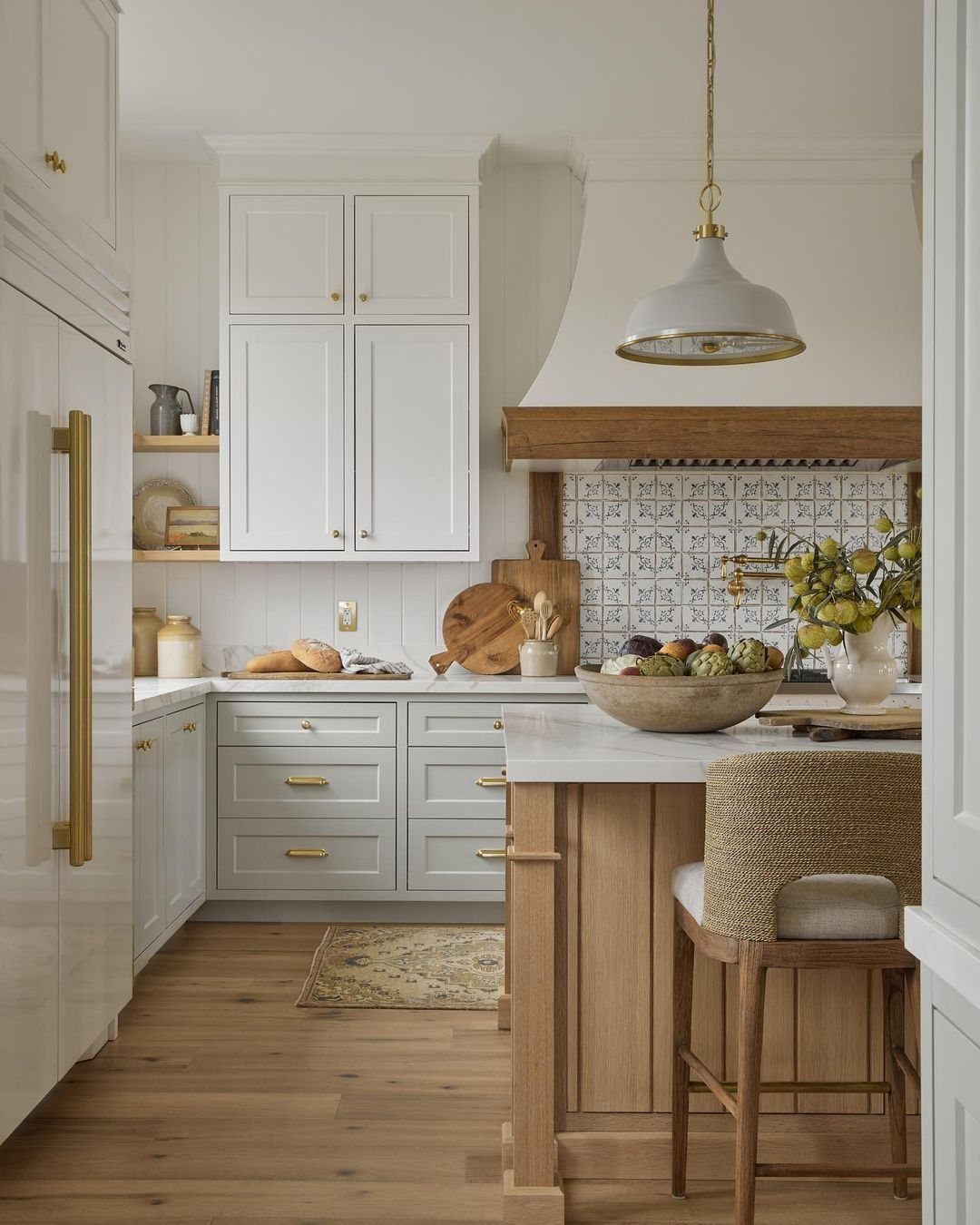
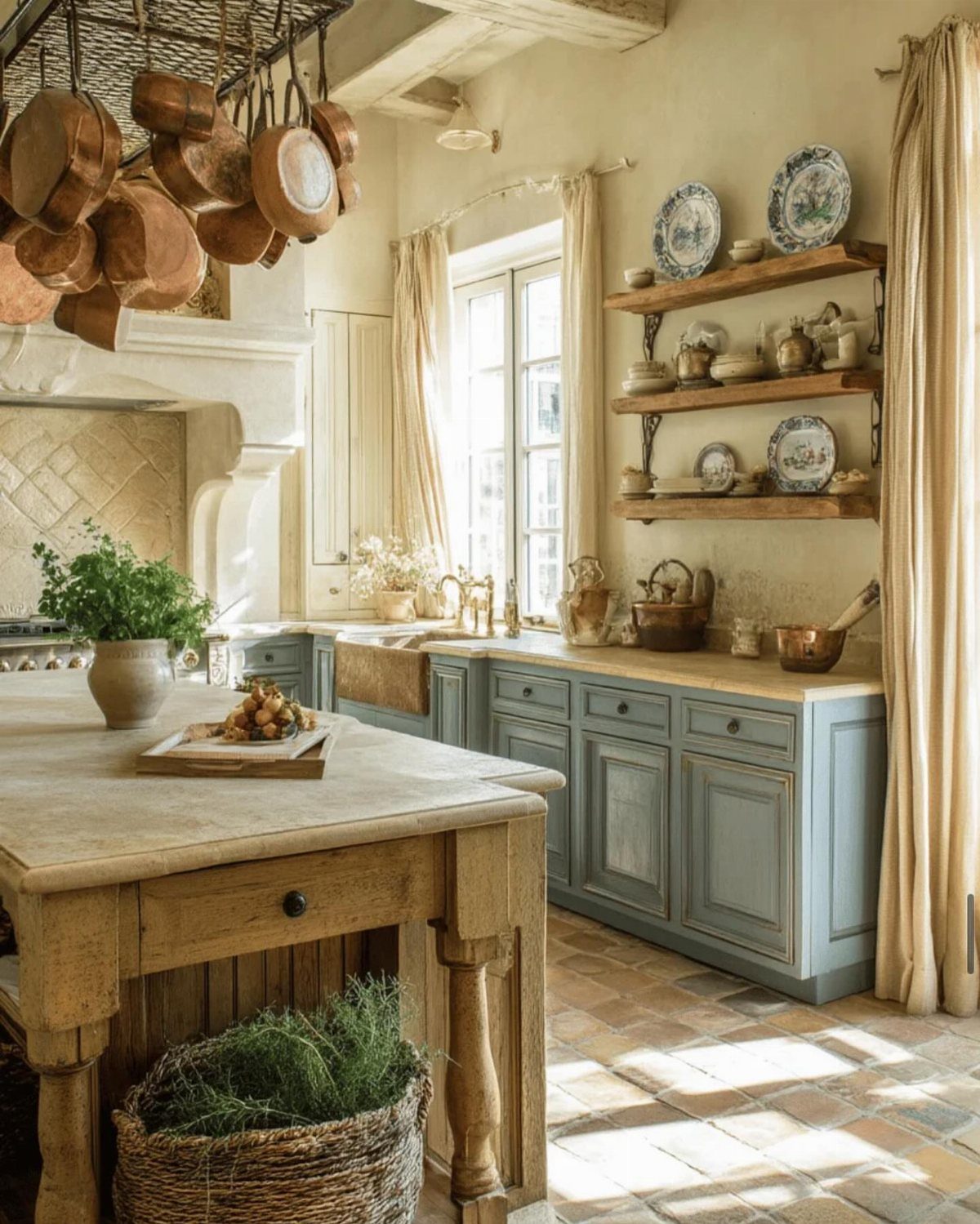
White uppers with a muted lower color, like the soft grey visible here, keep a French farmhouse kitchen from feeling like a period set. The two-tone approach also lets you spend more on the island, which guests actually notice.
Inset cabinet doors with beaded frames read more authentic than overlay, but they cost noticeably more and need precise installation in square openings.
For a first home on a tight budget, I would put that money toward solid wood door fronts on a standard frameless box and paint everything in a matte lacquer.
The difference in daily use is minimal; the difference in price pays for the range hood.

Complete 8-foot Coverage for Versatile Installations: this set includes two 48-inch beams, offering a combined 8 feet of coverage; Ideal for ceiling spans, entryways, hallways, or accent walls, you can install them side by side for a continuous run or use them separately for creative, staggered layouts; This flexibility allows you to tailor the faux wood beams for ceiling projects to fit various architectural spaces without needing custom sizing

Item Description: Heritage Timber Faux Wood Mena 3-Sided (U-Beam) Beam 5 1/2"W x 7 1/2"H x 48"L, Natural White Oak Finish

Item Description: Heritage Timber Salvaged Timber Faux Wood Beam, 3-Sided (U-Beam), 3 1/2"W x 3 1/2"H x 48"L, Natural White Oak Finish
5. Vintage Furniture-style Island
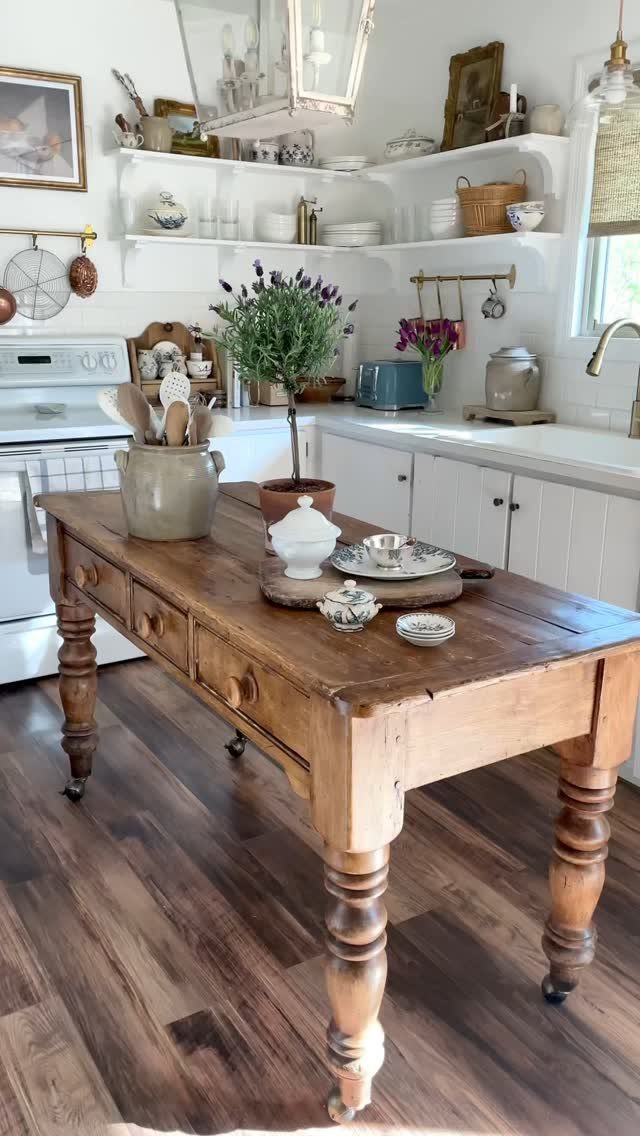
An island built like a nineteenth-century work table, with turned legs and drawers rather than cabinet boxes, gives a kitchen its center of gravity without looking installed. The visible legs create negative space that makes a small room feel larger.
I have had clients source actual antique farm tables, but 30-inch height is standard dining, and kitchen work wants 36 inches.
Raising an antique usually ruins the proportions. A custom build with turned legs from a supplier like Osborne Wood Products, set to kitchen height with a thick top, runs into the thousands in paint-grade hardwood.
The drawer stacks on each end are the detail that sells the furniture illusion; a single false drawer front on a cabinet box does not.

Grey brick inspired peel and stick vinyl floor tile

PREMIUM HANDCRAFTED DESIGN: Each tile is made from carefully selected river stones, hand sliced to achieve a unique pebble finish. Perfect for enhancing bathroom decor, home decor, and wall decor, these tiles bring timeless elegance and quality craftsmanship to various spaces.

Designed to resemble authentic stone. Tile designs vary for a unique look
6. Pot Racks
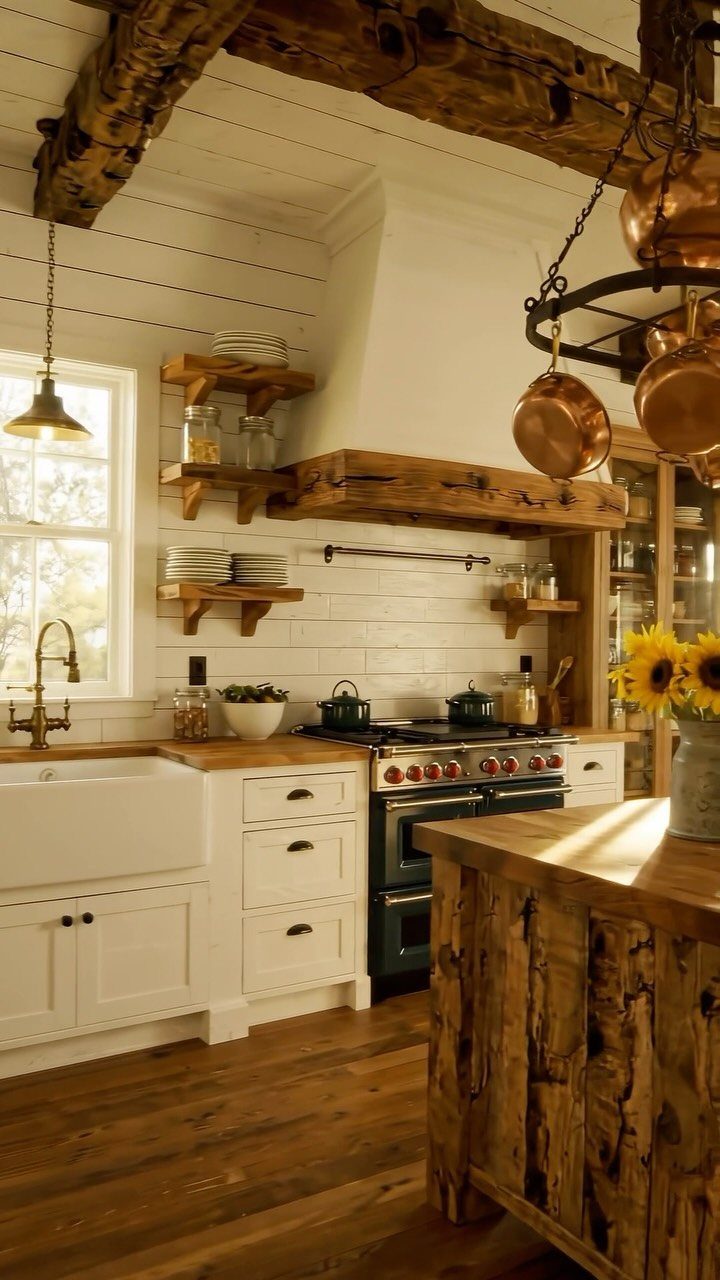
A copper pot rack hanging from a beam turns cookware into the room’s primary decoration, which works when the pots themselves are worth looking at. Enamel cast iron or hand-hammered copper earns its place; mismatched nonstick does not.
For ceiling mounting, a beam or solid blocking is non-negotiable; a typical rack holds serious weight loaded, and drywall anchors will pull through.
I prefer a circular or oval form for a rectangular island, which softens the geometry, but a straight rail reads more butcher shop and less bistro.
Chain length matters: enough clearance above the counter leaves headroom for most cooks, but measure against the tallest user in the house. A rack too high becomes unreachable; too low, and the sight line across the kitchen breaks.


【ELEGANT FRENCH COUNTRY AESTHETIC & FRENCH BISTRO CHARM】 Bring a touch of timeless sophistication to your home with these vintage farmhouse bar stools. Featuring a classic handwoven rattan backrest paired with elegant beige linen upholstery, these french country counter stools seamlessly blend rustic charm with modern refinement. Whether it's a morning coffee or a cozy family dinner, these farmhouse bar stools add a chic, upscale vibe to any kitchen island or dining space.

7. Two-tone Island
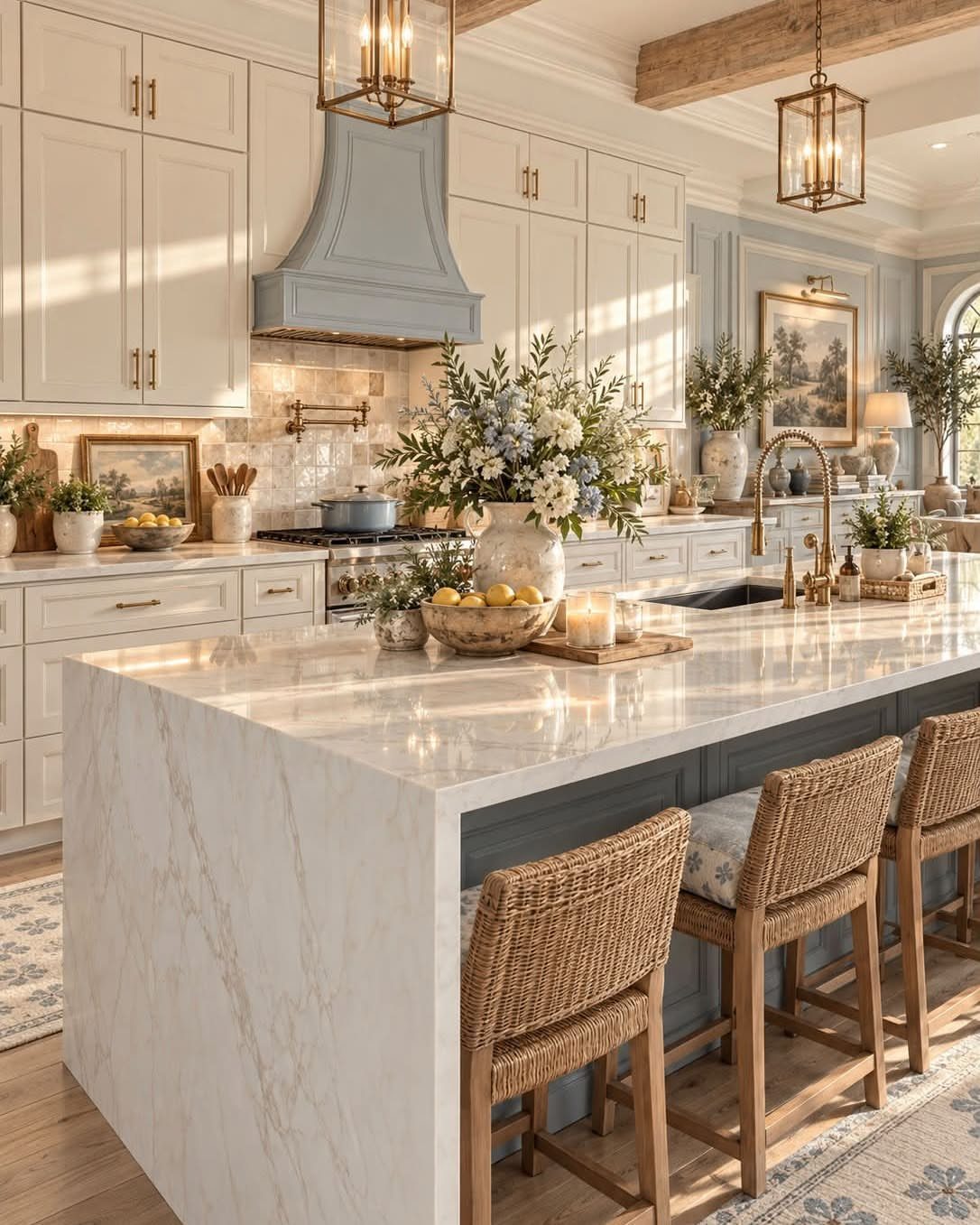
A blue-grey base with a white marble waterfall top gives an island the presence of furniture rather than cabinetry. The waterfall drop at the ends hides the seam and reads as one solid piece.
I like this pairing because the dark base grounds the room while the light top keeps the work surface bright for prep.
Woven stools repeat the warmth without competing. For a budget version, paint-grade hardwood in a custom blue and a laminate waterfall edge in white marble pattern costs a fraction and reads nearly as well from across the room.

ELEGANT DESIGN The kitchen island boasts a classic white finish complemented by a white faux marble built-up countertop. The oversized genuine metal hardware in a brushed nickel finish and beaded molding accents add a touch of class to any home.

Please Note: This kitchen island table will be delivered in 2 separate packages. Their arrival time may be different, thank you for your patience
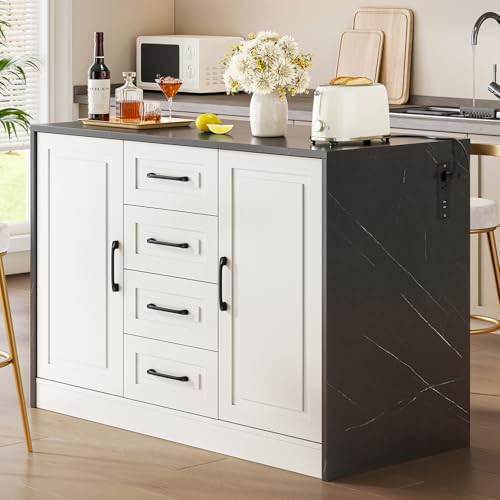
Please Note: This kitchen island table will be delivered in 2 separate packages. Their arrival time may be different, thank you for your patience
8. Island with Seating
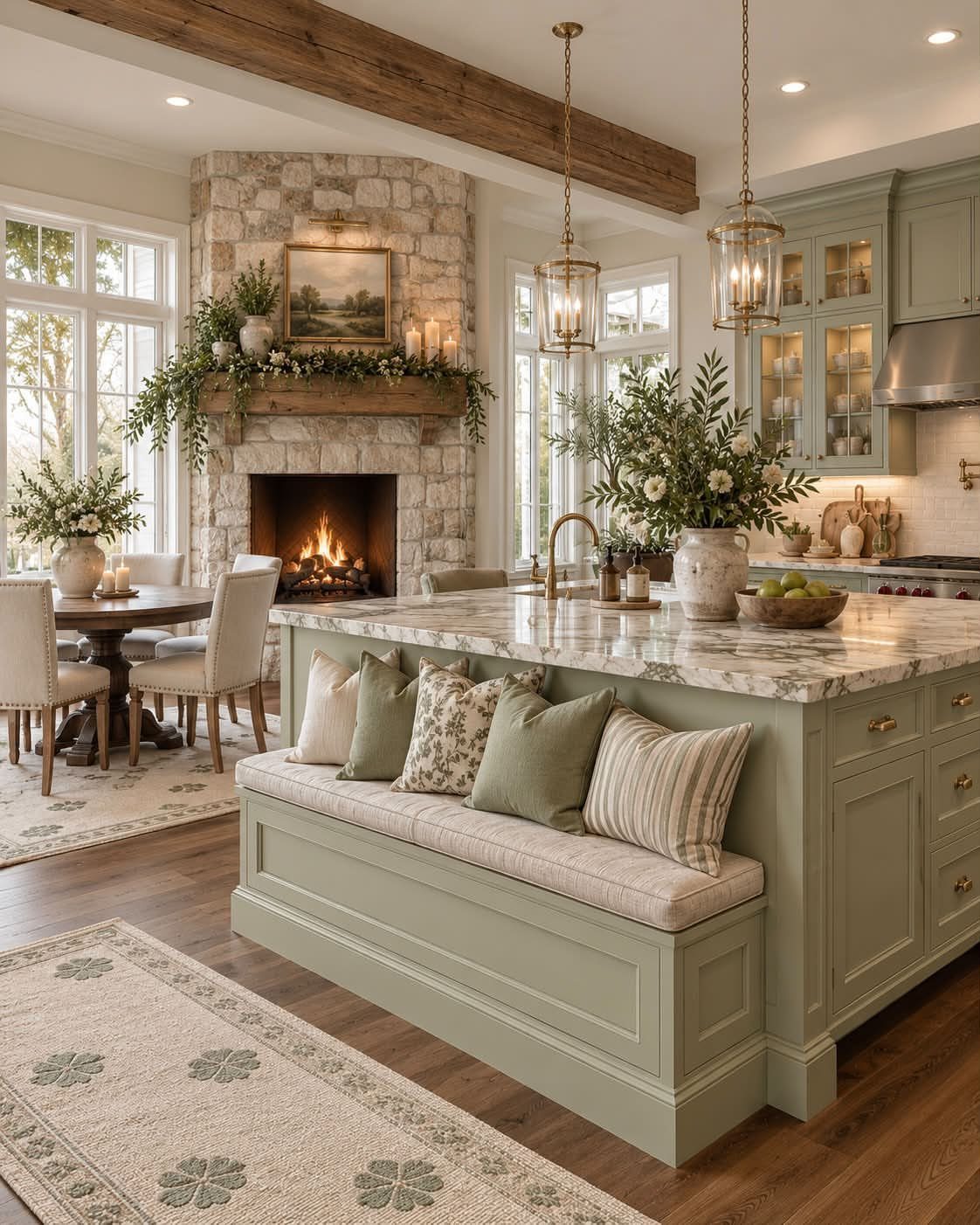
A built-in bench along one side of an island turns it into a daily dining spot instead of just a place to chop vegetables. The cushion softens the hard surfaces that dominate most kitchens.
This works best when the bench runs the full length and the overhang hits at least 15 inches for knee clearance.
I would specify a performance fabric in a tone slightly darker than the island paint; sage green like this hides the scuffs that accumulate at sitting height.
A stone fireplace nearby, as visible here, makes the nook feel intentional rather than squeezed in.

Provides ample space for morning preparations. Enhanced resistance to cracking, warping and moisture.

Provides ample space for morning preparations. Enhanced resistance to cracking, warping and moisture. Concealed European style 6-way adjustable hinges with a soft-close feature. UV coated natural plywood finish interior. .

Provides ample space for morning preparations. Enhanced resistance to cracking, warping and moisture.
9. Farmhouse Sink
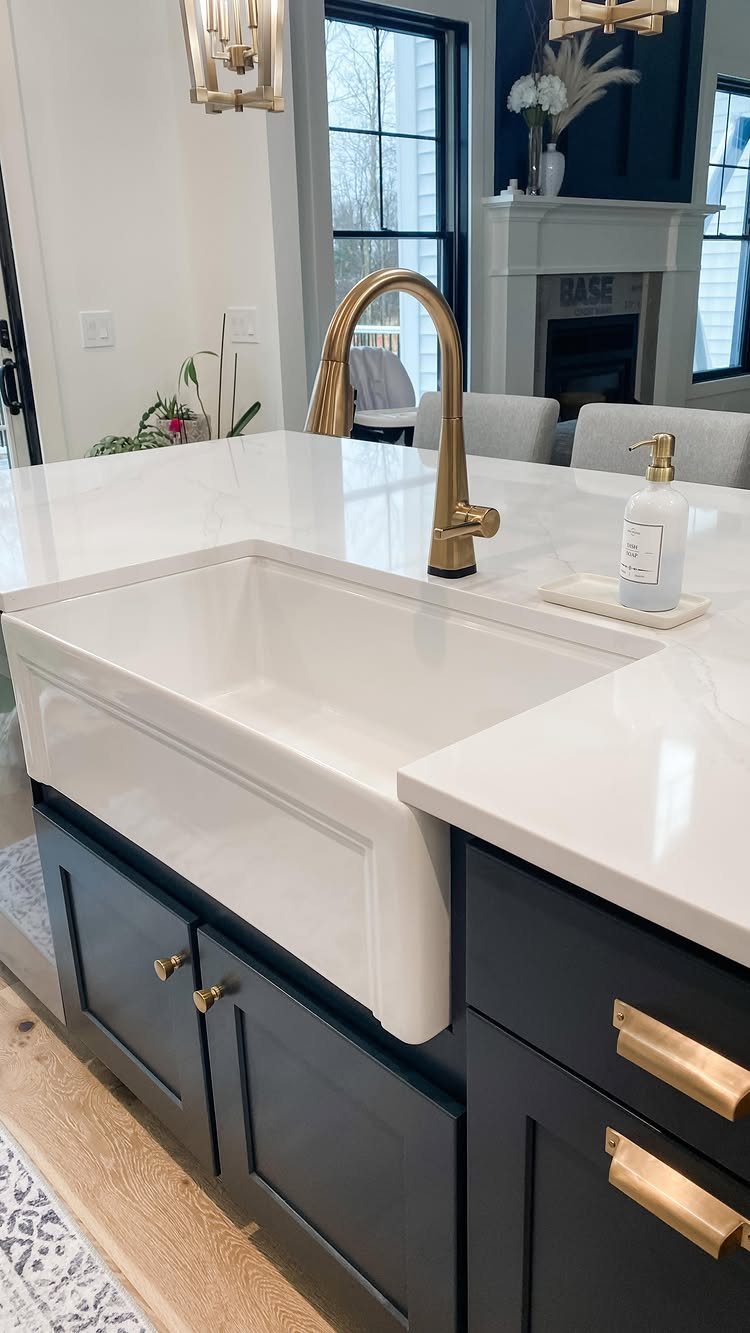
An apron-front sink in white porcelain with a brass faucet against dark cabinetry creates the kind of contrast that draws the eye immediately. The exposed front panel is the detail that separates it from an undermount.
Fireclay costs more than cast iron but resists chipping and keeps the gloss longer; for a first home, cast iron with enamel finish is the practical choice.
The base cabinet needs reinforcement for the weight, and the front apron requires a custom or modified cabinet box. I prefer single-bowl in an island this size; the double-bowl look is traditional but splits the usable space awkwardly.
A farmhouse sink, with its generous depth and bold apron, is a French country kitchen must-have. Originally designed for washing dishes without running water, the farmhouse sink still facilitates cleaning even with modern plumbing.

Item Description: Heritage Timber Faux Wood Mena 3-Sided (U-Beam) Beam 3 1/2"W x 3 1/2"H x 48"L, Primed Tan Finish

Dimensions: 3-1/2 in. Width x 5-1/2 in. Height x 96 in. Length

Dimensions: 5-1/2 in. Width x 5-1/2 in. Height x 96 in. Length
10. Open Shelving
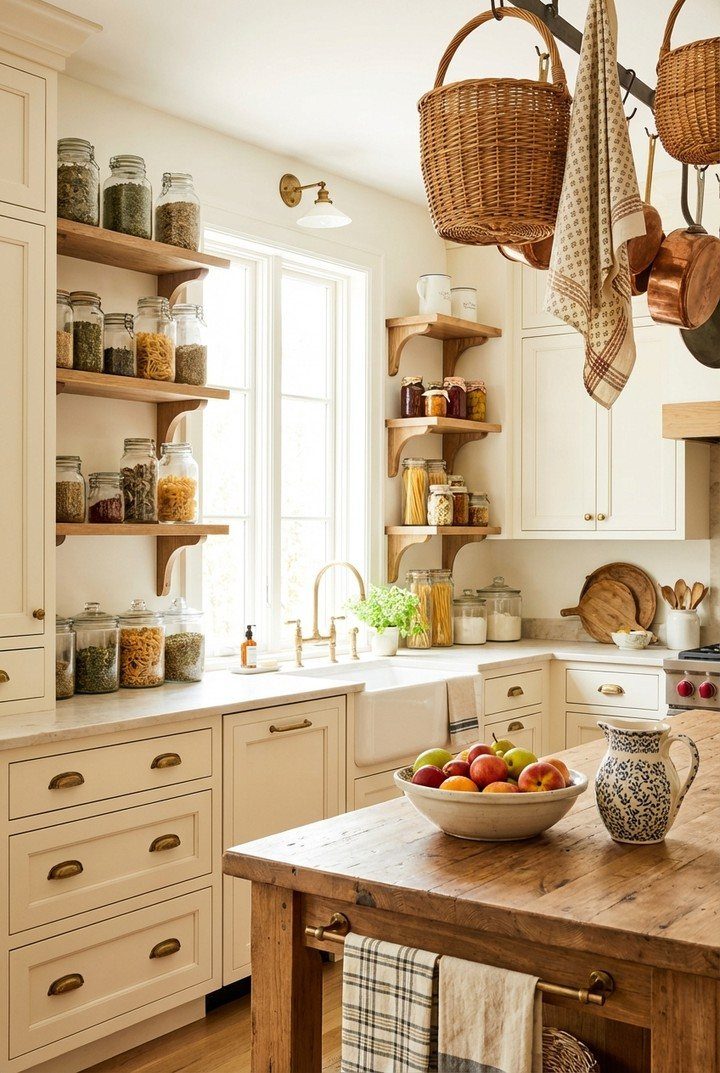
Open shelves in warm wood against white cabinets break up wall runs and give you a place to store what you actually use daily. Glass jars with dry goods read as decoration and stay accessible.
I install shelves with enough vertical space between them for tall jars to stand without crowding, but not so much that the wall starts to feel empty.
The wood tone should relate to the island but not match it exactly; too much coordination feels staged. Copper pots on a rack above, as visible here, extend the same warm metal story upward without cluttering the shelf plane.
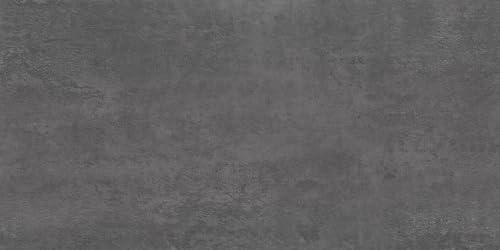
QUARRY DESIGN - A Dark Grey colorway; highlights the Quarry design.

𝗣𝗲𝗯𝗯𝗹𝗲 𝗧𝗶𝗹𝗲 - SUNWINGS pebble mosaic tiles are made from recycled glass. 10.6" x 10.6" x 0.2" for each piece, 1pc=0.79 sq. ft., 10pcs=7.9 sq. ft. The chip size is approximately 1 to 2 inches. Please measure your space before installation and verify the color upon receipt. We recommend purchasing a minimum of 10% overage to account for cuts and pattern matching.

[Mesh Backing] -The pebble tile uses safe glue attached to a sturdy mesh backing, easy to cut, interlocking design for easy seamless installation.
11. Dark Stone Countertop Island
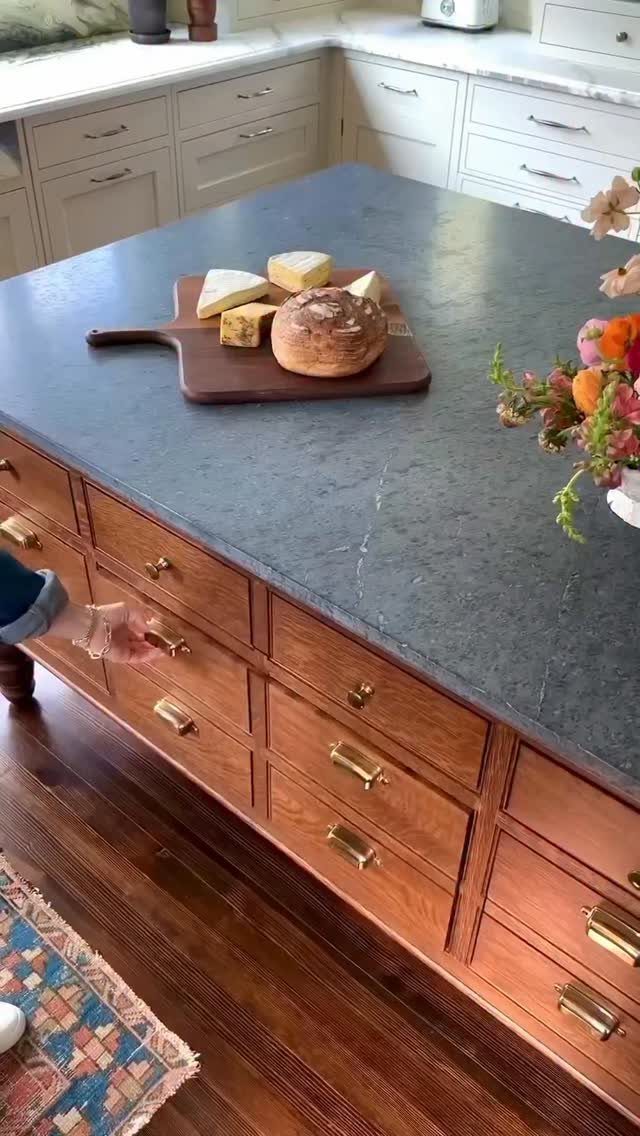
Dark grey stone on a natural wood base with brass handles gives an island the weight of a built-in piece. The stone reads as solid and cool; the wood keeps it from feeling institutional.
I specify soapstone or honed granite in this tone; polished finishes show every fingerprint and water spot. The drawer stacks with brass pulls are the detail that elevates it past a basic build.
For maintenance, dark stone hides crumbs and scratches better than light, but it shows dust and flour immediately. A quick daily wipe with a microfiber cloth is the habit that keeps it presentable.
12. Rustic Wood Island with Butcher Block
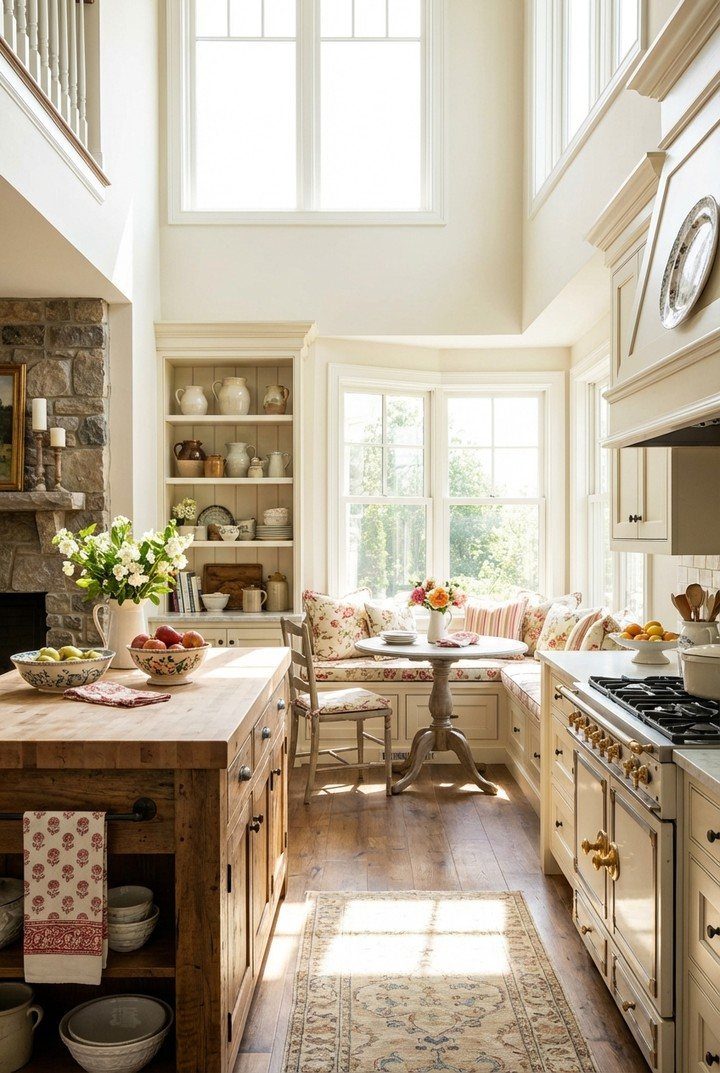
A thick butcher block top on a rustic wood base brings warmth that stone or laminate cannot match. The grain and color variation make the island feel found rather than fabricated.
End-grain maple is the hardest wearing for actual cutting; edge-grain costs less and suits kitchens where the block is mostly for show. I treat mine with mineral oil monthly and sand out knife marks annually.
The cream stove nearby, as visible here, is a pairing I like: the pale appliance keeps the room from feeling like a wood box. Built-in bench seating in the same tone extends the material story without repeating the exact form.
13. Light Blue Kitchen Island
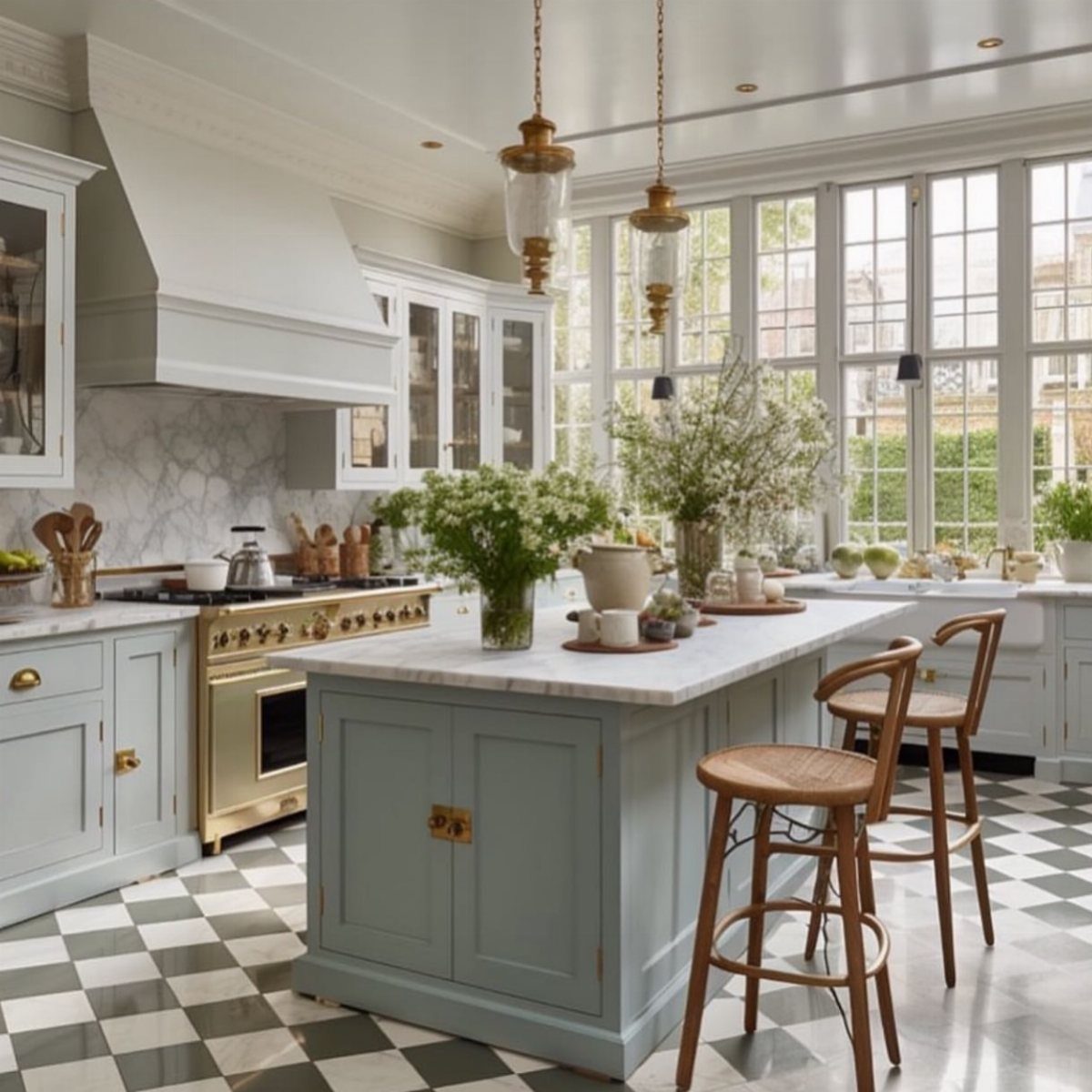
A soft blue island reads as found furniture against checkered floors and white cabinetry.
The tone matters more than the material: too saturated, and it turns nursery; too gray, and it disappears. The version here sits in the middle, paired with a white marble top that keeps the work surface bright.
I would specify a hand-painted finish in matte lacquer over hardwood, which lets the color vary slightly and age better than a factory coat.
Brass pulls and light oak counter stools carry that warmth through without fighting the island for attention.
For a budget version, paint-grade maple in the same tone with a quartz top in marble pattern costs half and reads nearly as well in natural light.
14. Light Green Kitchen Island
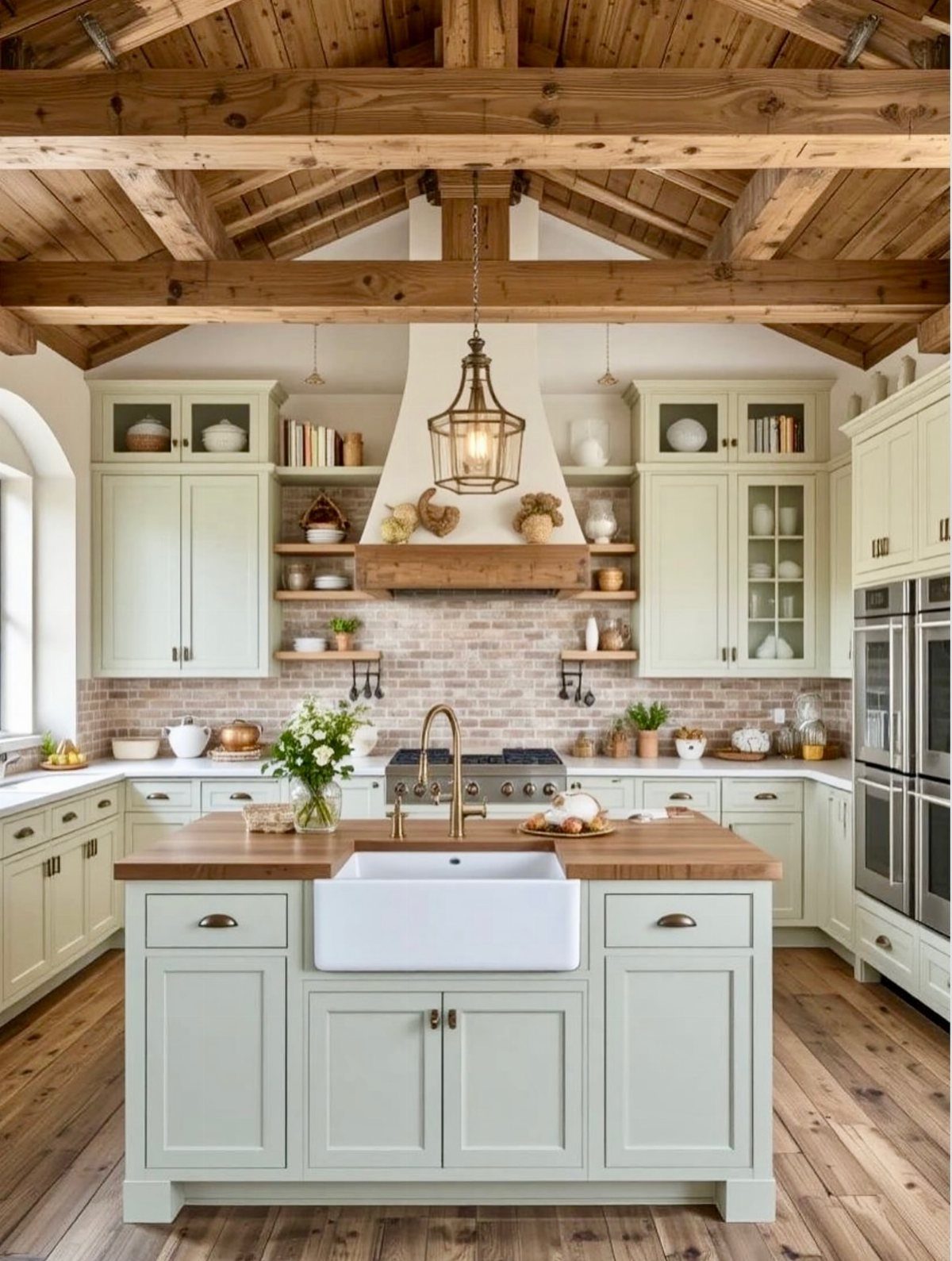
Muted sage on an island base with a natural wood top softens a kitchen without drifting toward mint or forest.
The brick backsplash and exposed beams visible here give the green something to settle against; in an all-white room, the same tone can read cold.
A wooden counter in oak or ash, left matte or oiled, suits this pairing better than stone because the grain adds variation that the flat paint lacks.
I would keep the sink and perimeter cabinets in white to let the island carry the color alone.
The green cabinetry matching the island extends the scheme only when the room is large enough to absorb it; in a compact kitchen, one green piece is enough.
Designing Your Kitchen Island
A French farmhouse island starts with the decision between a built-in cabinet box and a furniture-style piece on legs.
The legs open up floor space visually and make sweeping underneath simple, but they sacrifice the storage volume of a toekick cabinet run.
I would choose legs when the kitchen already has ample perimeter storage and reserve the solid-box form for galley layouts where every cubic foot counts.
The color palette pulls from actual French landscapes, not from trend forecasts.
I reach for soft cream, muted blue, sage green, or warm gray when a client wants that French farmhouse feel, and each color has a source you can actually picture: limestone walls, lavender at dusk, olive groves, shutters that have weathered a few decades.
These tones work because they are already familiar, already weathered in the imagination. Factory coats look flat by comparison and chip more obviously at edges.
Styling Your Kitchen Island
Decorative objects on a French farmhouse island need to earn their surface area. Vintage jars and ceramic bowls work when they hold something you reach for daily; otherwise they become clutter that fights your prep space.
I would rather see one good vase with cut herbs than a cluster of objects that all need dusting.
The furniture-style island demands a different approach to styling. An antique farm table or baker’s workstation already carries its own history in worn surfaces and hand-carved details, so the styling is the piece itself.
The risk is overloading it. A single marble-top baker’s table with its lower shelf for linens needs nothing else to read as complete.
Fresh flowers are the exception that proves the rule.
A small bunch in a simple ceramic vase, changed weekly, does more for atmosphere than any permanent decorative arrangement. The flowers die, which is the point; their impermanence keeps the kitchen from feeling staged.
Authentic French Country Principles
The core principle is that materials must look like they aged in place, even when they have not.
Wood with knots you can see and grain that runs its own way, stone that varies and carries small flaws: these are surfaces that get better as you use them, not materials pretending to age while they sit there.
A laminate printed with knot patterns will never wear like actual pine; the scratches reveal white substrate instead of lighter wood.
This creates a practical tension. Honest materials cost more upfront and demand acceptance of damage as patina.
I treat these marks as the surface doing its job, not as failure. The alternative is anxiety about every spill, which contradicts the unpretentious functionality that defines the style.
The double-duty detail is the other half of the equation. Turned legs ease cleaning; corbels support overhang while adding visual weight; open shelving displays pottery within daily reach.
Every element must work. An island that sacrifices function for appearance reads as costume, not architecture.