I’ve made every sofa mistake possible by buying showroom pretty, ignoring measurements, and skipping comfort tests. Before shopping, ask yourself about room size, usage goals, and seat depth that fits your body. Measure length, depth, and height with painter’s tape. Test cushion construction, back support, and arm comfort for at least ten minutes in-store. Choose between sectional versatility or standard sofas based on your layout. Made-to-order options like the Henderson and Maxwell offer durability and customization that beats inventory limitations. The specific decisions you make during this process will directly impact how well your furniture functions in your space.
Questions to Ask Yourself Before You Shop
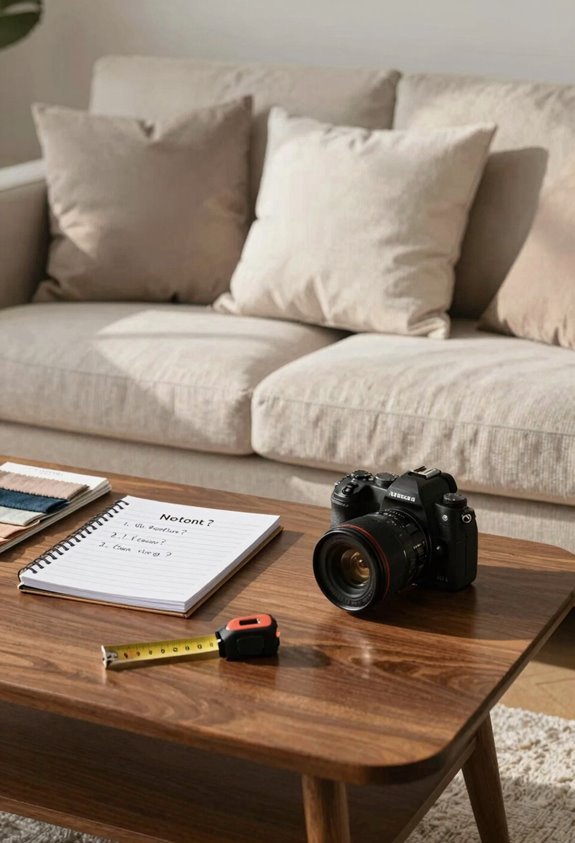
Why do so many of us end up with sofas that don’t quite work? I once bought a beautiful sofa that looked fantastic in the showroom but felt cramped in my living room.
Before I shop now, I ask myself three critical questions:
What’s my room size? I measure my space carefully, considering traffic flow and whether I need a standard sofa, sectional, or extra-long option.
What are my usage goals? Do I nap midday? Read? Host movie nights? This shapes everything about my choice.
What sofa height fits me? I consider my height and seat depth, aiming for 15–20 inches of comfortable sitting space that actually supports my body.
These questions guide my entire decision-making process.
Measure Your Space: The Three Essential Dimensions
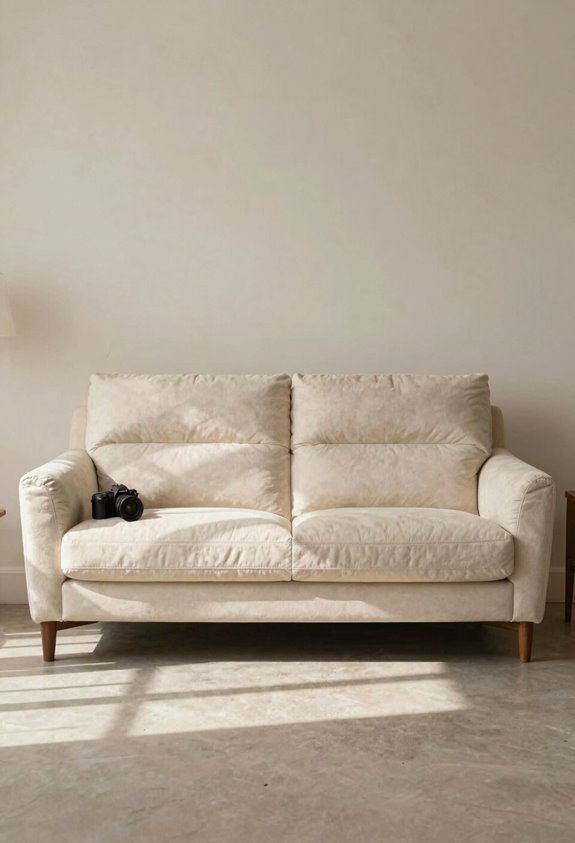
Once I knew what I actually wanted from my sofa, the real work began with grabbing a measuring tape. Space planning requires three critical measurements: length, depth, and height. Most sofas range from 72 to 96 inches long, while seat depth typically measures 21–24 inches for comfort. I discovered my mistake when I ignored back height, usually 30–36 inches, and nearly blocked my window.
I now outline my footprint with painter’s tape and walk through it. This simple trick reveals whether traffic flows naturally and doors open freely. I leave several feet around my sofa because cramped spaces feel suffocating. Getting these sofa dimensions right before shopping saved me from returning furniture and frustration.
Match Your Sofa Style to Your Home’s Vibe
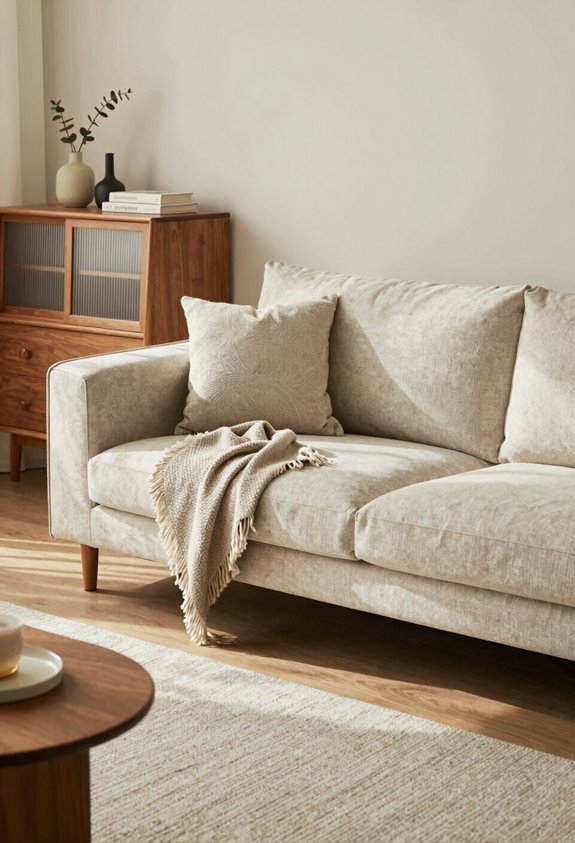
I’ve learned the hard way that picking a sofa isn’t just about what looks pretty in the showroom. It’s about creating a space where your style, comfort, and actual life come together. Your sofa anchors the whole room, so consider how its shape, fabric, and color work with what you’ve already got: your flooring, walls, and other furniture. Finding the balance between what makes your home feel like you and what actually works for how you live is straightforward.
Aesthetic Harmony and Cohesion
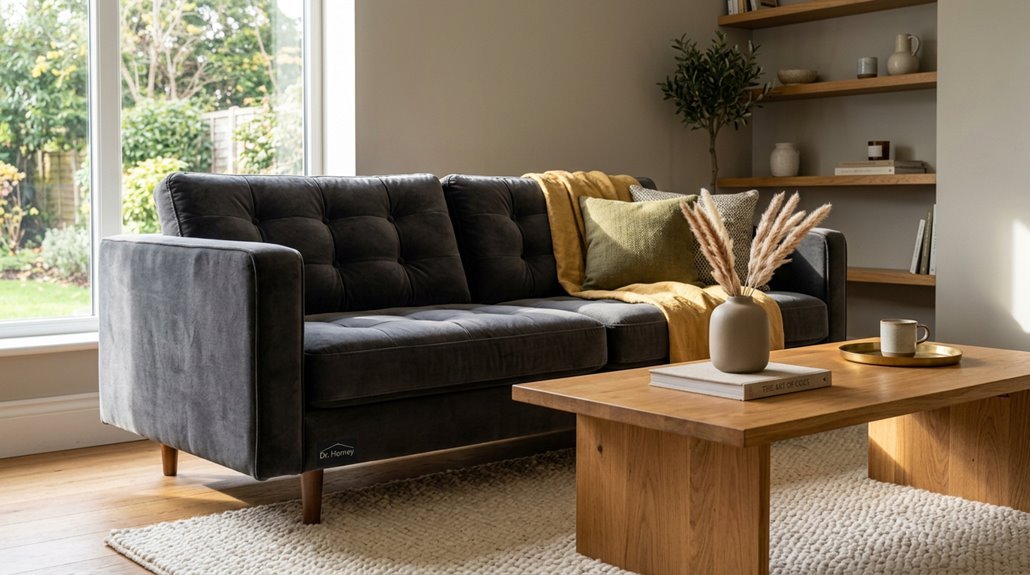
- Mix textures intentionally by pairing a soft velvet sofa with wood-toned tables for layered interest.
- Coordinate colors subtly. Neutrals with warm accents create unity without boring sameness.
- Match design languages to ensure your sofa’s silhouette echoes other furniture styles.
- Balance proportions so your sofa guides the eye smoothly across the room.
Avoiding overly matchy-matchy design actually strengthens harmony. When you layer textures and finishes thoughtfully, your room tells one cohesive story. This approach creates spaces that feel intentional and complete.
Design Style Alignment Matters
Matching your sofa to your home’s vibe creates that coveted cohesive look. If you love clean lines and minimal spaces, a modern sofa with sharp edges works well. In a cozy, lived-in room, choose curves and soft arms instead.
Your sofa serves as your interior design foundation. Before shopping, consider what feeling you want. Timeless and calm? Contemporary and bold? Your answer guides everything, turning rooms from “nice” into “intentional.”
Comfort Meets Visual Appeal
- Seat depth (typically 24-26 inches for balance between lounging and posture)
- Back height (higher backs feel formal; lower ones feel relaxed)
- Seat height (17-18 inches lets your feet touch the ground comfortably)
- Proportions working together (these three create your vibe and how your body actually sits)
I struggled finding a sofa that didn’t sacrifice one for the other. The solution is to test before buying. Sit, lean back, and imagine your actual life on it. When comfort and visual appeal align, you’ll recognize your perfect sofa.
What Cushion Construction Actually Does to Comfort
I found my sweet spot: combining high-density foam cores wrapped in down or feathers. This hybrid approach provides stable support while maintaining a comfortable surface feel. It resists quick sag better than either option alone, making it a more durable choice for everyday use.
One, Two, or Three Cushions: Which Fits Your Life
Now that you’ve decided on your cushion construction, the next decision will shape how you live on your sofa every single day.
Your cushion configuration directly impacts comfort longevity and how you’ll actually use your space:
- Single cushion – Clean aesthetic, but stains show easily and pressure concentrates in one spot
- Two cushions – Seats four comfortably; three guests feel squeezed in the middle
- Three cushions – Maximizes upright seating for three, stretches to six when cuddling
- Your seat depth – Determines if you’re lounging or perching upright
I chose Emily’s Moreno Sofa setup: one topstitch cover with 5-density foam wrapped in down feather filler. The soft feel works well, though softer foam compresses faster over time. Density, fill, and upholstery require careful consideration to balance the cozy lounge-ready quality against long-term support and seat height maintenance.
Choose a Fabric Built for Real Life
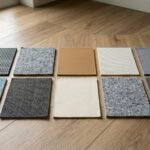
Visit the showroom and sit on your options. Simulate spills, touch the texture, feel the warmth. Hands-on testing prevents regrettable purchases and ensures your fabric matches your lifestyle.
The 10-Minute Comfort Test: Four Things to Check
Ever wonder why you’re comfortable on a friend’s sofa for five minutes but absolutely miserable after thirty? I learned this the hard way. The real test isn’t a quick sit; it’s committing to at least ten minutes in-store.
The real test isn’t a quick sit; it’s committing to at least ten minutes in-store to discover your true comfort needs.
What I check during my comfort test:
- Seat depth and back support – I confirm my feet touch the floor and my spine feels properly supported
- Cushion behavior – I note how quickly cushions compress and whether they sink too deeply
- Arm comfort – I test if armrests support my arms during relaxation
- Activity simulation – I watch TV, read, and chat to assess real-world posture
This approach reveals whether you’re choosing sink-in coziness or firm support based on your actual lifestyle needs.
Decide Between a Sectional and Standard Sofa
Once you’ve found a sofa that passes the comfort test, you’re facing another major decision: do you go with a sectional or stick with a traditional sofa?
This choice depends on your room layout and lifestyle. Sectional vs sofa boils down to space and how you actually live.
Sectionals shine when:
- You’ve got open-concept spaces needing ample seating
- You host frequently or need guest sleeping options
- You want maximum seating flexibility with modular pieces
Traditional sofas work better when:
- Your room’s narrow or compact
- You need to maximize floor space and traffic flow
- Paired with accent chairs, they create conversation areas
Assess your walkways first, as this is where most people make mistakes. Consider how you’ll reconfigure for different activities. This practical assessment will determine your best choice.
Three Sofas We’ve Tested and Trusted
I’ve put three sofas through real-world living to see which ones actually hold up when you’re using them daily, not just admiring them in a showroom. Testing for comfort and durability meant lounging on them, watching movies, hosting guests, and evaluating whether they felt as good after six months as they did on day one. What I found was surprising. Some sofas looked perfect but felt disappointing, while others became instant favorites I couldn’t imagine replacing.
Real-World Performance Testing
How do you know if a sofa will actually hold up in your home? I’ve tested several models to find ones that truly perform, and I’m excited to share what I discovered.
What I Looked For:
- Modular flexibility – sofas that adapt to different room layouts and lifestyles
- Performance fabrics – tight-weave textiles and removable slipcovers for easy cleaning
- Durability features – stainless steel legs and quality construction that lasts
- Practical extras – pull-out beds and cup holders for real-world convenience
The Soforia’s foldable arms offer versatility across different room configurations. The Plume’s faux rabbit fur corduroy balances luxury with practicality. The Vesper’s built-in pull-out bed solves the guest-sleeping problem. Performance and style aren’t mutually exclusive. These models prove you can invest in both without compromise.
Proven Comfort and Durability
Beyond the features that look good on paper, what really matters is how a sofa feels when you’re actually sitting on it, day after day, year after year.
I’ve tested three sofas that genuinely deliver. The Henderson from Cisco Brothers handles everyday life beautifully and serves as my go-to for durability. The Moreno by Lawson-Fenning offers tailored dimensions that fit my space perfectly, proving custom sizing matters. The Maxwell by Interior Define provides my preferred lounging comfort.
| Sofa | Brand | Key Strength |
|---|---|---|
| Henderson | Cisco Brothers | Long-lasting durability |
| Moreno | Lawson-Fenning | Custom sizing options |
| Maxwell | Interior Define | Lounging comfort |
The most effective approach is selecting sofas that match your actual lifestyle, not just your Pinterest board. A sofa’s true value emerges through daily use, not aesthetic appeal alone.
Made-to-Order Sofas: Durability and Long-Term Value
Why do so many of us end up squeezing a standard sofa into a space it wasn’t designed for, only to regret it months later?
Made-to-order sofas offer something different: durability and long-term value that justify the upfront investment. Here’s what makes them worth it:
- Custom dimensions align perfectly to your room and lounging style
- Longer-lasting construction resists wear better than off-the-shelf alternatives
- 100+ fabric options let you match your exact design vision
- Warranties and retailer support protect your investment for years
When I chose a made-to-order sectional, I picked dimensions and fabrics matching my space precisely. Production takes longer, but I received exactly what I needed instead of settling for close enough. You get a sofa built to your specifications rather than compromises based on limited inventory.