I’ve tested dozens of latex mattresses. Your sleep position matters more than the brand name. Side sleepers need plush cushioning like the Avocado Green or Saatva Latex Hybrid. Back sleepers want medium-firm support for spine alignment. Stomach sleepers prefer firmness around 6.5. Hybrids give you bounce and cooling, while all-latex options like Zenhaven offer luxury and longevity. Budget under $2,000. Try Birch Natural or Nolah Natural. Continue reading to find which mattress matches your body and sleeping style.
Start Here: What’s Your Sleep Position?
What’s Your Sleep Position?
Your sleep position is basically the foundation for everything else.
Your sleep position serves as the foundation for selecting the right mattress and achieving quality rest.
Finding the right latex mattress depends heavily on how you sleep. Side sleepers should prioritize pressure relief. The Naturepedic Serenade Organic Hybrid cushions shoulders and hips effectively, though heavier individuals over 150–200 pounds may need firmer support in other areas.
Back sleepers appreciate the Saatva Latex Hybrid’s medium-firm feel and spine alignment. Stomach sleepers typically want firmness around 6.5 for better overall support.
Combination sleepers benefit from high bounce and easy mobility. The Birch Natural and Nolah Natural excel in this category, allowing you to transition between positions smoothly.
Your sleep position determines pressure relief needs, edge support requirements, and firmness options that will work for your body.
How Latex Thickness and Coil Design Shape Your Feel
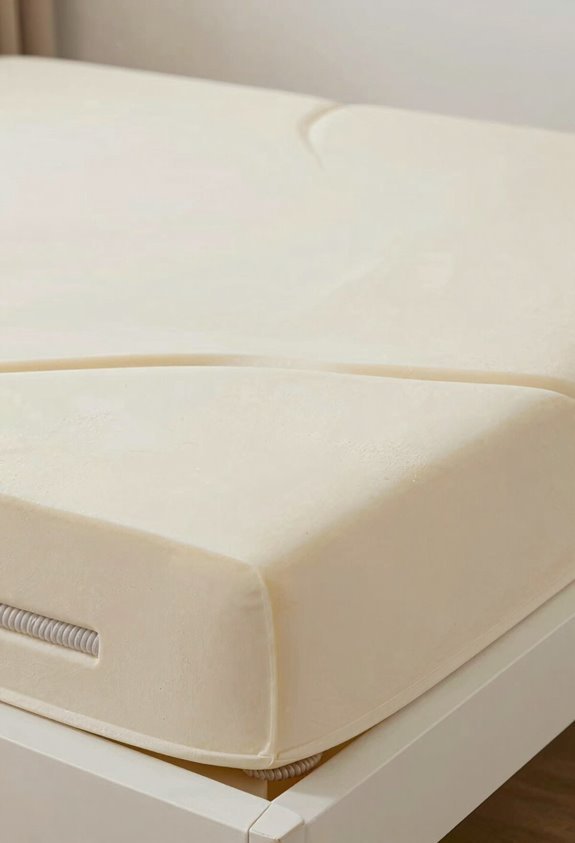
Have you considered why two latex mattresses can feel completely different even though they’re both labeled “latex”?
The feel comes down to latex thickness and coil design. Here’s what shapes that feel:
- Hybrid latex mattresses pair 3+ inches of latex over pocketed coils, creating bounce and zoned support
- All-latex designs like Zenhaven skip coils entirely, offering two firmness options instead
- Dunlop vs. Talalay latex matters. Talalay feels softer and cooler, while Dunlop is denser and firmer
- Greater latex thickness boosts durability but increases weight and price
Thicker latex layers enhance longevity. The coil system underneath determines how much that latex responds to your body. Choose based on whether you want bounce and airflow (hybrid) or edge-to-edge support (all-latex).
Should You Choose a Hybrid or All-Latex Mattress?
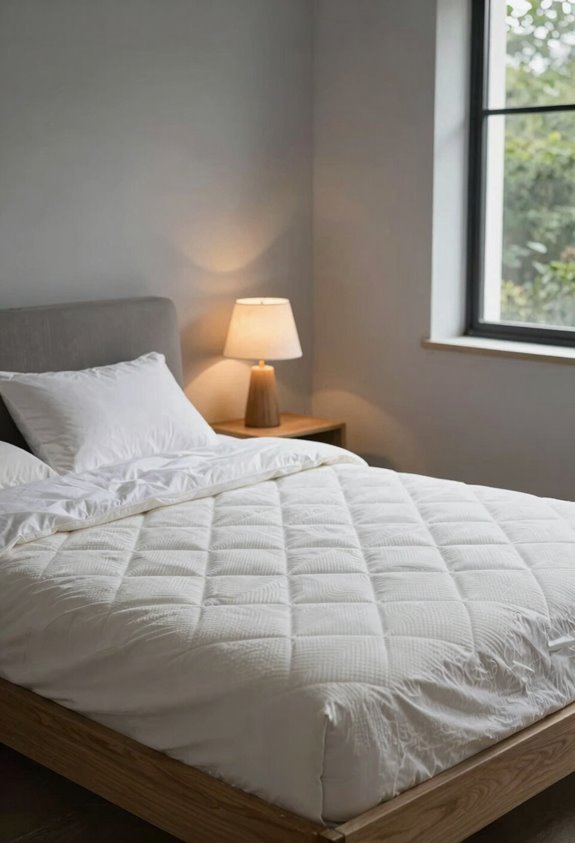
When comparing latex mattresses, the core difference between hybrid and all-latex models comes down to what’s underneath that latex layer. This structural choice affects how the mattress actually feels.
| Feature | Latex Hybrids | All-Latex Mattresses |
|---|---|---|
| Cooling & Bounce | Superior airflow, springy feel | Minimal bounce, warmer |
| Weight & Durability | Lighter, more prone to sag | Heavier, resists sagging |
| Price & Trial | Higher cost, longer trials | Premium pricing, 365-night trials |
| Best For | Active sleepers, hot sleepers | Luxury seekers, longevity |
Latex hybrids like Saatva deliver impressive cooling and bounce with pocketed coils supporting that 3″ latex layer. All-latex options like Zenhaven offer flippable, luxurious construction, though they come at a premium price point and are heavier to move.
Best Latex Mattresses for Side Sleepers
I’ve found that side sleepers need two things working together: enough cushioning to ease pressure on your shoulders and hips, plus solid support that keeps your spine straight instead of letting you sink like a pancake. When I tested latex mattresses for side sleeping, I realized the best ones balance that plush-but-bouncy feel with the firmness underneath that actually holds you up. The following latex mattresses deliver on both of these requirements.
Cushioning for Pressure Relief
Why do side sleepers wake up with sore shoulders and hips? The answer lies in finding the right latex cushioning. When I tested these mattresses, I found that deeper latex layers significantly improve sleep comfort.
What matters most:
- Naturepedic Serenade’s 2-inch latex beneath quilted top delivers pillow-soft pressure relief
- Avocado Green’s 3-inch latex foam provides cushy support while keeping things eco-friendly
- Nolah Natural’s deep 3.0″ latex comfort layer handles frequent movement effectively
- Saatva Latex Hybrid’s 3-inch latex above coils offers firm yet cushy cushioning
Organic latex options reduce environmental impact. These latex hybrids and pressure-relieving designs result in waking refreshed rather than achy. Quality latex cushioning makes a measurable difference for side sleepers.
Support for Spinal Alignment
While cushioning keeps your shoulders and hips happy, your spine needs something different. It needs support that keeps everything stacked nicely in a straight line.
Latex hybrid mattresses excel at this balancing act for side sleepers. The Saatva Latex Hybrid, with its medium-firm feel around 6.5, provides strong spinal alignment while maintaining excellent edge support. Its 2–3 inches of latex in the comfort layer over coils delivers both pressure relief and supportive lift.
The Birch Natural also performs well. Its bounce keeps your spine aligned without sacrificing shoulder and hip comfort. For lighter folks, the Naturepedic Serenade’s cushion-firm top with its 2-inch latex layer preserves alignment while offering the pressure relief side sleepers need.
Best Latex Mattresses for Back and Stomach Sleepers
I’ve found that when I sleep on my back or stomach, I need a mattress that keeps my spine straight without sagging in the middle or sinking too deep. I’m focusing on three key factors: how well the mattress supports spinal alignment, whether the firmness level maintains stability without feeling overly rigid, and if the edges remain firm when I roll around at night. Latex mattresses excel in these areas because they don’t compress like memory foam. This responsive bounce-back helps maintain correct positioning throughout the night. The following options have been tested for their performance with back and stomach sleepers.
Support And Spinal Alignment
- Saatva Latex Hybrid provides exceptional back-pressure relief with its responsive support
- Birch Natural maintains consistent spine alignment through stable edge support
- Nolah Natural uses zoned support to prevent excessive sinking
- Zenhaven offers two firmness levels, letting you customize your spinal alignment
The buoyant nature of latex keeps your spine properly aligned without the sinking sensation that memory foam causes. Finding the right spinal alignment requires matching the mattress to your specific sleeping position and body type. These mattresses provide substantive support for back sleepers.
Firmness Levels For Stability
For flexibility, Zenhaven’s flippable design let me choose between Luxury Plush and Gentle Firm sides. Naturepedic Serenade’s cushiony top combined with latex support provided balanced support and comfort.
Finding the right firmness level improved my sleep quality.
Edge Support Considerations Matter
Why does edge support matter when you’re shopping for a latex mattress? Strong edges keep you from rolling off and prevent that annoying sinking feeling at the sides.
If you’re a back sleeper, you’ll appreciate these standouts:
- Saatva Latex Hybrid delivers outstanding lying edge performance with excellent spine alignment
- Zenhaven’s all-latex construction provides stable edges across both firmness options
- Birch Natural offers minimal sinkage at the periphery, perfect for edge sitting
- Nolah Natural features impressive edge support (8.4 rating) for consistent side stability
All-latex models generally show minimal sinkage, making edge stability crucial. Saatva and Zenhaven lead in durability, ensuring your mattress edges remain dependable for years.
The Top 3 Latex Mattresses: Side-by-Side Comparison
When I started comparing latex mattresses, I quickly realized that picking the right one depends on what matters most to you: cooling power, bounciness, natural materials, or edge support.
| Mattress | Key Strength | Price |
|---|---|---|
| Saatva Latex Hybrid | Firm 6.5 feel, outstanding edge support | Premium |
| Zenhaven | Flippable, two firmness options, best motion isolation | $3,199 queen |
| Birch Natural | Natural materials, excellent cooling (10), high bounce | $1,499 queen |
The Saatva Latex Hybrid delivers a perfect blend of responsiveness and support. The Zenhaven impresses with its flexibility; you can flip between Plush and Firm options. The Birch Natural and Nolah Natural stand out for their organic materials at accessible price points. Each latex hybrid mattress addresses different sleeper preferences and budgets.
Do You Sleep Hot? Why Latex Beats Memory Foam
After comparing those three standout mattresses, I noticed a pattern: sleepers who ran hot were consistently choosing latex options over memory foam.
The reasons are clear:
- Open-cell structure in latex naturally breathes better, letting heat escape instead of trapping it like memory foam does
- Talalay latex offers superior cooling compared to Dunlop latex, with lighter sinkage that keeps you from overheating
- Coil cores in hybrid mattresses boost airflow, creating a temperature-friendly sleep surface
- Natural latex maintains stable temperatures throughout the night, preventing mid-sleep heat buildup
Testers gave cooling scores of 9.0+ to options like Birch Natural and Nolah Natural. If you’re someone who kicks off blankets at 2 AM, latex delivers measurable cooling performance that memory foam cannot match.
Budget-Friendly Latex Mattresses Under $2,000
- Birch Natural ($1,499 queen): 9.35 score, excellent cooling, and solid edge support around 4.5
- Nolah Natural ($1,574 queen): Strong cooling and edge support for organic shoppers
- Avocado Eco ($1,169–$2,399): High bounce and deep contour appeal, though rotation matters
- Plushbeds Signature Bliss (around $1,800–$1,900 on sale): Often dips below the $2,000 threshold
Budget-friendly latex hybrids deliver quality cooling and support without premium pricing.
Watch Out: Non-Natural Blends, Weak Edge Support, and Hidden Costs
I’ve learned the hard way that not all latex mattresses are created equal, and some come with surprises that affect your budget. You’ll want to watch out for three major issues: synthetic blends that compromise durability and eco-friendliness, weak edge support that makes sitting on the bed feel mushy, and sneaky fees like $99 return charges or frame requirements that aren’t always obvious upfront. Let me walk you through what I discovered about each of these red flags so you can make an informed decision.
Synthetic Materials And Trade-offs
Why do some latex mattresses cost half the price of others, yet wear out twice as fast? The answer is synthetic latex.
When I compared budget options, I discovered polyurethane-based synthetic latex mattresses seemed like deals. The reality proved different:
- synthetic latex wears faster than natural latex, requiring replacement sooner
- blends mixing natural and synthetic latex reduce durability and cooling performance
- loss of certifications means health claims disappear with non-natural materials
- hidden costs emerge when heavier mattresses demand sturdier bed frames
Cheaper synthetic options compromised durability significantly. Edge support weakened quickly in low-density layers, eliminating the longevity that natural latex provides. Blends sacrificed both performance and eco-friendliness, despite their initial appeal.
Edge Support Limitations Matter
Heavier sleepers experience more edge deformation, which can affect warranty coverage if your frame doesn’t align properly. The table below shows how different mattress types perform in edge support and durability.
| Mattress Type | Lying-Edge Score | Seated-Edge Score | Durability |
|---|---|---|---|
| Saatva Latex Hybrid | 9/10 | 9/10 | Excellent |
| Birch All-Latex | 8/10 | 4.5/10 | Good |
| Zenhaven Flippable | 8/10 | 7/10 | Strong |
| Latex-Foam Blend | 6/10 | 5/10 | Fair |
| Budget Hybrid | 5/10 | 4/10 | Weak |
Edge support matters because inadequate support compromises both comfort and product longevity. Budget options typically fail to maintain structural integrity under prolonged pressure, while premium latex hybrids provide consistent performance across different sleeping positions and body weights.
Trial Fees And Rotation Requirements
When shopping for a latex mattress, the trial period often contains hidden costs despite what companies advertise.
Understanding your sleep trial terms saves money and prevents unexpected charges. Key factors to monitor include:
- Return fees: Saatva Latex Hybrid charges $99 during their one-year trial
- Rotation policies: Avocado requires regular rotating to keep your warranty eligibility intact
- Hidden costs: Non-natural blends in latex hybrid models sometimes mean weaker edge support
- Clear guidelines: Zenhaven’s lifetime warranty rewards rotation
Transparent rotation policy details are essential. When brands clearly explain weight impacts on trial terms, they demonstrate reliability. Companies that openly disclose these requirements build credibility with informed mattress shoppers.
Comparing Trial Periods and Warranties: Avocado vs. Saatva vs. Naturepedic
How do you really know if a latex mattress will work for you without sleeping on it for weeks? Trial periods and warranties matter tremendously.
The breakdown:
The Saatva Latex Hybrid gives you a full year to decide, though there’s a $99 return fee. Naturepedic Serenade Organic Hybrid offers just 100 days, shorter but appealing to conscious sleepers focused on eco-friendly materials. Zenhaven stretches to a year with a lifetime warranty, matching their premium positioning.
What matters:
Long-term protection is valuable. All three brands back their mattresses for decades (25 years or lifetime), so you’re investing in genuine quality. This extended coverage reflects actual product durability.
Avoid These Mistakes, Then Make Your Call
Before I dropped thousands of dollars on my latex mattress, I wish someone had walked me through the common pitfalls because it’s easier to mess this up than you’d think.
Before dropping thousands on a latex mattress, understand the common pitfalls—it’s easier to mess up than you’d think.
I learned that skipping these checks costs real money:
- Price considerations: All-latex models often exceed $1,000–$2,000, while latex hybrids offer better value without sacrificing quality
- Weight and frame compatibility: My 160-pound mattress needed proper slat spacing; I almost voided my warranty with a flimsy bed frame
- Trial requirements: Avocado demands regular rotation. I nearly missed the deadline before discovering this buried in fine print
- Edge support: Latex hybrids deliver outstanding bounce and durability, though performance varies by model
Mattress shopping doesn’t require expensive mistakes. Check your frame, review trial requirements carefully, and compare latex hybrids against all-latex options before committing.