
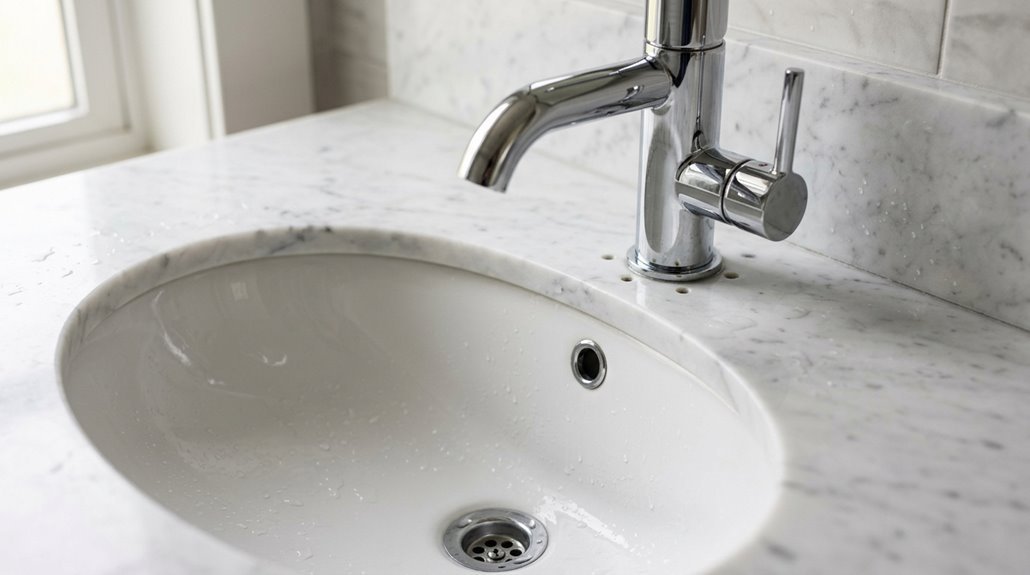
Sink hole configuration is the foundation of your faucet choice.
Single-hole faucets work in any application, including multifamily projects. Centerset requires exactly 4-inch spacing, and widespread demands 8+ inches, or you’ll need retrofitting. Wall-mount eliminates deck holes entirely, which is ideal for ADA spaces. Match your sink’s configuration first, verify measurements before ordering, and finalize everything before countertop fabrication begins. Incorrect specifications upfront will result in costly rework.
The Four Sink Hole Configurations: Single-Hole, Centerset, Widespread, and Wall-Mount
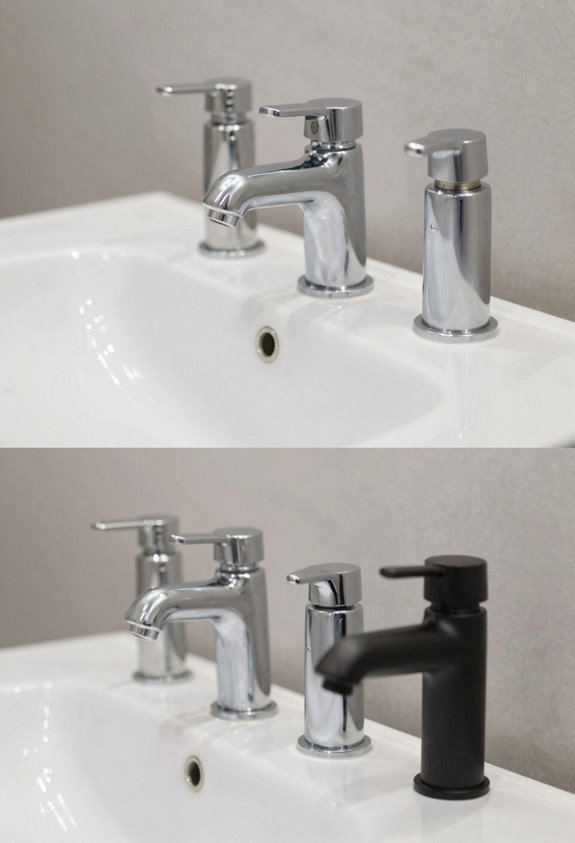
Ever considered how your sink’s hole configuration affects faucet compatibility?
I’ve encountered frustration and confusion about hole count options. Here’s what I’ve learned:
Single-Hole faucets work with one mounting hole and use a baseplate to hide extra holes. This option suits minimalist designs.
Centerset models fit three holes spaced 4 inches apart, combining both handles on one compact unit. These work well for standard bathrooms.
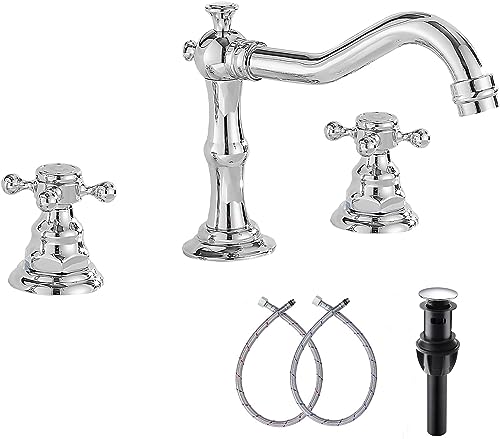
Widespread faucets need three holes spread 8–16 inches apart, using separate pieces for drama and elegance.
Wall-Mount configurations skip deck holes entirely, relying on in-wall valves instead. These are common in commercial spaces and ADA setups.
Matching your sink’s hole count to the right faucet prevents gaps and misfits. Getting this right eliminates installation complications.

Contains:You will receive black faucet plate 3 hole cover,has a length of 10.03 in,a width of 2.36 in and a hole diameter of 1.4in,it perfectly covers unused outer holes in the sink

The deck plate Length: 10.2", Width: 2.3", Hole Diameter: 1.34", Compatible with most single hole kitchen sink faucet

Perfect Size: Chrome sink hole is 6.4 inches long, 2.5 inches wide and 1.3 inches in diameter. The bathroom sink cover can perfectly cover the unused outer holes in your sink. The bathroom sink cover is very simple to install, wipe stains with a soft cloth, save time and energy, and keep your sink area neat and beautiful
Start Here: Which Configuration Fits Your Project Type
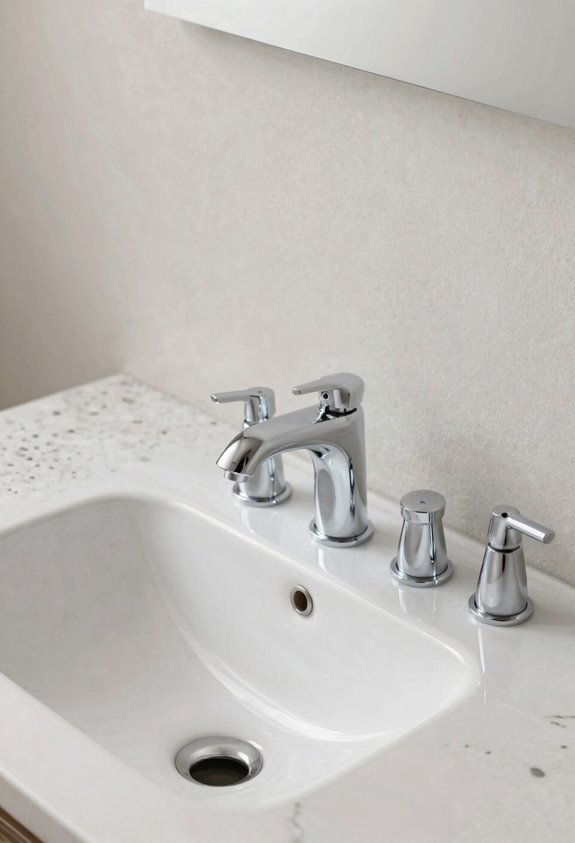
How do you know which faucet hole configurations actually works for your specific project? Mismatched faucets and sinks create expensive delays on-site.
Match Your Project Type
Start by identifying your building type. For most multifamily projects, single-hole faucets are the default choice since they’re compatible with undermount sinks requiring no pre-drilled holes. This saves time and costs.
Premium spaces demand different choices. Master baths require widespread faucets across 8–16 inch spreads for luxury appeal. Standard residential bathrooms work with centerset faucets fitting standard 4-inch 3-hole configurations.
ADA-focused layouts require wall-mount fixtures with in-wall rough-in valves, eliminating deck holes entirely.
Verify sink hole patterns at the fixture schedule stage. Confirming specifications early prevents costly on-site mismatches.
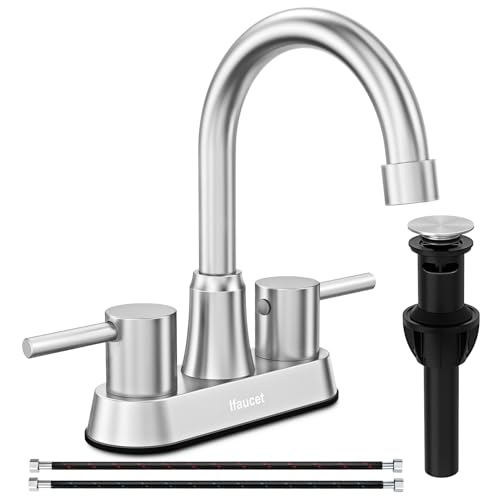
Package Included: SUS304 Stainless Steel Brushed Nickel Bathroom Faucet & Solid Metal Pop-up Drain & Certified Water Inlet Hoses

UNIQUE PATENTED DESIGN 4 INCH BATHROOM FAUCETS: Bathroom sink faucet body constructed from stainless steel, have registered with the CEC, meets lead-free standards. 2 pcs H/C 24-in bathroom faucet water supply lines. Matching-finish pop-up bathroom sink drain with overflow and built-in strainer, easy for daily cleaning.

Unique Patented Design Bathroom Faucet: The 4 inch centerset bathroom faucet body/handle constructed from stainless steel to fight off rust and corrosion. safely deliver water. The brushed nickel bathroom faucet is softened every corner and edges, stays fingerprint-free, and won't peel,No fading – so stays shiny and new-looking for years.
Single-Hole Faucets: Why They’re Default for Multifamily Projects
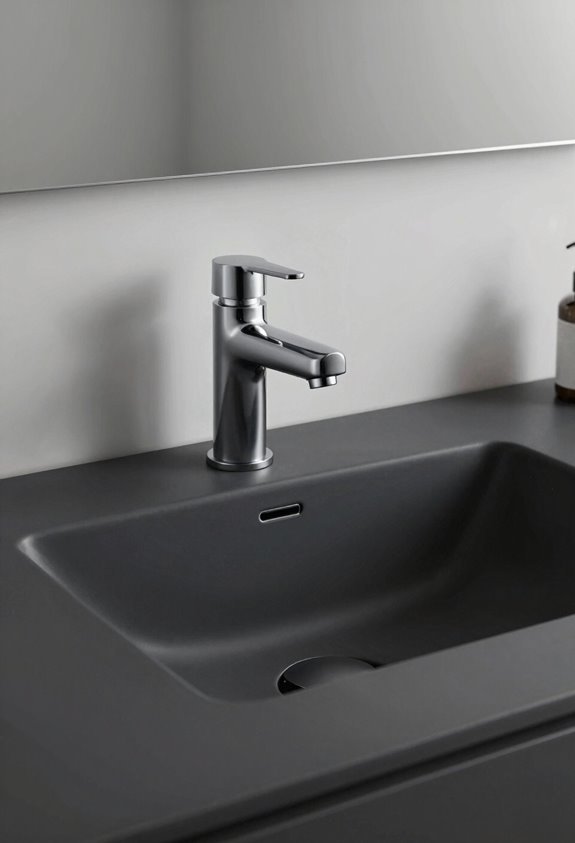
I’ve learned that single-hole faucets became my go-to choice for multifamily projects because they cut installation time dramatically and simplify coordination with sink fabricators. They let me standardize across dozens of units without wrestling with different hole patterns. When I pair them with a deck plate, I get flexibility to work with undermount sinks that come pre-drilled or not, which eliminates those frustrating last-minute sink swaps. Reducing multiple-hole matching means I’m not juggling different SKUs across a 200-unit building, and my procurement team appreciates the streamlined process.
Water Flow Rate: The faucet delivers a water flow rate of 1.18 gallons per minute for efficient water usage

NSF Certified & Solid Copper Inlets: Designed with NSF-certified lead-free waterways and robust brass inlet paired with a heavy-duty metal lock nut—instead of fragile plastic hardware—this faucet guarantees a rock-solid setup to ensure strict water safety for your family's peace of mind. To complement this premium, durable build, a sleek matte black finish brings a contemporary, high-end aesthetic to any vanity.

Elegant Waterfall Design – This round bathroom faucet 3 hole features a wide waterfall spout with scientifically calculated tilt angle to deliver optimal water flow while minimizing splashing.
Standardization Across Multifamily Units
When I specify single-hole faucets across all units, I’m eliminating procurement chaos. Every apartment gets identical rough-ins, identical baseplates, identical installation procedures. No surprises mid-construction.
The Real Benefits
- Standard 1-hole measurements work everywhere
- Baseplates cover extra holes if sinks have them
- Fixture schedules become refreshingly simple
- Field adjustments drop dramatically
Projects derail when units have mismatched configurations, some 3-hole and some single-hole. Plumbers get confused. Inspectors question installations. Change orders pile up.
Single-hole faucets reduce these variables. One choice, one measurement, one streamlined project from start to finish.
Installation Speed and Labor Efficiency
Why do I keep spec’ing single-hole faucets on every multifamily project I touch? They’re efficiency powerhouses. Here’s what I’ve learned from countless installations:
- Fewer components mean faster setup – I’m talking minutes, not hours per unit
- Minimal deck footprint reduces complications – no wrestling with extra holes or modifications
- Standardized across all units streamlines scheduling – my crews know exactly what they’re installing
- Less inventory complexity saves coordination headaches – I’m not juggling multiple configurations
When I switched to single-hole faucets universally, my labor costs dropped noticeably. My installers appreciate the straightforward approach, and I appreciate staying on budget. These faucets handle everything standard configurations do, just faster.
Undermount Sink Compatibility Advantages
Single-hole faucets offer significant advantages when working with undermount sinks, particularly on multifamily projects. Undermount sinks typically arrive without pre-drilled holes, which means you can specify a single-hole configuration before countertop fabrication happens. This eliminates costly field rework later.
| Advantage | Impact |
|---|---|
| No pre-drilled holes | Streamlined scheduling |
| Minimal pre-assembly | Faster installations |
| Base plate compatibility | Covers extra holes if needed |
| Early specification | Avoids mismatches |
Single-hole configuration keeps everything aligned with undermount sink specs, reduces coordination headaches, and minimizes callback visits. A base plate can still cover additional holes if your project requires flexibility down the road.
Centerset Faucets: When Your Sink Has 4-Inch Pre-Drilled Holes
For most of us dealing with bathroom renovations, centerset faucets are the practical choice when your sink comes with standard 4-inch (100 mm) center-to-center hole spacing.
Key advantages of this setup:
- Three-in-one design – The spout, hot, and cold handles combine into a single unit
- Faster installation – No extra drilling needed when holes already align
- Cohesive appearance – The shared base plate looks polished and intentional
- Budget-friendly – You’re skipping expensive widespread faucet systems
Centerset fixtures eliminate unnecessary complications. If your existing sink matches this hole pattern, you avoid extra work and expense. This solution works well for countless homeowners who have chosen it.

PAIR WITH WALL-MOUNT BATH FAUCETS: This product is required to install Delta 2-handle wall-mount bathroom faucets or Delta 2-handle wall-mount bathtub faucets (sold separately)

Premium Brushed Gold Finish: Quality brushed gold bathroom sink faucet, build to resist daily scratches, corrosions or tarnishing

➤PREMIUM QUALITY: The valve body is made of #59 fine copper, ensuring corrosion and rust resistance. Utilizing high-end ceramic disc cartridge imported from Spain, tested up to 500,000 times without any dripping issue.
Widespread Faucets: Premium Design at the Cost of Complexity
How much bathroom drama are you willing to handle for a faucet that’ll turn heads?
Widespread faucets stopped me cold. They’re absolutely stunning, demanding 3 holes spaced 8–16 inches apart. That luxe look works well for master baths and high-end spaces where aesthetics matter.
What I learned:
- Three separate pieces mean more labor, coordination headaches, and maintenance nightmares
- Retrofitting’s tough. My standard 4-inch sink holes didn’t match, requiring extra drilling or base plates
- More components = more leak points. The spread valve, handles, and spout create warranty concerns
Before committing, I had to measure twice, plan my deck layout precisely, and verify sink compatibility. Widespread faucets deliver premium design, but they require serious upfront planning and patience.

Wall-Mount Installation: Wall-mount sinks are a space-saving, versatile option, offering users installation height customizability.
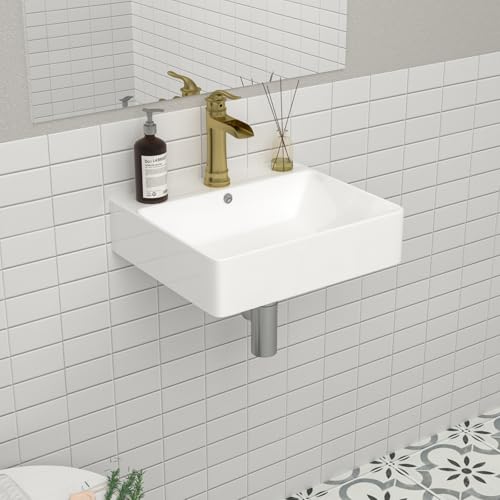
TOP QUALITY DURABILITY: Mocoloo 18 Inch bathroom floating sink is molded and fired at high temperature, constructed by clay and minerals together

Wall-Mount Faucets: ADA Planning and Rough-In Coordination
Wall-mount faucets demand serious upfront planning. You’re fundamentally committing to exact measurements before the wall closes, which means coordinating with your plumber, architect, and accessibility consultant early or risk expensive rework. This setup eliminates deck holes entirely, giving you that clean, accessible look that meets ADA requirements.
However, you’ll need to nail down your rough-in valve location, spout height (typically 48 inches from the floor for reach compliance), and supply line routing to avoid conflicts with studs or cabinetry hiding behind that wall. Getting this right upfront—checking clearances, confirming valve specs, and documenting everything—prevents costly adjustments discovered mid-project when modifications are no longer feasible.

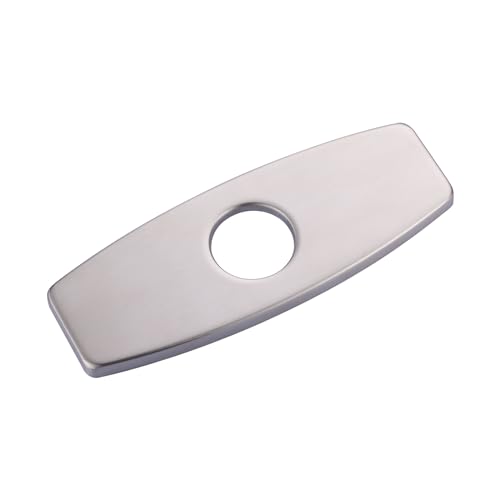
✅ 3-Hole Faucet Deck Plate: Fits sinks with 1 to 3 holes. This 10-inch long faucet plate cover provides ample coverage to conceal all unused outer holes, Universally compatible with most single-hole and three-hole sink faucets, making your kitchen or bathroom vanity area look clean, neat, and elegant

Product Contains:You will receive 1pcs silver faucet plate,simply place the faucet escutcheons over the sink hole before,it can meet your basic home needs
⚠ CONTACT US - We provide professional after-sales support. If you have any questions about the product, please feel free to contact our customer service team at any time. You can contact us through the following methods: the "Ask a Question" function on the seller's homepage, the "Contact Seller" function on the order page, email: [email protected] Contact us at 6263663860 and we will promptly provide you with answers.
Rough-In Valve Specification Requirements
When coordinating wall-mount faucets for a bathroom project, proper rough-in valve placement from the start prevents costly modifications later.
Specify these critical details upfront:
- Valve type – compression, ceramic cartridge, or pressure-balanced systems
- Setback distance – typically 6-8 inches from finish wall surface
- Center height – usually 48 inches ADA-compliant, matching sink hole configurations
- Escutcheon compatibility – ensuring the trim ring aligns perfectly
Mismatched plumbing rough-ins and faucet specs derail projects. Documenting specifications early prevents field adjustments that compromise aesthetics and function. Clear rough-in specifications ensure your faucet choice works seamlessly with your sink setup across single-family homes and multifamily developments.
ADA Accessibility and Height Planning
Why is wall-mount faucet planning critical for ADA spaces? Getting this right transforms accessibility from an afterthought into genuine usability.
The Height Sweet Spot
Wall-mount faucets demand precise positioning. Spouts should be positioned between 34″–38″ from the floor, matching typical user reach without stretching or straining. This measurement directly impacts usability for wheelchair users and others with mobility considerations.
Clear Space Requirements
Verify knee and toe clearance beneath the sink. Wall-mount faucets eliminate deck obstruction entirely, giving users the open space they need. No deck holes means smoother maneuvering and better access.
Rough-In Checklist
- Supply lines aligned with wall structure
- Mounting height verified before drywall closure
- Backsplash positioned to avoid operation interference
Coordinating these elements upfront prevents costly retrofits later.
Deck-Hole Elimination Benefits
Since wall-mount faucets don’t need deck holes, you get a cleaner, simpler installation that makes ADA compliance easier to achieve. Eliminating deck holes transforms your bathroom design in several ways:
- No countertop drilling – You avoid creating unnecessary holes that weaken your sink surface
- Easier retrofits – Installing on existing sinks becomes straightforward without modification
- Uninterrupted surfaces – Your countertop stays pristine and visually cleaner
- Better accessibility – Wall mounting aligns perfectly with ADA reach requirements
You’ll need precise rough-in coordination with your plumber. Misaligned valve placement creates installation complications. When executed properly, deck-hole elimination delivers a seamless, modern aesthetic while meeting accessibility standards.
Common Sink-Faucet Compatibility Errors and How to Avoid Them
How many times have I watched someone install a shiny new faucet only to discover it doesn’t actually fit their sink?
Understanding your hole configuration saves serious headaches. When I installed a single-hole faucet on a three-hole sink without a baseplate, I created exposed gaps that looked terrible. Baseplates cover surrounding holes beautifully.
The mistakes I’ve made:
- Pairing widespread (8-inch) faucets with four-hole sinks without checking alignment
- Ignoring the 4-inch center-to-center spread requirement for centerset models
- Skipping product page verification for included baseplates
Always verify hole specifications before purchasing. Checking whether your sink’s holes match your faucet’s spread prevents wobble, leaks, and frustration. Measuring twice beats installing twice.
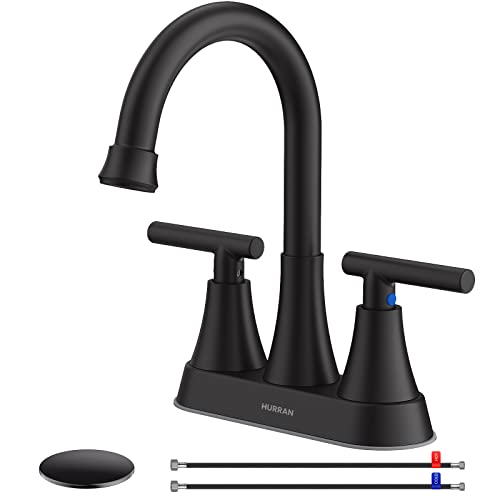
UNIQUE PATENTED DESIGN 4 INCH BATHROOM FAUCETS: Bathroom sink faucet body constructed from stainless steel, meets lead-free standards. 2 pcs H/C 24-in bathroom faucet water supply lines. Matching-finish pop-up bathroom sink drain with overflow and built-in strainer, easy for daily cleaning.

UNIQUE PATENTED DESIGN 4 in. BATHROOM FAUCETS: Bathroom sink faucet constructed from sturdy stainless steel, meets lead-free standards. Includes 2 pcs H/C 24-in bathroom sink faucet water supply lines and matching-finish pop-up drain with overflow. Bathroom faucets passed 24h acid salt spray test and extreme cold& hot tests.
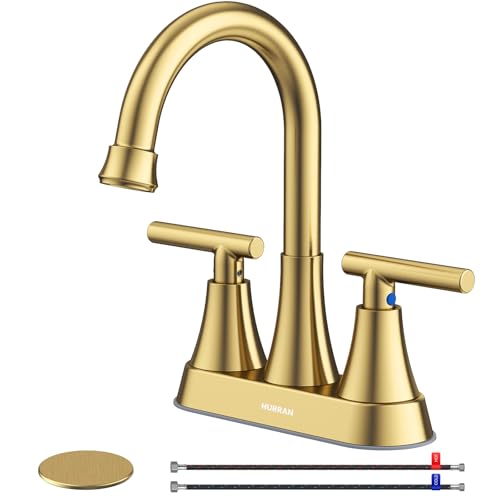
UNIQUE PATENTED DESIGN 4 INCH BATHROOM FAUCETS: Bathroom sink faucet body constructed from stainless steel, have registered with the CEC, meets lead-free standards. 2 pcs H/C 24-in bathroom faucet water supply lines. Matching-finish pop-up bathroom sink drain with overflow and built-in strainer, easy for daily cleaning.
Finalize Your Faucet Configuration Before Countertop Fabrication
Coordinate your faucet choice with your sink holes early.
Coordinate your faucet choice with sink holes early to avoid costly rework during fabrication.
- Centerset faucets need exactly 4 inches between faucet holes. Missing this measurement requires patching your sink.
- Widespread models demand 8+ inches spacing and custom sink dimensions.
- Single-hole setups use baseplates to cover extra faucet holes flexibly.
- Undermount sinks require hole specifications during fabrication planning.
Finalize your faucet hole configuration before the fabricator touches your countertop. One conversation now prevents expensive rework later. Your budget depends on getting this decision right before production begins.

Elegant Waterfall Design – This round bathroom faucet 3 hole features a wide waterfall spout with scientifically calculated tilt angle to deliver optimal water flow while minimizing splashing

UNIQUE PATENTED DESIGN WIDESPREAD BATHROOM FAUCET: Bathroom faucets constructed from stainless steel, meets lead-free standards. Drip-free ceramic valves passed 500,000 watertight tests and 24h extreme cold and hot tests, ensuring lifetime durability and reliability. Includes 27-in pre-assembled bathroom sink faucet water supply lines and matching-finish pop-up bathroom sink drain with overflow.

Upgraded Patented Bathroom Faucet - The black bathroom faucet withstands 80000+ cycles and DOE certification, to ensure that water safety and energy efficiency, while also enhancing durability and leak resistance