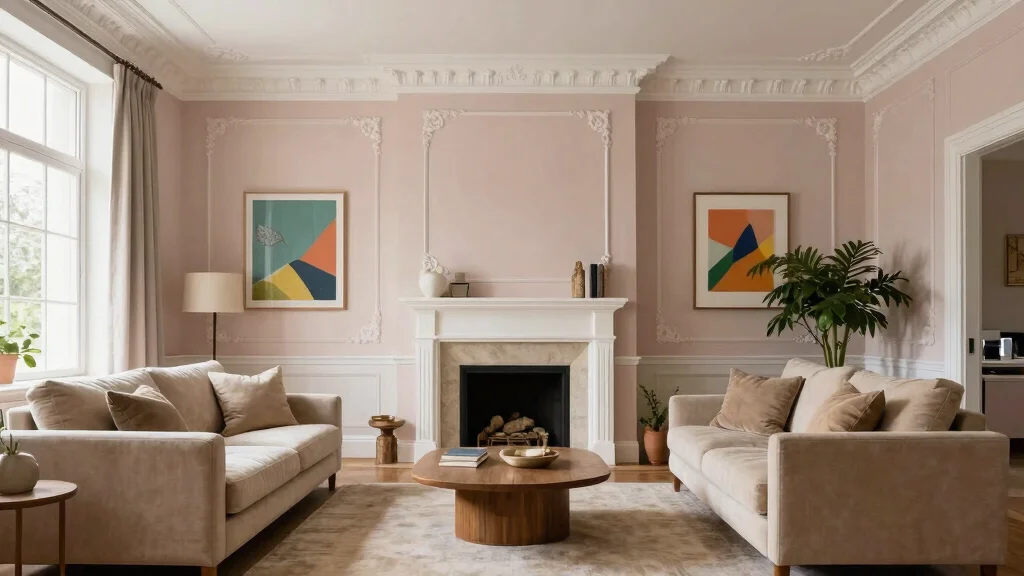
When it comes to decorating your living room, nothing elevates the space quite like molding on the walls. This classic architectural detail can transform an ordinary room into an inviting haven. I’ve been inspired by the beauty of vintage molding designs and how they add warmth and character to a space. Whether you’re renovating a cozy cottage or refreshing a modern home, incorporating molding can make all the difference.
If you’re a home decor enthusiast who appreciates classic styles, this post is just for you. You’ll discover a variety of creative molding ideas that reflect timeless elegance and charm. From crown molding to wainscoting, these styling tips will help you enhance your living room’s aesthetic. I’ve gathered a collection of 17 captivating molding ideas that are not only stylish but also practical for creating a welcoming atmosphere.
Get ready to dive into a world of architectural accents that will inspire you to elevate your living room decor. This guide will provide you with actionable ideas and tips to incorporate molding seamlessly into your interior design. By the end, you’ll have a clear vision of how to add that classic touch to your home, making it both beautiful and functional.
Key Takeaways
– Discover how the right crown molding ideas can add elegance and height to your living room.
– Explore various wall trim styles that offer unique textures and visual interest for any decor theme.
– Learn practical interior design tips for utilizing molding to create defined spaces and architectural focal points.
– Find inspiration in classic home decor techniques that use molding to enhance warmth and character.
– Get creative with architectural accents, including vintage designs and customizable options, to reflect your personal style.
1. The Elegance of Crown Molding
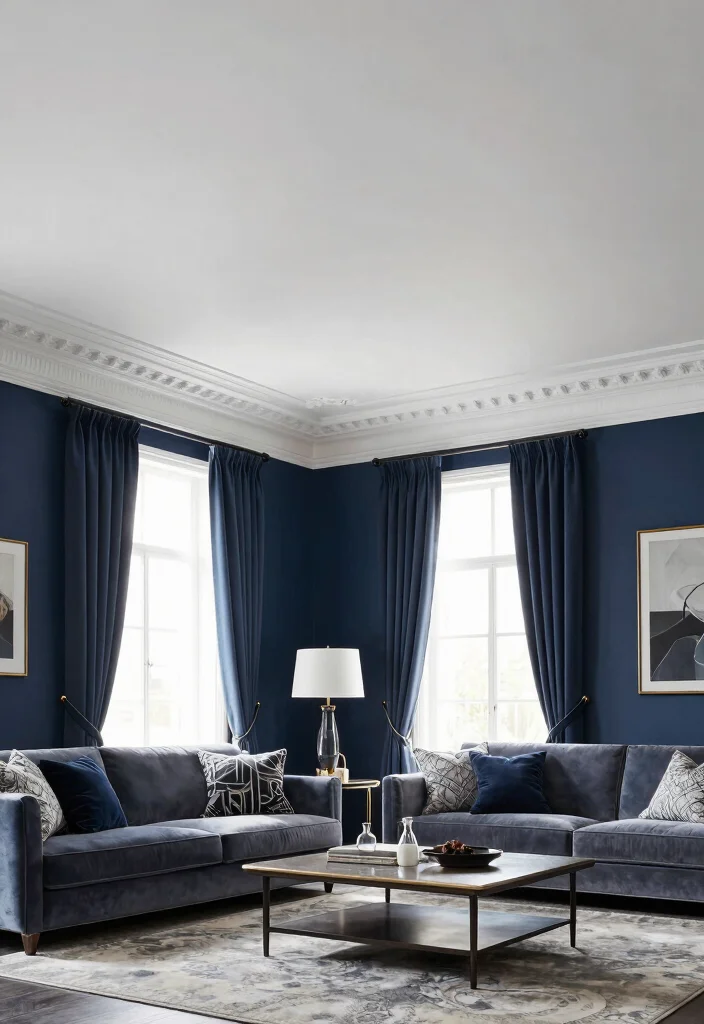
Crown molding remains a quintessential element in classic home design, known for its elegant curves and clean lines. This finishing touch creates a graceful connection between walls and ceilings, infusing spaces with height and drama. For example, pairing white crown molding with soft pastel walls can enhance the airy feel of a room while also highlighting its architectural beauty.
To make the most of crown molding, consider the size and style of your room. In larger areas, opt for wider and more ornate profiles to make a bold statement, while simpler designs suit cozy spaces. Contrasting paint colors can further accentuate the molding, drawing your gaze upward.
Here are some tips to maximize the elegance of crown molding:
– Select a modern style for a fresh take on tradition.
– Pair it with ceiling medallions for an added touch of opulence.
– Use focused lighting to showcase the intricate details.
– Choose pre-finished options for effortless installation.
This timeless element enhances the overall aesthetic, contributing to a luxurious and inviting atmosphere.

Generous Coverage: 10 pcs of molding trim, each 3.9 ft, totaling 39 ft. Solves the common issue of insufficient quantity for full-room projects. Achieve a consistent look across your home without extra orders

Coverage - Includes 10-pack ceiling crown molding trim, each measuring 56.4" in length, providing an impressive coverage of 564 inch (47 feet) length. Perfect for enhancing both residential and commercial ceiling designs with an elegant touch

Transformative - Art3d pre-cut molding trim adds depth and character to walls, gives traditional elegance with a hint of contemporary refinement
2. Boxed Beam Ceilings
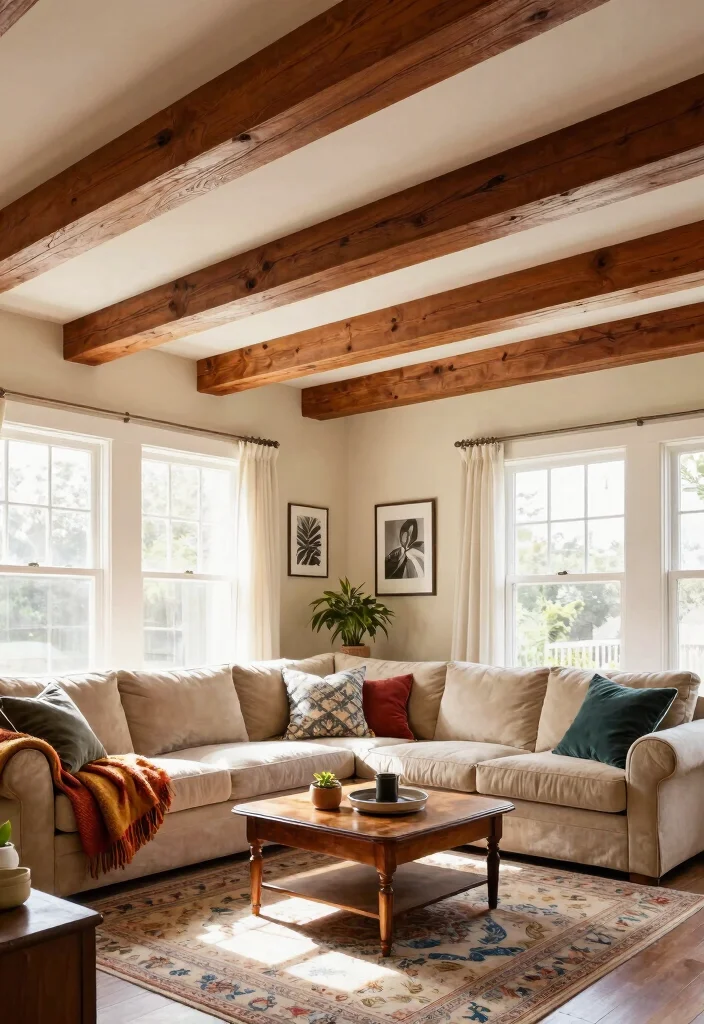
Boxed beam ceilings introduce depth and character to your living space, making them a standout architectural feature. These beams, whether stained or painted, evoke a cozy, rustic feel while maintaining a classic aesthetic. Using natural wood can add warmth, while painted finishes lend a more modern touch.
The adaptability of boxed beams allows them to fit seamlessly into both traditional and contemporary designs. In a living room, layering beams can create a visually stunning effect, especially in rooms with high ceilings.
Consider these ideas for incorporating boxed beam ceilings:
– Choose a color that harmonizes with wall tones for a cohesive look.
– Layer beams for added drama in spacious areas.
– Integrate recessed lighting to cast a soft glow.
– Pair with rustic decor for an enhanced aesthetic.
Boxed beam ceilings not only elevate the visual appeal but also invite conversation, making your living room feel warm and welcoming.
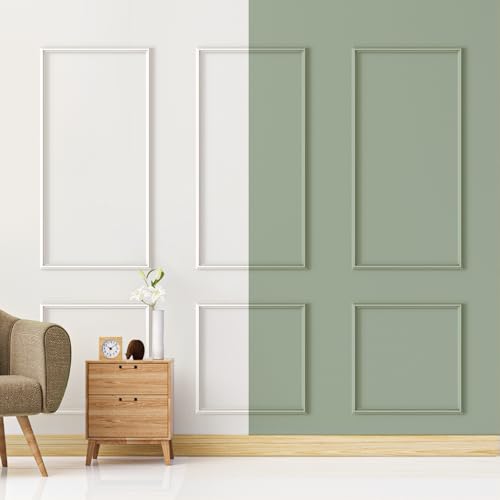
[Transformative Interior Decoration]: Our pre-made wall moulding kit effortlessly adds depth and character to your wall, blending contemporary minimalism with classic design. Elevate your interior wall with timeless elegance
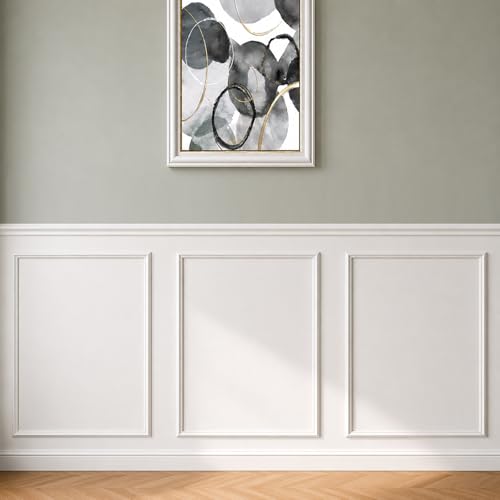
Pre-cut Wall Molding Kit : Our wall moldings include 6 pieces of 24 inch decorative strips and 6 pieces of 32 inch decorative strips.Can be freely matched according to your needs,bringing an elegant finished appearance to doors or walls

What You Will Receive: you will receive 3 set of pre cut wall decorations with half round arches, there are a total of 10 pcs; It is thick and wide, giving it a more three dimensional appearance like a double layered structure
3. Chair Rail Molding for Style and Function
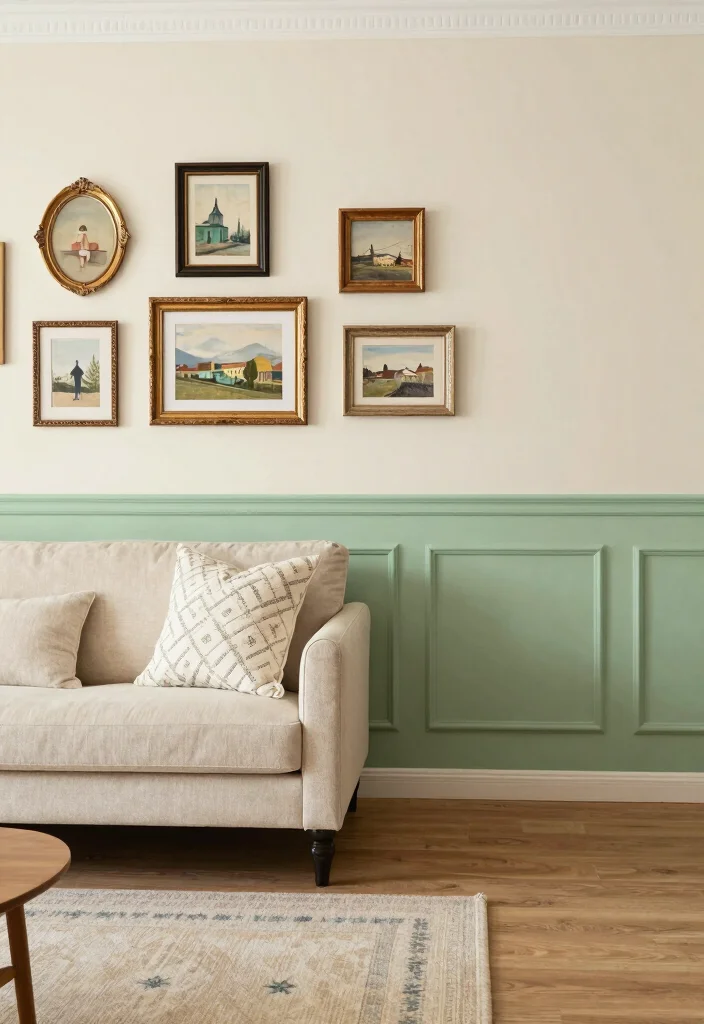
Chair rail molding serves both aesthetic and practical purposes in your living room. Positioned about 30 to 36 inches from the floor, it acts as a visual divider while protecting walls from wear and tear. This feature can create a more spacious feel by breaking up large wall areas.
Playing with color can bring chair rail molding to life. By painting the upper and lower sections in contrasting shades, you can craft a dynamic look that adds interest.
Here are some creative ideas to enhance chair rail molding:
– Use it as a base for wallpaper, adding patterns without overwhelming.
– Incorporate wainscoting below for extra texture.
– Paint the rail a bold color to highlight room features.
– Maintain consistent height throughout connected spaces for cohesion.
This dual-purpose molding can transform your living room into a sophisticated sanctuary while providing valuable protection.
Did you know chair rail molding, a key part of molding on walls living room, is typically placed 30 to 36 inches from the floor? This simple detail protects walls and visually expands space in the living room.

Easy Installation: Installation is a snap with our simple 3-step process: cut, peel, and stick. It's quick, effortless, and requires no special tools

Effortless Installation — Experience the simplicity of our 3-step installation process: simply cut, peel, and stick. It's a swift, hassle-free process.

DIY Installation Made Easy: Cut, peel, and stick in just 3 simple steps. No special tools required. Effortless installation for a quick and hassle-free experience.
How To Choose Molding for Your Living Room
Choosing the right molding for your living room can enhance its aesthetic appeal and reflect your personal style. Here are some key factors to consider when making your selection.
1. Style Compatibility
Start by determining the overall style of your living room. Are you going for a classic, vintage look, or something more modern? Crown molding typically works well in traditional spaces, while flat, sleek options suit contemporary designs. Look for styles that complement your existing decor to create a cohesive look.
2. Material Selection
Molding comes in several materials, each with its own benefits. Wood is durable and provides a classic feel, while polyurethane offers a lightweight and moisture-resistant alternative. PVC is another option that is both affordable and easy to install. Decide based on your budget and the room’s environment. Make sure to consider how the material will react to humidity, especially in areas like living rooms that may be near outdoor spaces.
3. Size Matters
The size of the molding is crucial for balance in your living room. Larger rooms can handle wider moldings, while smaller spaces benefit from narrower options. Generally, a rule of thumb is to choose molding that is about one-tenth the height of the room. For example, if your ceiling is 10 feet high, aim for molding that is 6 to 8 inches wide. This proportion helps maintain visual harmony.
4. Color and Finish
Color plays a significant role in how molding is perceived in your living room. White or off-white is classic and can make your space feel taller. Darker shades add drama and elegance. Consider painting the molding in a color that contrasts with your walls for added interest. Finish options like matte or glossy can also affect the overall vibe, so choose one that aligns with your decor style.
5. Installation Complexity
Not all moldings are created equal in terms of installation. Some require professional help, especially intricate designs or custom options. If you’re a DIY enthusiast, opt for simpler styles that can be installed with basic tools. Look for ready-to-install kits that include adhesive or pre-made corners to make the process easier.
6. Budget Consideration
Molding prices can vary widely based on material and complexity. Set a budget before you start shopping. Don’t forget to factor in installation costs if you plan to hire a professional. There are many beautiful options at every price point, so find a balance between quality and cost that works for you.
Pro Tip: Always order a little extra molding to account for mistakes or miscalculations during installation. This can save you from running out mid-project and ensure a seamless finish.
By considering these factors, you will feel confident in choosing the perfect molding for your living room that not only enhances its beauty but also complements your personal style.
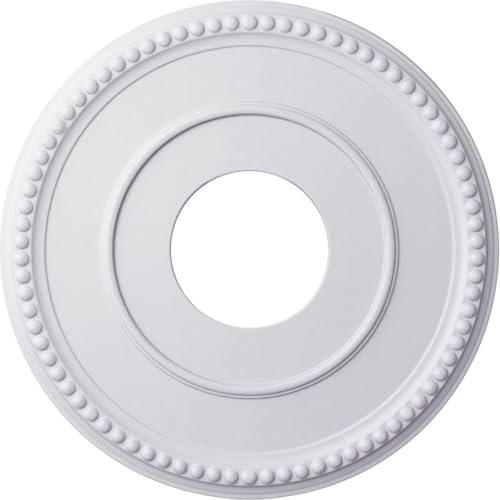
Dimensions: 12-1/2 in. Outside Diameter x 3-7/8 in. Inside Diameter x -3/4 in. Projection x 6-5/8 in. Canopy

Size: 9.8"OD x 4"ID x 0.94"P, White (Fits Canopies up to7-1/4"); Material: Polyamide; Color: White ;Package includes: ceiling medallion X 2, Instructions in one box.

Package Contents: Our package includes 4 white ceiling corner decor featuring an exquisite pattern design. These ornaments will add an elegant and charming European style to your home, creating a captivating backdrop for ceiling fans and light fixtures
4. Wainscoting for Texture and Character
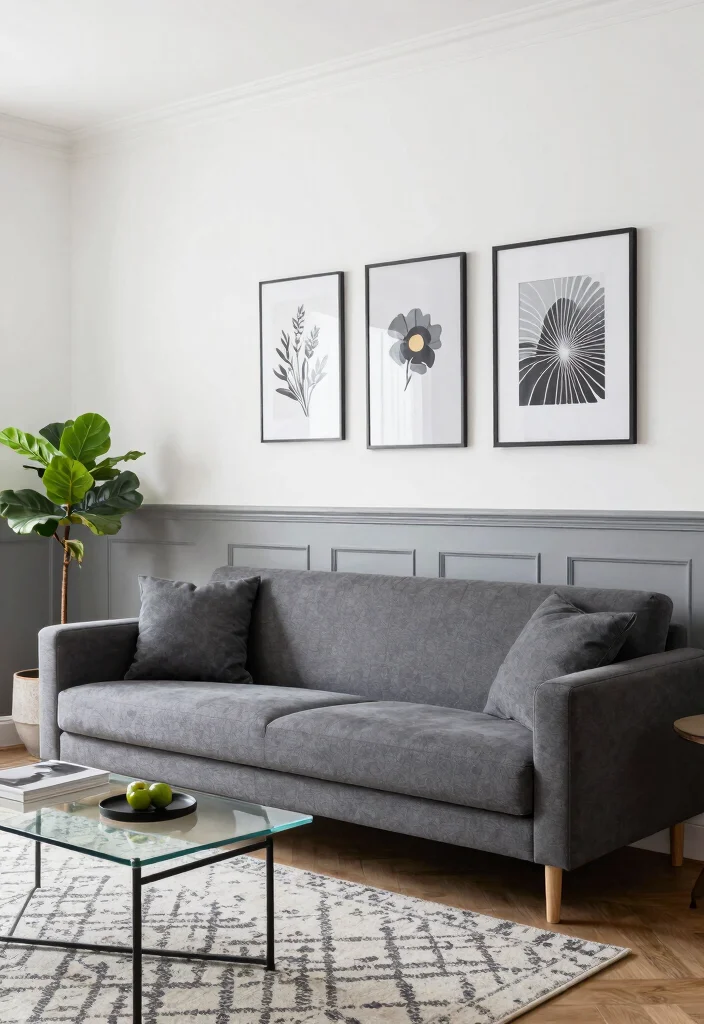
Wainscoting is a classic design element that infuses texture and character into your living room. Typically covering the lower third of the wall, it can be crafted from wood or other materials, painted in various hues, or left natural for a rustic charm.
This feature breaks up large wall expanses, drawing attention to decor and furniture that might otherwise fade into the background.
To effectively integrate wainscoting into your space, consider these tips:
– Opt for a bold color to contrast with lighter walls.
– Combine it with crown molding for a polished finish.
– Experiment with varying heights for dramatic effect.
– Use decorative paneling for a more intricate design.
Wainscoting elevates your living room’s aesthetic while adding warmth and sophistication, creating a welcoming environment.

Pre-Cut & Mitered Molding Strips to Build 4 Picture Frames: This kit includes pre-cut wall molding strips with precision mitered corners. The long and short pieces are designed to be assembled into four 16" x 24" decorative picture frames for wall paneling and wainscoting projects

Wall Molding Kit: you will receive 3 sets of pre-cut peel and stick molding for walls, a total of 12 pieces, which can be easily matched and connected to give a sophisticated look to a door or wall, meeting your various decoration needs

Wall Molding Kit: you will receive 3 sets of pre-cut peel and stick molding for walls, which can be easily matched and connected to give a sophisticated look to a door or wall, meeting your various decoration needs
5. The Charm of Vintage Molding Designs
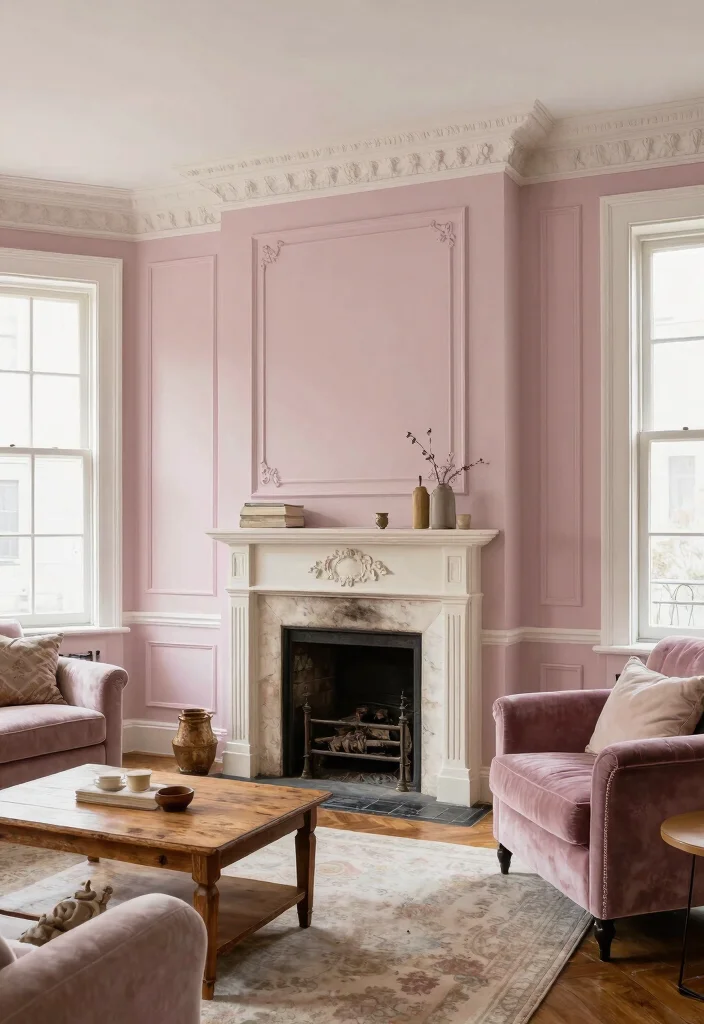
Incorporating vintage molding designs can infuse your living room with nostalgia and charm. Intricate cornices and decorative friezes breathe life into your decor, telling a story of the past while harmonizing with modern furnishings.
The versatility of vintage moldings allows them to blend seamlessly with contemporary styles, crafting an eclectic yet harmonious atmosphere.
Consider these tips for utilizing vintage moldings:
– Mix vintage pieces with modern furniture for a unique aesthetic.
– Highlight a vintage mantel with decorative moldings for a focal point.
– Frame artwork with vintage designs to complement the overall decor.
– Elevate corners with decorative brackets for added flair.
These timeless details enhance warmth and character, making your living room feel truly special.
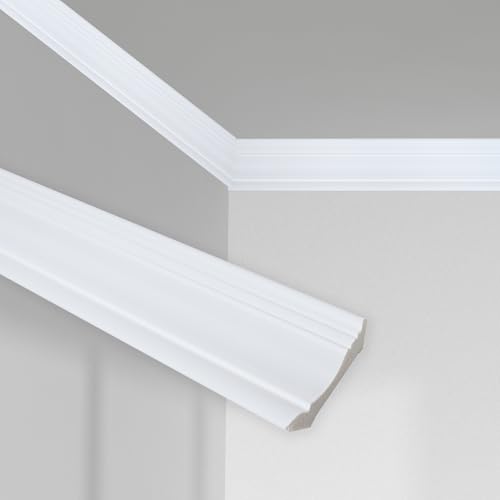
Comprehensive Coverage: You will get 6 pieces crown mouldings, each 56.7" by 3.6", covering 340" (or 28.3' long). It's a solid choice for decorativing ceiling areas


CEILING COVE LIGHTING MOLDING: This ceiling cove lighting molding is designed for wall-to-ceiling transitions, helping create a cleaner ceiling edge and a more refined decorative look. It works well in modern indoor spaces where a simple ceiling detail can make the room feel more finished.
6. Simple Flat Molding for a Clean Look
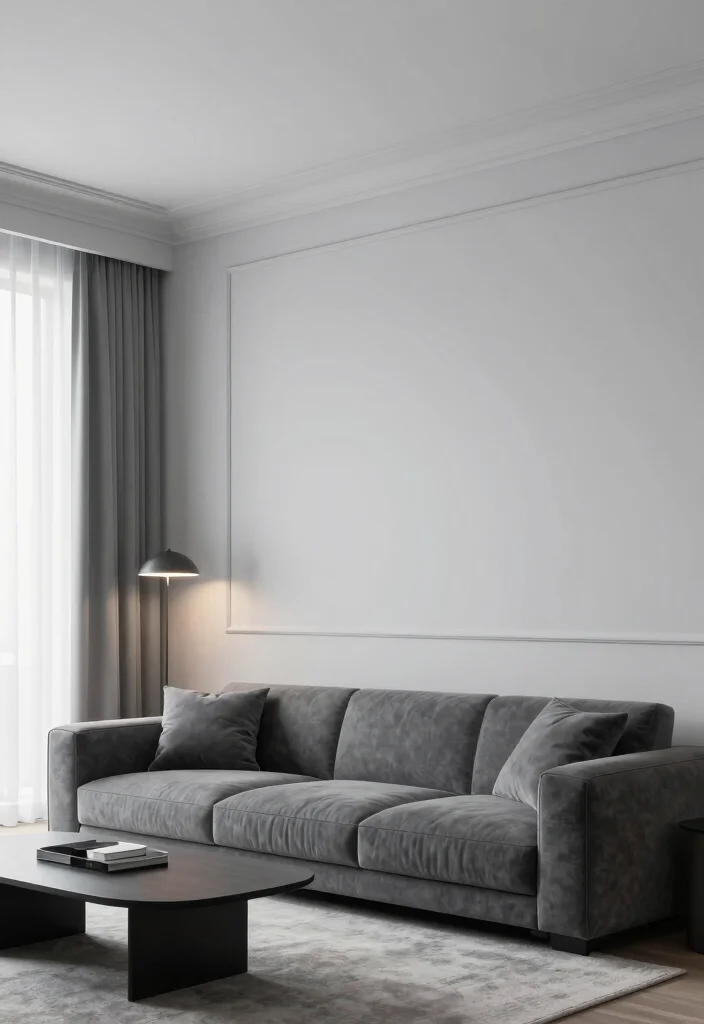
For a minimalist aesthetic, simple flat moldings provide a clean and sleek finish. These unobtrusive designs blend effortlessly into the walls, allowing other elements to shine. Their versatility comes from various widths and finishes, making them adaptable to any decor style.
To maximize the impact of flat moldings, consider these suggestions:
– Choose a subtle finish that complements your wall color.
– Use them to create crisp lines defining spaces in an open floor plan.
– Opt for a matte finish for a more understated appearance.
– Pair with modern furnishings to maintain a streamlined vibe.
Flat moldings suit contemporary interiors perfectly, offering just enough detail to enhance the space without overwhelming it.

All-in-One Design - Package of 21 premade molding trim slat + 2 decorative edge strip create instant board & batten walls

High-Quality Polystyrene Wall Panels: Crafted from durable polystyrene, RDUIGT peel and stick wall molding trims feature a moisture-proof surface that resists curling, ensuring a long-lasting and elegant decorative solution

Save Time & Money: Transform any space with preassembled wainscoting panels that install in minutes. A simple, affordable way to add designer-quality wainscot paneling to walls or doors.
7. Decorative Cornices for Window Treatments
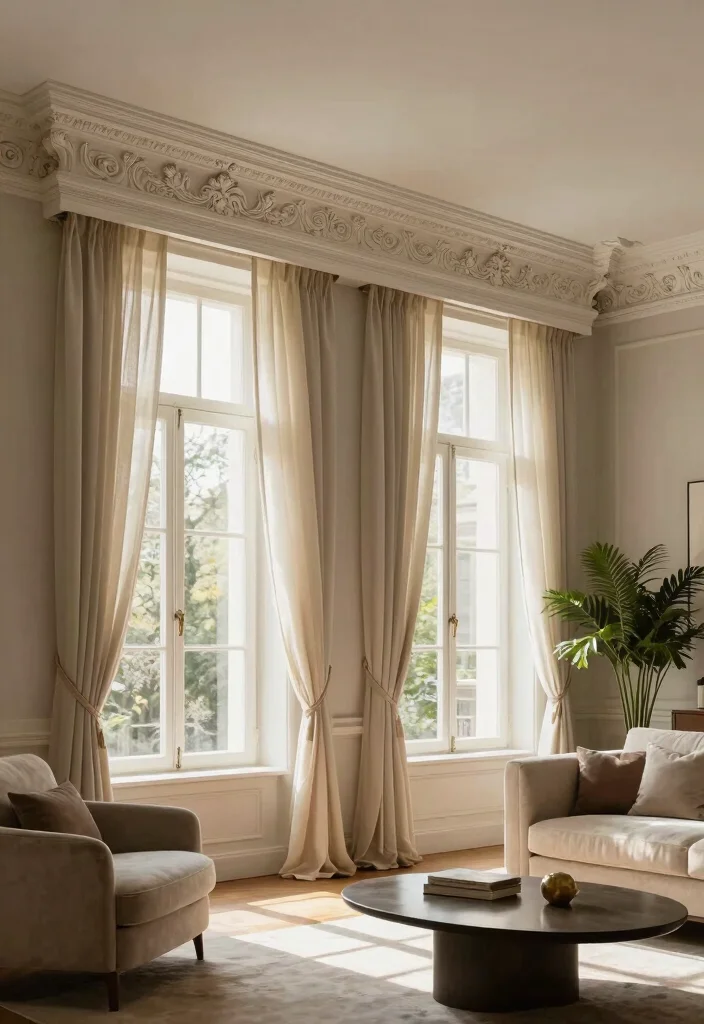
Decorative cornices are an elegant enhancement to your window treatments, framing curtains or blinds while concealing hardware. Made from wood or fabric, they can add height and style, making windows appear larger and more sophisticated.
Incorporating cornices can elevate the design of your living room.
Here are some tips for using decorative cornices:
– Match the cornice style to your overall theme for cohesion.
– Fabric-covered options can provide warmth and texture.
– Paint wood cornices to contrast with window treatments.
– Add LED lighting underneath for a soft glow.
By integrating decorative cornices, your windows can become a stunning feature, enhancing the overall visual appeal of your space.

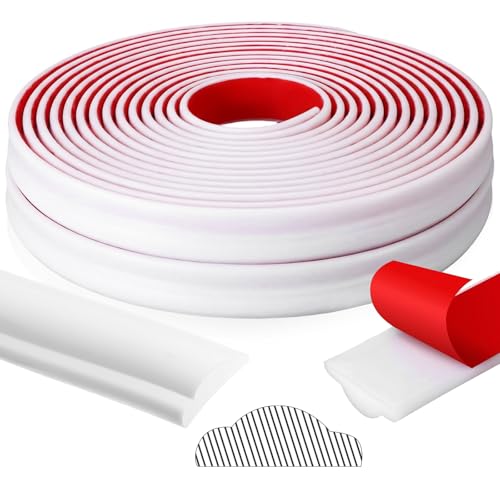
Generous Size: the package includes 1 roll of peel and stick chair rail panel molding, measuring about 32.8 ft x 1.1 inches/ 10 m x 2.7 cm, which provides you with adequate length to cover large areas; Additionally, its width adds a delicate and well defined edge to most applications, enhancing your decor with minimal effort

【Material and Appearance】Wall peel and stick molding trim is made of flexible TPE material, which are reliable. It can be used and not easy to fade after installation. Note: not paintable
8. Modern Baseboards for a Fresh Finish
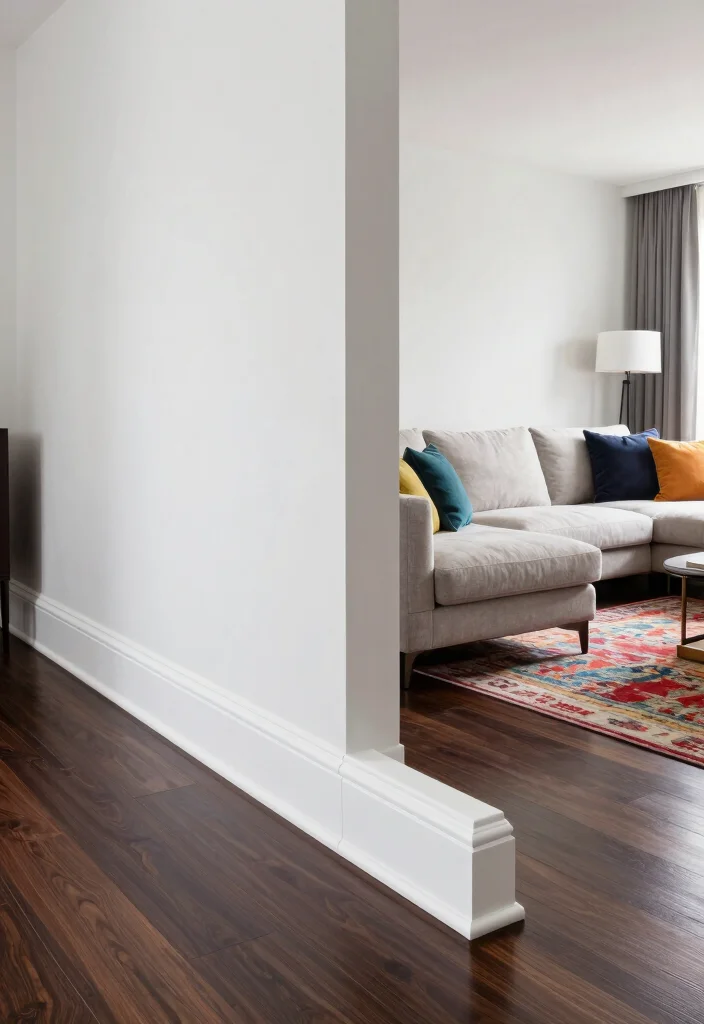
Baseboards often go unnoticed, yet they can dramatically influence your living room’s design. Modern baseboards, with their clean lines and simple profiles, serve as the perfect finishing touch to unify the space.
Choosing the right baseboard can create a seamless transition between floors and walls, grounding your design.
Consider these tips to maximize modern baseboards:
– Select a height that fits your room’s proportions for impact.
– Use contrasting colors for a contemporary twist.
– Incorporate LED lighting for subtle illumination.
– Ensure they are caulked and painted for a polished finish.
Modern baseboards can enhance cohesion and elevate the overall design of your living room.

PREMIUM POLYURETHANE BUILD – Made from high-density urethane foam, this recessed light trim is lightweight yet strong, resisting cracking, warping, and peeling for long-lasting performance.

What You Will Get: the package comes with 1 pack of PU ceiling medallions for light fixtures and ceiling fans, enough quantity that can satisfy your daily use and replacement needs. The best diameter for adapting lamps is less than 5 inches

Package includes: 2 x ceiling medallion in one box an instruction manual. Material: Nylon; Color: White;
9. Decorative Friezes for Unique Appeal
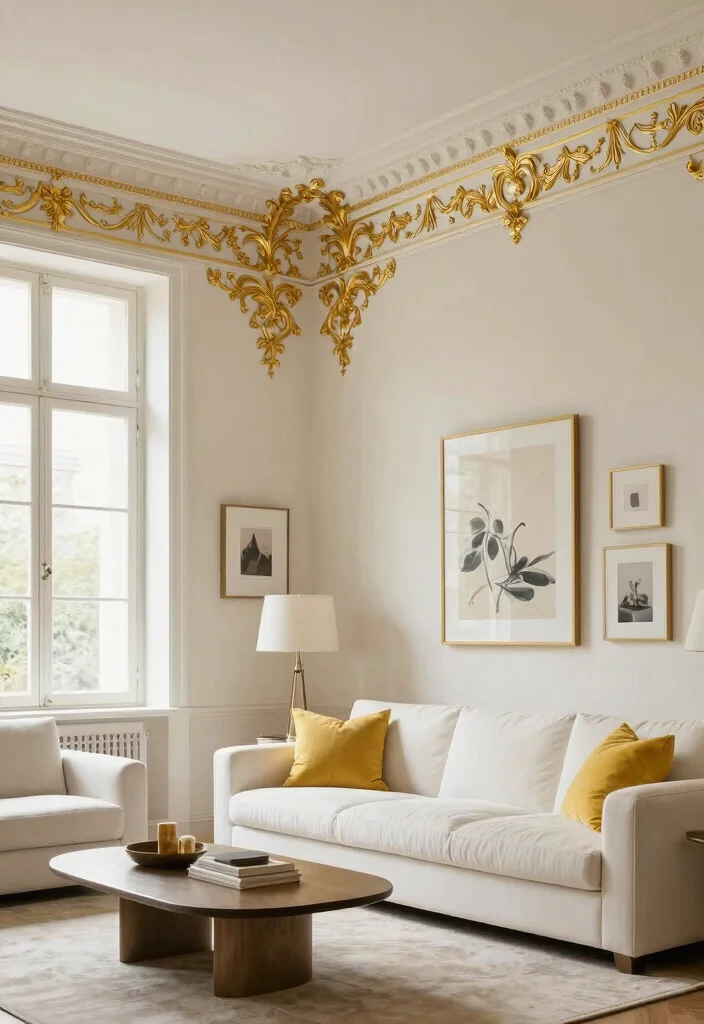
Decorative friezes, situated below crown molding, add an exquisite touch to your living room’s design. These elements introduce intricate patterns and motifs, enhancing the overall aesthetic without overwhelming the space.
Perfect for those wanting to make a statement, decorative friezes can elevate your decor.
To effectively incorporate friezes, consider these tips:
– Choose a pattern that aligns with your style, whether floral or geometric.
– Paint the frieze to complement or contrast with the molding.
– Use friezes to draw the eye upward in rooms with high ceilings.
– Pair with minimal furnishings to maintain a clean look.
Adding decorative friezes can infuse character and sophistication, creating a unique visual narrative in your living room.

Easy DIY Installation: Our peel and stick wall molding features a strong self-adhesive backing that makes installation quick and effortless—no cutting, drilling, or special tools required. Simply peel, stick, and press to upgrade your accent wall instantly

Three Sets of Sufficient Quantity Combination: you will receive 3 sets of pre-cut wainscoting trim panels, a total of 30 pieces, which can be applied independently or combined to meet different wall sizes and shape requirements; Easily achieve a variety of layout options from partial decoration to full wall upgrades, bringing an overall unified visual improvement to the space

Wall Molding Kit: you will receive 6 sets of pre-cut peel and stick molding for walls, which can be easily matched and connected to give a sophisticated look to a door or wall, meeting your various decoration needs
10. Layering Molding for Depth
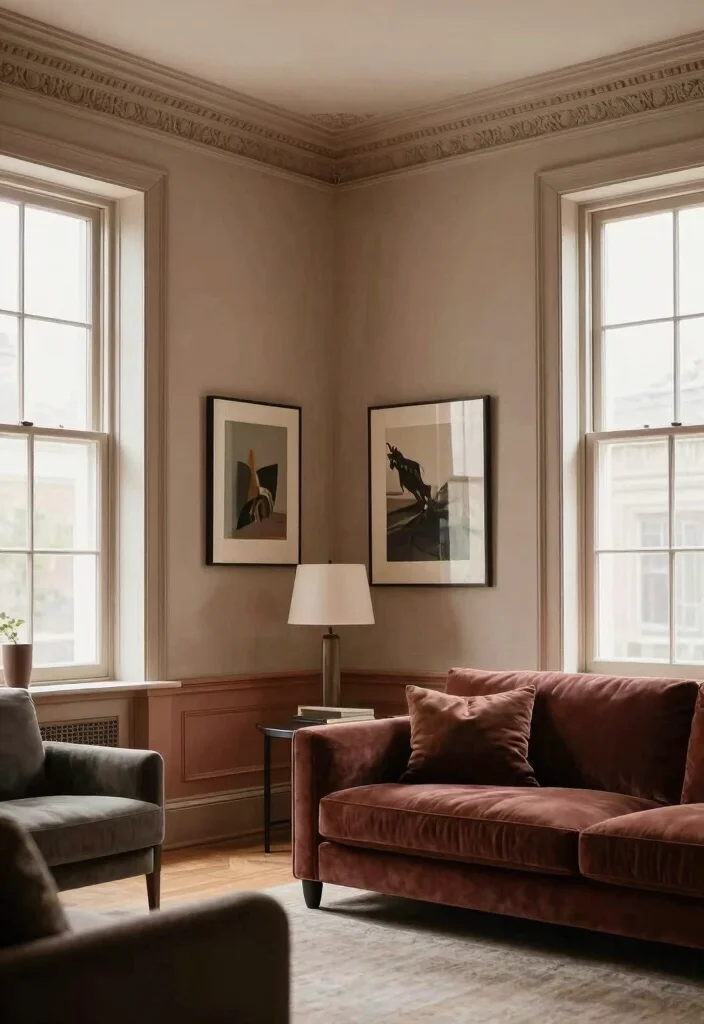
Layering different types of molding can create a visually captivating effect in your living room. By combining crown molding, baseboards, and chair rails, you can add depth and dimension that elevates the overall design.
This technique allows for playful experimentation with styles, colors, and textures, resulting in a personalized look.
Here are some ideas for effective layering:
– Start with a solid baseboard and layer contrasting chair rails and crown molding.
– Choose diverse profiles for visual interest, like classic and modern combinations.
– Paint layers in complementary colors for a cohesive yet defined look.
– Experiment with varying heights and widths for an eye-catching design.
Layering molding showcases your creativity, transforming your living room into a dynamic and engaging space.
11. Accent Walls with Molding Details
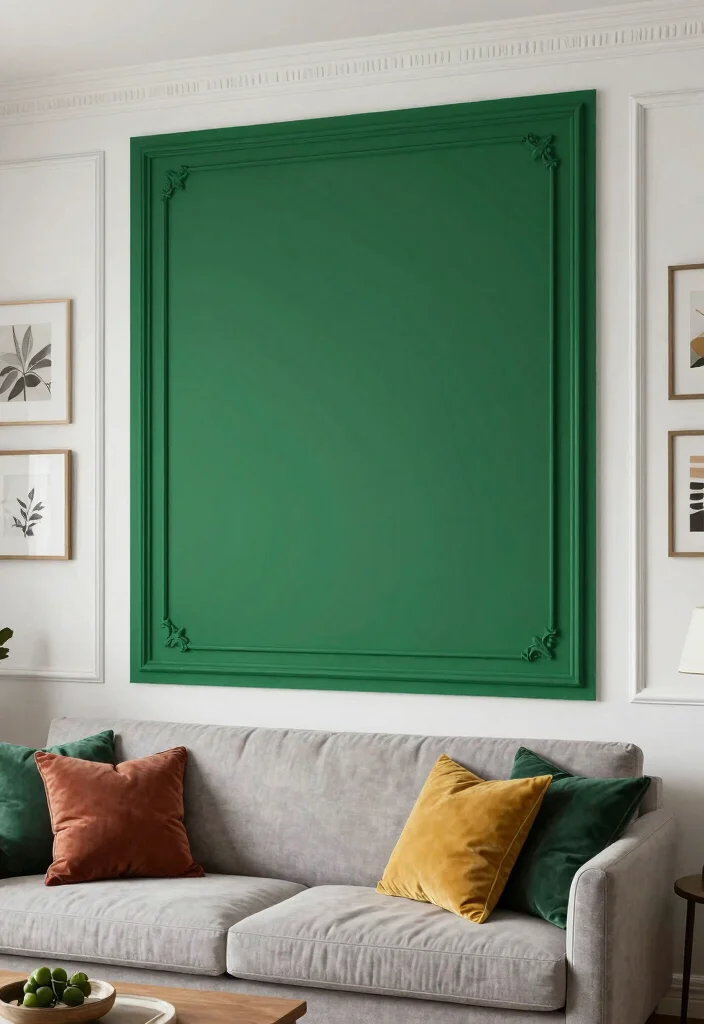
Accent walls offer a fantastic opportunity to introduce bold colors or patterns into your living room, and adding molding can elevate this trend. Framing an accent wall with moldings creates a stunning focal point that captures attention.
Here’s how to craft an accent wall with molding:
– Select a vibrant color or patterned wallpaper for the feature wall.
– Frame it with chair rail or border molding for definition.
– Use various types of moldings around the edges for added texture.
– Enhance features with lighting to create an inviting ambiance.
An accent wall with molding can beautifully reflect your style while enriching the character of your living room.
12. Utilizing Molding to Define Spaces
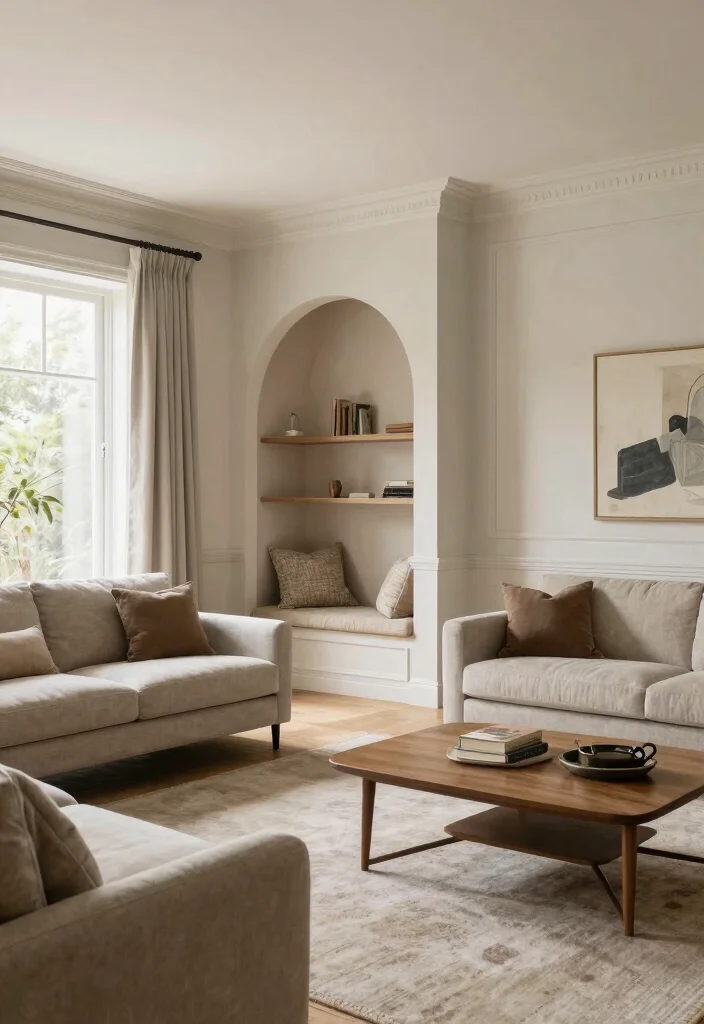
In an open-concept living room, molding can serve as a powerful tool to delineate different areas without erecting walls. Strategic placement of molding can visually separate spaces for conversation, dining, and relaxation.
Here’s how to effectively use molding for defining spaces:
– Implement taller baseboards to establish boundaries between areas.
– Introduce a chair rail to separate a cozy nook from the main room.
– Add crown molding above each defined space to elevate them visually.
– Use varied paint colors or textures in conjunction with molding for further distinction.
Utilizing molding to define spaces enhances functionality while maintaining an open and airy feel in your living room.
13. Molding for Custom Built-Ins
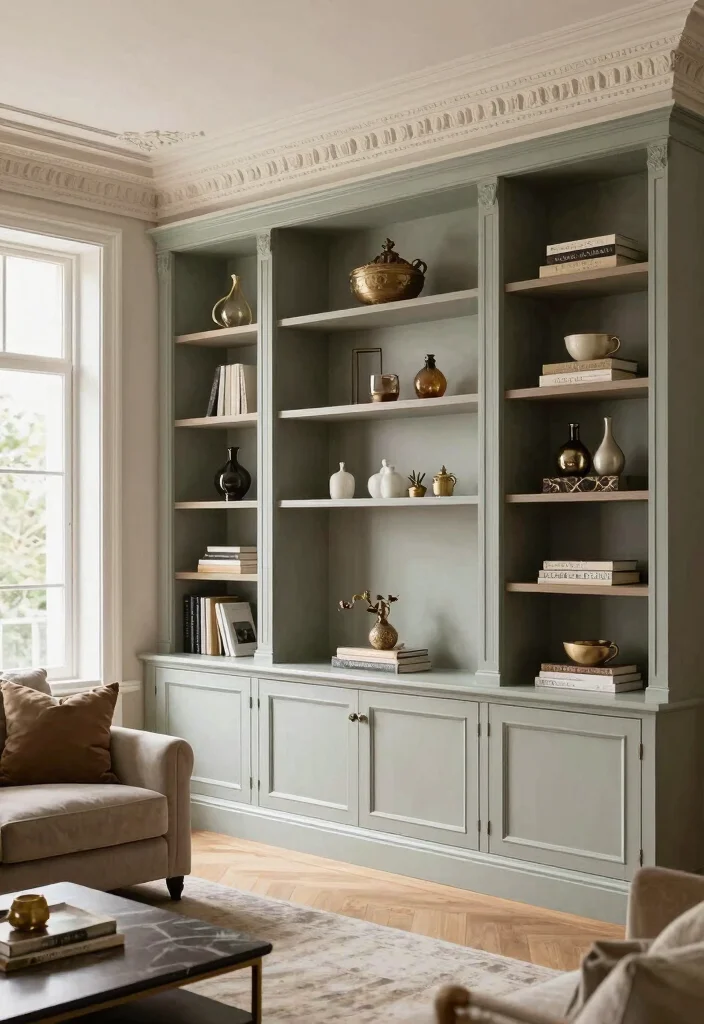
Custom built-ins enhance functionality in your living room, and incorporating molding details can elevate their design. These built-ins provide storage while showcasing decor, books, or art.
Here are some suggestions for adding molding to custom built-ins:
– Crown molding can cap off the top, giving a polished appearance.
– Incorporate paneling on the sides for added texture.
– Consider backlighting shelves to highlight features and create ambiance.
– Use contrasting colors to make the built-in pop against the wall.
Molding can transform built-ins into eye-catching focal points, adding character and interest to your living room.
14. Creating Architectural Focal Points
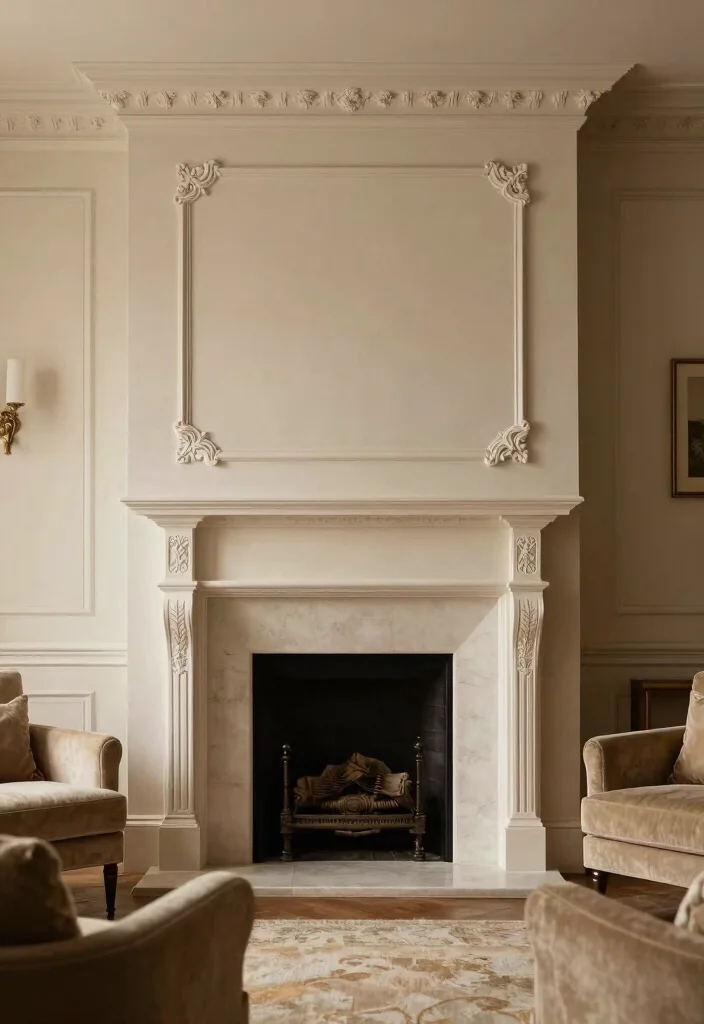
Architectural focal points, such as fireplaces or mantels, can be enhanced with molding to create stunning centerpieces in your living room. These design elements draw attention and can define the room’s overall style.
Here are some ways to emphasize focal points using molding:
– Frame the fireplace with elaborate molding for an impressive presence.
– Use decorative corbels to support mantels, adding dimension.
– Employ contrasting colors to make the focal point stand out.
– Integrate lighting to highlight architectural features and create ambiance.
Focusing on architectural elements with molding creates breathtaking centerpieces, elevating the entire living room.
15. Mixing Styles for Eclectic Decor
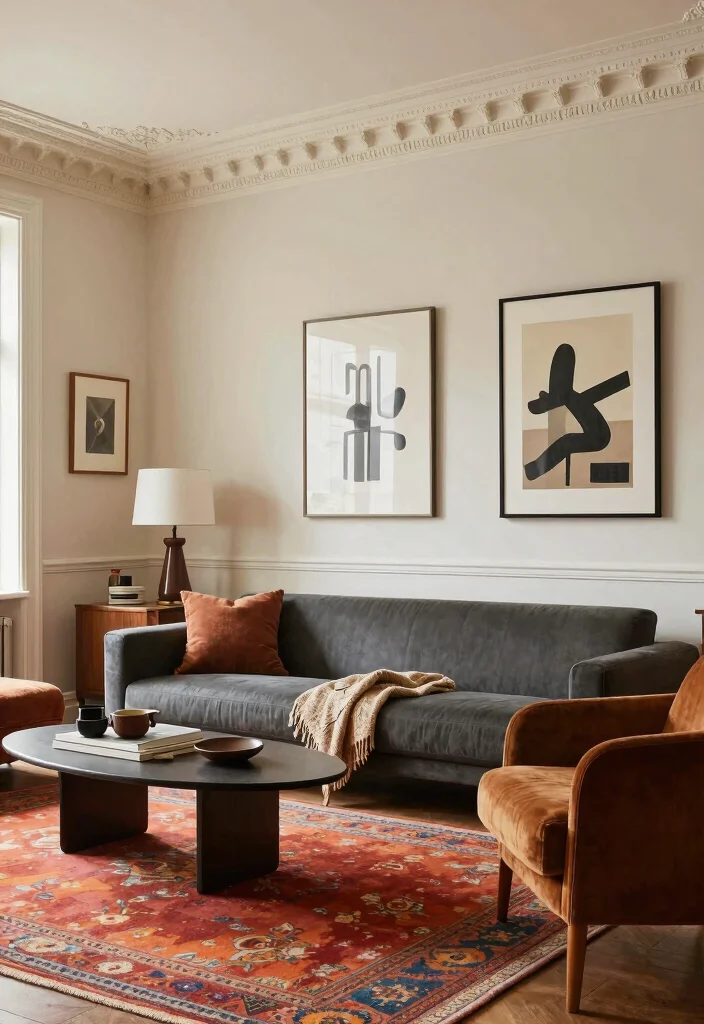
If you appreciate the charm of various styles, mixing different molding designs can cultivate a unique living room decor. Combining classic and modern moldings results in a stylishly eclectic look that reflects your personality.
Here are some tips for mixing styles:
– Pair ornate crown molding with sleek baseboards for contrast.
– Use vintage moldings alongside contemporary furniture for interesting juxtapositions.
– Experiment with colors and textures, like painted moldings against natural wood.
– Ensure a balanced aesthetic where no single style overwhelms the other.
Mixing styles through moldings fosters a dynamic living space that tells a story, blending personal history with contemporary aesthetics.
Fun fact: homes with layered molding in the living room feel 25% larger. Mixing ornate crown molding with sleek baseboards boosts perceived depth and makes your molding on walls living room sing.
16. Textured Molding for Visual Interest
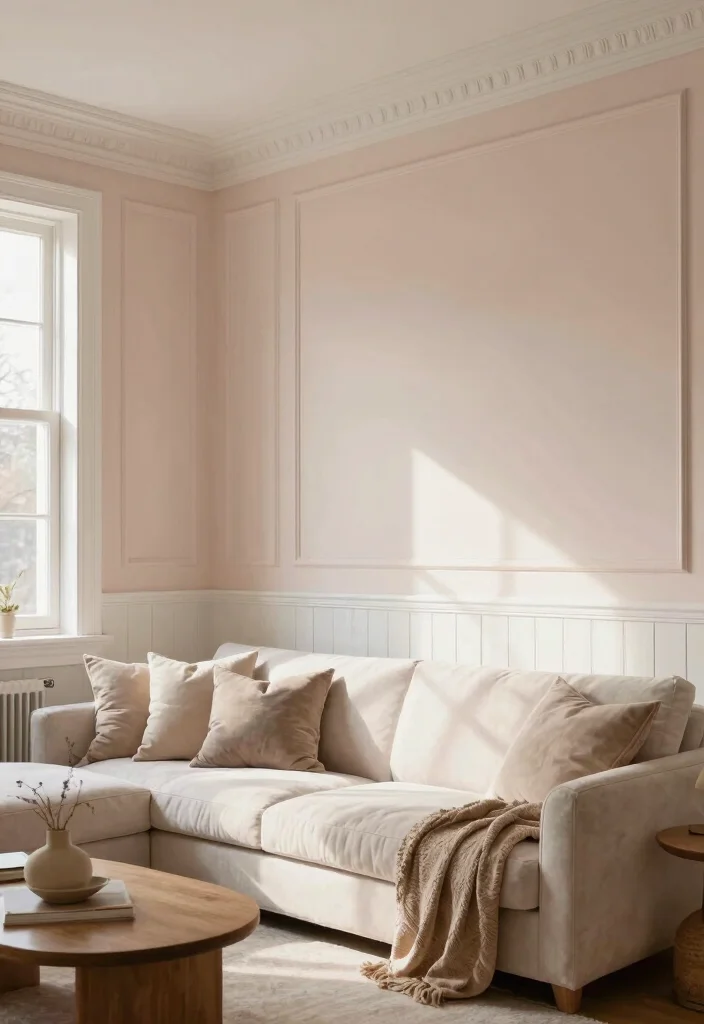
Incorporating textured molding into your living room can create striking visual interest and depth. Designs like beadboard or raised paneling draw the eye and create captivating focal points throughout the space.
Here are some ideas for using textured molding:
– Apply beadboard to the lower wall for a charming, cottage-like feel.
– Use raised panels for a formal look that enhances dimension.
– Experiment with stenciled or painted designs for added flair.
– Mix different textures to create a layered and inviting appearance.
Textured moldings can elevate your living room from ordinary to extraordinary, enriching the design with captivating details.
Did you know textured molding can boost perceived wall depth by up to 30% in your living room? Beadboard lowers the wall visually, while raised panels add formal dimension. Start with beadboard on the lower half for a cozy cottage vibe.
17. Customizing Molding for Personal Touch
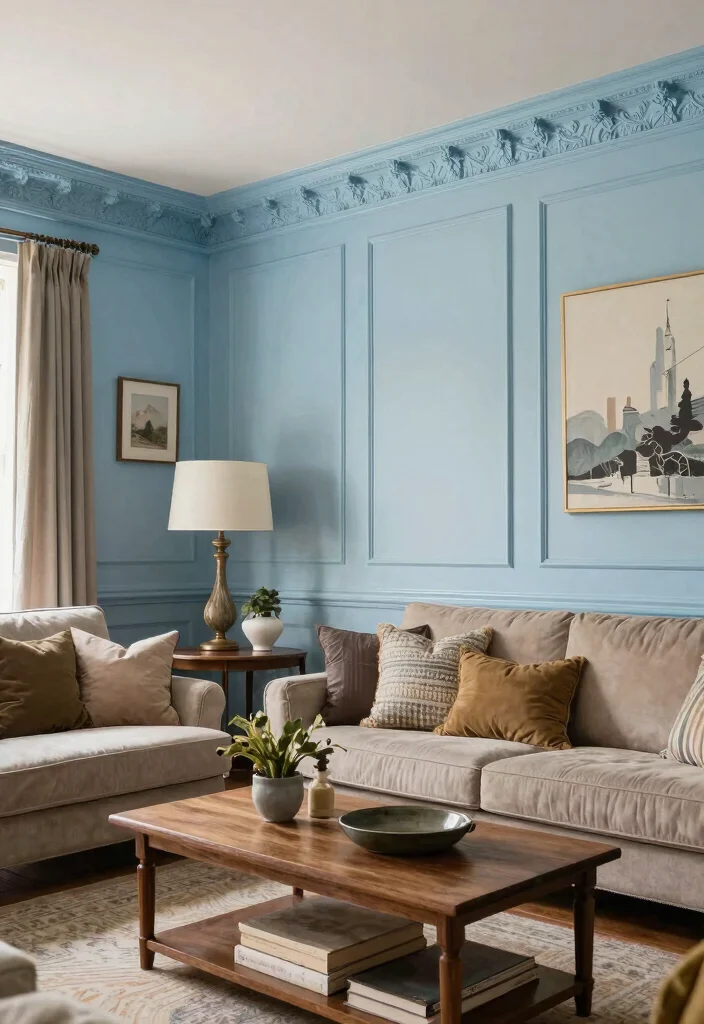
Customizing molding allows you to add a personal touch to your living room design. Whether you opt for unique profiles, custom colors, or personalized finishes, this is a wonderful way to express your style.
Here are some suggestions for customization:
– Choose profiles that reflect your taste, such as curved or angular designs.
– Experiment with bold colors or two-tone finishes for impact.
– Incorporate personal motifs or engravings that tell your story.
– Consult a professional for quality craftsmanship and installation.
By customizing your molding, you can craft a living room that is truly one-of-a-kind, reflecting your unique personality and design preferences.
Conclusion
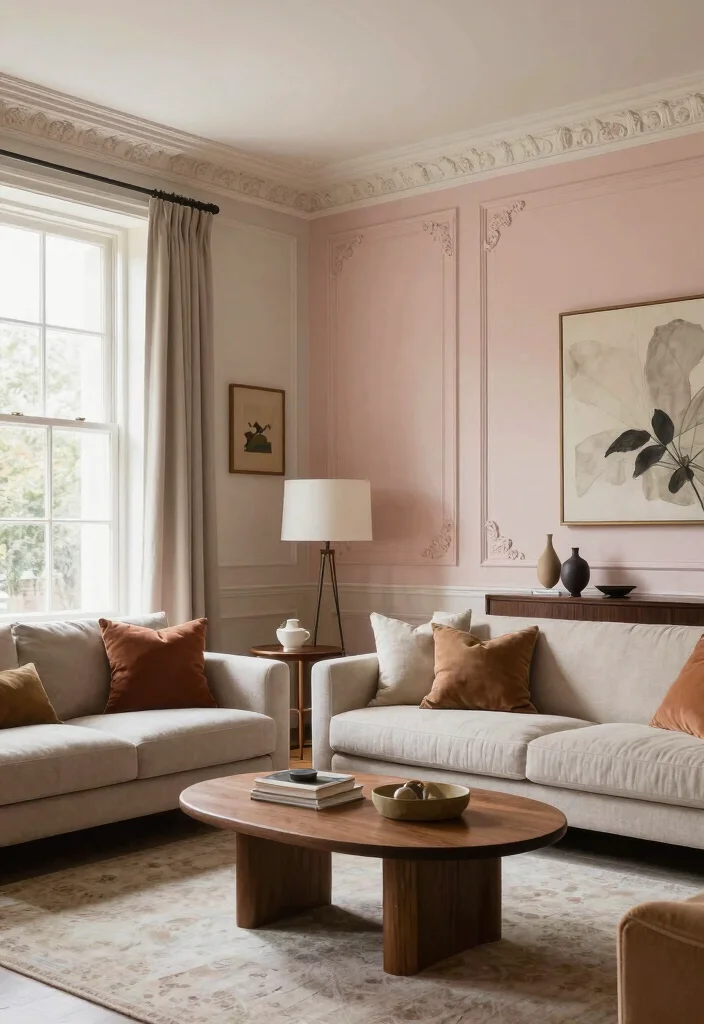
Incorporating molding into your living room design can elevate the overall aesthetic, adding character and sophistication. With various styles to choose from, such as crown molding, wainscoting, or decorative friezes, you have the freedom to express your unique style. It’s all about finding what resonates with you and enhances your living space.
Consider experimenting with different types of moldings or mixing styles for an eclectic look that tells your story. Embrace the charm of classic architecture and let your creativity shine!
Frequently Asked Questions
How do I start with molding on walls living room to achieve a classic look?
Great question for achieving a timeless vibe. Start by planning for proportion and style, focusing on molding on walls living room, crown molding ideas, and wall trim styles that fit a classic look. For many homes, choose a crown profile around 2–3 inches on 8–9 ft ceilings; higher ceilings can carry larger profiles. Decide whether to layer crown molding with a chair rail or wainscoting to add architectural accents. Practical steps: measure ceiling height and wall length, map out the trim layout with painter’s tape, cut miters with a quality saw, nail into studs, fill gaps with caulk, sand smooth, prime, and paint. Choose a warm white or ivory for a timeless classic home decor vibe.
Tip: preview your plan with tape layouts or digital mockups to keep the look cohesive before cutting any pieces.
Which crown molding ideas work well for a vintage cozy living room?
For a vintage, cozy aesthetic, lean into traditional crown profiles like ogee, dentil, egg-and-dart, or bead detailing. These crown molding ideas give character while staying elegant. Pair with warm whites or creamy wall colors to keep the vintage feel. A layered approach—crown plus a picture rail and perhaps a subtle wainscoting panel—works beautifully for architectural accents that feel authentic. Install with a soft shadow line and a satin or semi-gloss finish that’s easy to clean.
Tip: keep the trim color consistent with baseboards for a cohesive classic home decor vibe, and add lighting along the wall to highlight the textures.
How can I mix wall trim styles without making the room look busy?
Mixing trim styles is an art of rhythm, not chaos. Start with one dominant trim and use one or two supporting elements. For example, pair a clean crown molding with a simple chair rail plus a small area of wainscoting—keep the wall panels at a modest height. Keep color, gloss level, and spacing uniform across the room so the eye reads as intentional architecture.
Useful interior design tips: test samples on a section of wall, lay out the profiles with painter’s tape before cutting, and ensure door and window casings align with the trim rhythm. This approach preserves classic home decor without feeling cluttered.
What interior design tips can elevate a living room with molding on walls living room?
Elevate quickly with light, texture, and composition. Use lighting to wash the trim—wall sconces or uplighting can highlight architectural accents and create depth. Choose a color palette that contrasts trim and walls or use a single color family for a refined look. Introduce natural textures (wood, fabric, woven rugs) to warm the space and frame your architectural accents. Place furniture to frame the panels or molding, and hang art so it interacts with the trim rather than competing with it.
Bonus: incorporate a focal point that echoes the molding, like a panelled feature wall or a fireplace surround, to reinforce the classic home decor vibe.
What are common mistakes to avoid when installing molding on walls living room?
Avoid these missteps to keep your project smooth: choosing a crown height that’s out of proportion for your ceiling, skipping proper corner joinery or coping, and failing to align trim with existing door casings. Don’t skip prep—nail holes, gaps at joints, and edge seams should be filled and caulked for a seamless finish. Painting over unprimed wood can lead to uneven color; prime first, then apply at least two coats of paint. Dry-fit pieces before securing, and use a stud finder to anchor trim securely.
Pro tip: maintain clean lines and consistent spacing around doors and windows, and test fit with painter’s tape to avoid surprises once you start cutting.
Related Topics
home decor
classic style
crown molding ideas
vintage molding
architectural accents
wall trim styles
cozy living rooms
interior design tips
easy updates
beginner friendly
traditional decor
elegant interiors