Revamping your living space can feel overwhelming, especially if you live in a small area with limited options. The good news is that you don’t need to paint every wall to make a significant impact. Instead, focusing on a single accent wall can transform your living room from bland to beautiful without overwhelming your senses or your budget. This post is all about exploring the trend of one wall painted living rooms and how you can leverage it to create a stunning focal point in your home.
If you’re a home decor enthusiast, a small space dweller, or just someone looking to refresh your living area, you’re in the right place. You might be searching for ideas that align with current home decor trends, or maybe you want to make your space feel cozier and more inviting. Whatever your motivation, this guide is tailored for you. It’s a collection of 17 inspiring one wall painted living room ideas that are simple yet impactful.
Expect to discover a variety of styles that fit different tastes and preferences. From bold colors that grab attention to soft tones that create a peaceful atmosphere, there’s something here for everyone. You’ll also find tips on how to choose the right color scheme for your living room, along with practical advice for small space design. So, grab your paintbrush and get ready to make a statement with your living space!
Key Takeaways
– One wall painted living rooms provide an easy way to create a focal point without overwhelming a small space.
– Bold color choices can energize your living area while soft tones offer a calming retreat.
– Incorporating different textures, such as wood panels or wallpaper, adds depth and interest to any design.
– Choosing the right color scheme enhances the ambiance of your living room and reflects your personal style.
– Simple painting techniques like color blocking or ombre effects can produce stunning results with minimal effort.
1. Bold and Bright: Fire Engine Red
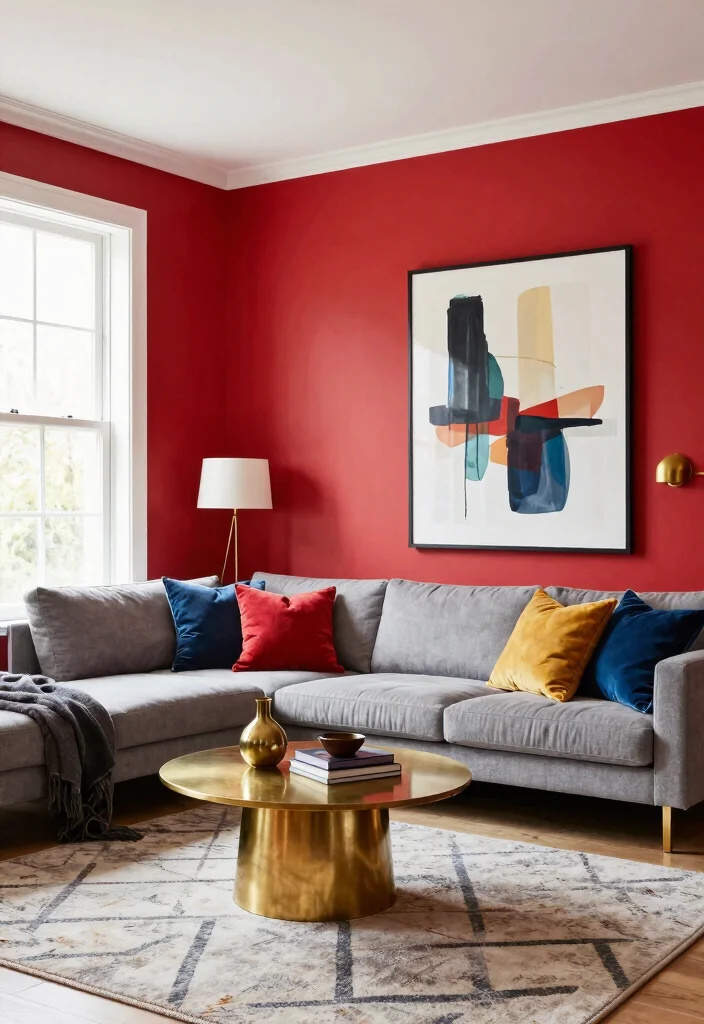
Embrace the energy of a fire engine red accent wall, a choice that instantly turns heads. This vibrant hue injects warmth and excitement into any modern living room, creating an atmosphere that’s both dynamic and inviting. Pair it with neutral furnishings in soft whites or cool grays to strike a perfect balance, allowing the red to stand out without overwhelming the space. Adding metallic accents in gold or brass enhances the richness of the red, creating a luxurious feel.
To make the most of this bold color, ensure your room receives plenty of natural light to soften the intensity. Ground the space with darker rugs or wooden furniture, which can help create a harmonious environment. The result? A lively room that radiates positivity and passion.
Consider these elements to maximize this palette’s potential:
– Utilize glossy paint for a reflective effect.
– Pair with turquoise or teal accents for contrast.
– Limit wall art to keep the focus on the wall.
How to paint:
1. Prepare the wall by cleaning and taping edges.
2. Use a primer for a seamless finish.
3. Apply two coats of high-quality paint for durability.
FAQ:
Q: Will red make my room feel smaller?
A: Balanced with lighter tones, red can enhance depth instead of shrinking the space.

Elevate Your Decor with Customizable Lighting: Our picture lights instantly make your artwork and living space look more elegant and stylish. Choose from 3 color temperatures (3000K/4200K/6500K), 12 RGB colors, and 2 dynamic modes (Flash & Fade) to complement your decor. Give your paintings a gallery-inspired glow with soft white light, or create a vibrant atmosphere with RGB colors for everyday decor and holiday celebrations.

3D Sculptural Visual: Layered metal forms, raised textures and overlapping shapes create visible depth and natural shadow from different angles, giving the wall art a dimensional sculptural look
2. Soft Pastel Oasis
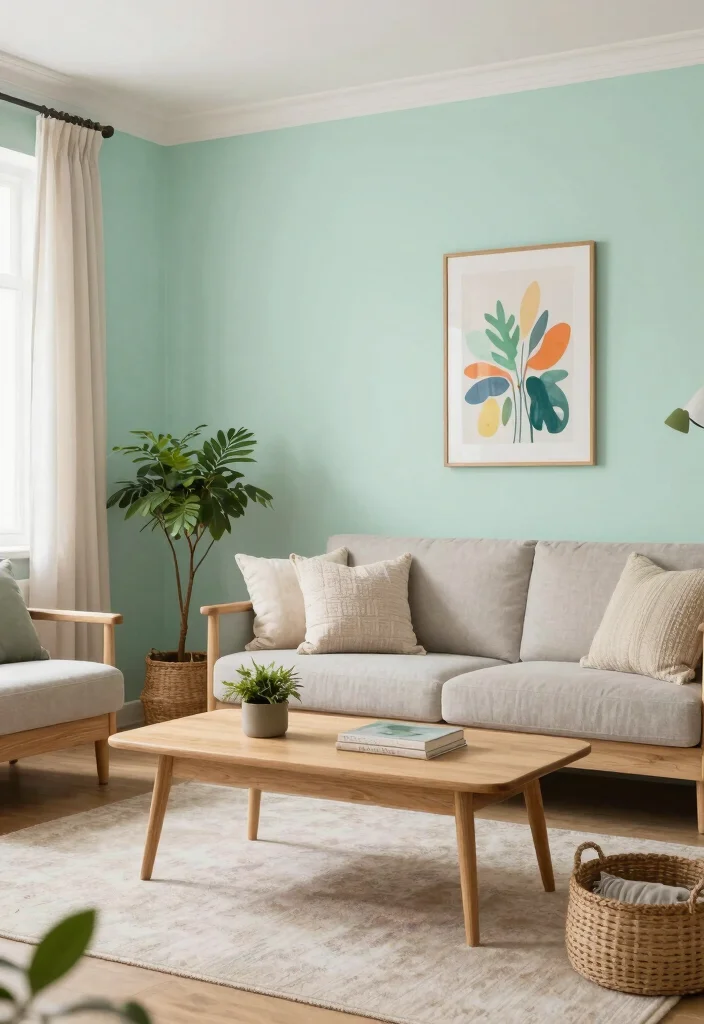
Transform your living space into a serene oasis with soft pastel walls, such as mint green or pale lavender. These gentle colors evoke a calming atmosphere, making them ideal for smaller spaces where relaxation is essential. Pastels reflect light beautifully, contributing to a feeling of openness and airiness.
To enhance this tranquil vibe, incorporate light-colored furniture that complements the pastel tones. Textured pillows can add warmth without cluttering the look. Consider accenting the pastel wall with natural elements like wooden planters or botanical prints to keep the space feeling fresh and lively.
Mixing pastels with white trim can help define the edges of your space, enhancing that airy feel.
Pro Tips:
– Use matte finish for a chic, understated effect.
– Layer different textures for depth, like knitted throws or woven baskets.
– Maintain a cohesive color palette throughout the room.
How to paint:
1. Choose a pastel shade and gather all materials.
2. Tape edges for clean lines.
3. Apply primer for even coverage.
4. Use a roller for smooth application of paint.
FAQ:
Q: Are pastels suitable for all types of decor?
A: Absolutely! They complement both modern and vintage styles.

Ideal for automotive parts exposed to intermittent temperatures up to 600°F

Whether you are restoring, customizing or completely revamping, this leather paint the perfect way to transform boots, jackets, athletic shoes, purses and more

Ideal for automotive parts exposed to intermittent temperatures up to 600°F
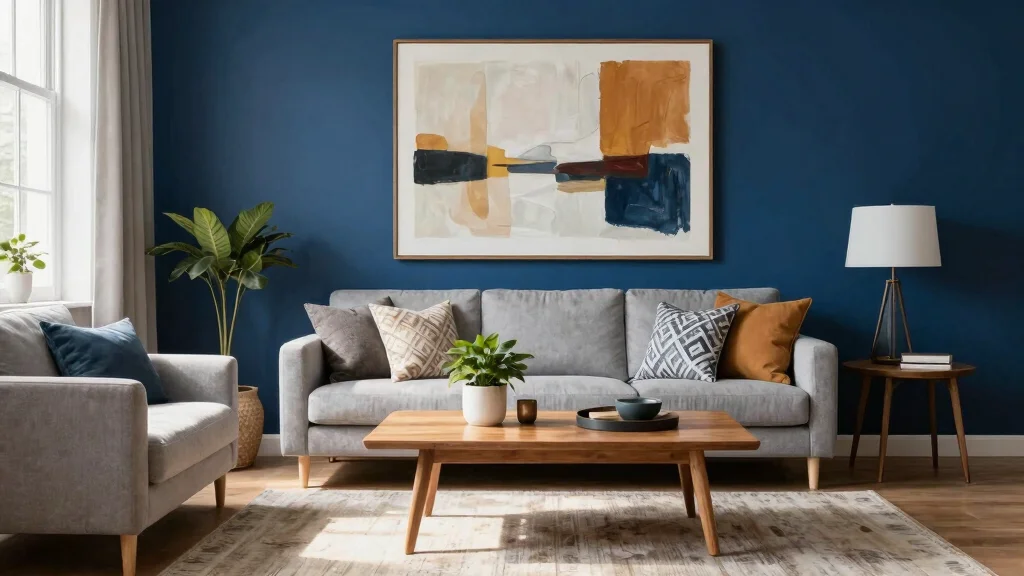
3. Elegant Navy Blue
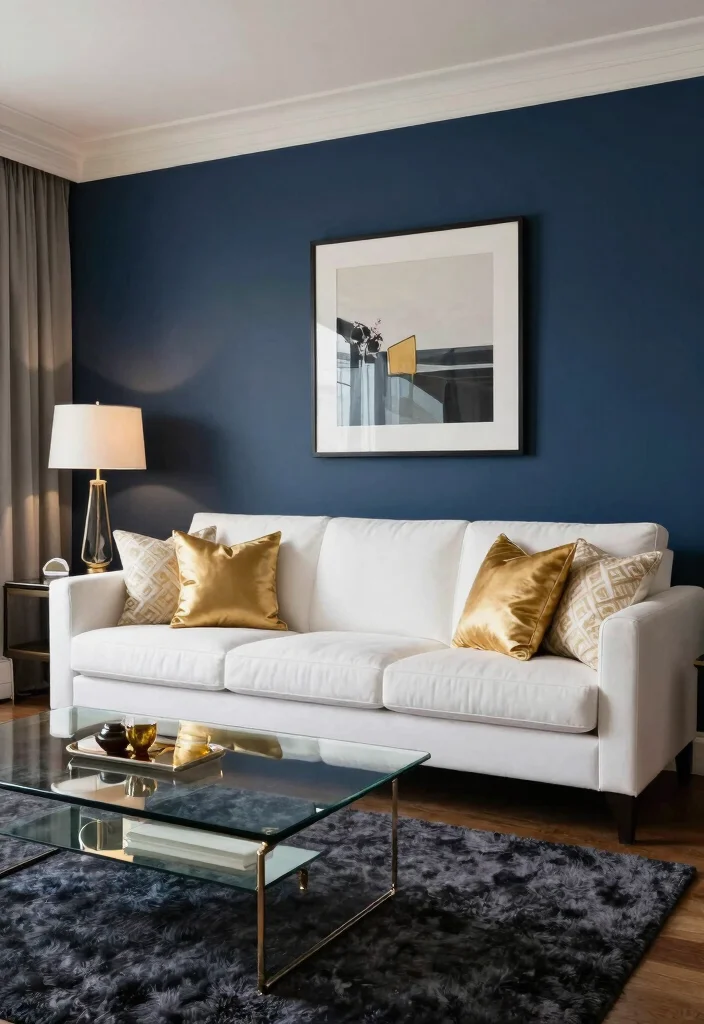
Navy blue stands out as a classic choice for a chic accent wall, offering a sophisticated backdrop that contrasts beautifully with lighter furniture and decor. This deep color creates a modern yet timeless vibe, especially when paired with warm wood tones or cool metallics.
Enhance the look by framing your wall art in gold or silver, which pops against the dark navy backdrop. To keep the design fresh, introduce lighter textiles with patterns that resonate with the navy hue, ensuring a harmonious flow throughout the room. Navy can evoke calmness, making it ideal for relaxing activities.
Design Tips:
– Use glossy finishes to enhance the color’s depth.
– Introduce contrasting colors in decor, like coral or mustard yellow.
– Layer textured fabrics to soften the overall aesthetic.
How to paint:
1. Ensure the wall is clean and dry.
2. Apply painter’s tape to edges for sharp lines.
3. Use a roller and a brush for detailed areas.
FAQ:
Q: Can navy blue make my room feel smaller?
A: With proper lighting and furniture choices, navy can create depth without shrinking the space.

🖼️ [ELEVATE YOUR DECOR WITH TIMELESS ELEGANCE] : Transform your space with captivating modern wall sculptures designed to enhance any room. Crafted with meticulous attention to detail, these pieces effortlessly combine artistry and sophistication, creating a stunning focal point for your home decor.

Sophisticated Neutral Palette: Designed with a high-end neutral color palette, these covers blend warm Earthy Brown, cool Slate Grey, and deep Charcoal. This versatile combination complements leather or fabric sofas, adding a "Quiet Luxury" aesthetic to your modern home decor

Large Panoramic Wall Art: Measuring 29x58 inches, this horizontal large wall art is the perfect panoramic focal point. Its elongated profile is specifically designed as a sofa backdrop or bedroom wall decor to fill wide wall spaces with professional gallery style elegance.
4. Charming Chalkboard Paint
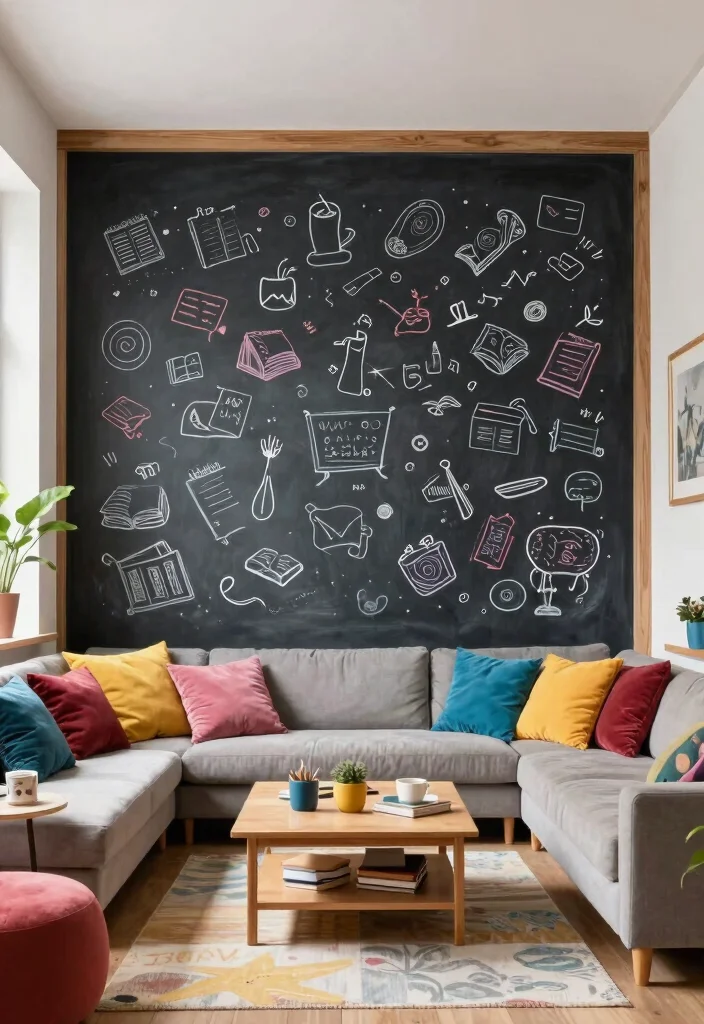
Bring creativity into your home with a chalkboard paint accent wall that encourages interaction and fun. This playful option is perfect for family living areas, allowing everyone to doodle, jot down notes, or display inspiring quotes. Kids especially love this idea, making it a wonderful addition to any home.
To make the most of this creative space, pair it with cheerful decor and easy-to-clean furnishings that can handle the playful nature of chalkboard walls. Using magnetic chalkboard paint can add functionality, enabling you to hang notes or artwork with ease. Frame your chalkboard wall with wood trim or paint the surrounding area a contrasting color to elevate its stylish appeal.
For Use:
– Keep chalk and erasers handy for easy use.
– Choose a color that complements the rest of your decor.
– Use washable chalk for easy cleanup.
How to paint:
1. Clean and prep the wall surface thoroughly.
2. Apply primer designed for chalkboard paint.
3. Use a roller for an even finish with a brush for edges.
FAQ:
Q: Can I use chalkboard paint in a small space?
A: Yes! It can make a small area feel personal and creative without overwhelming it.
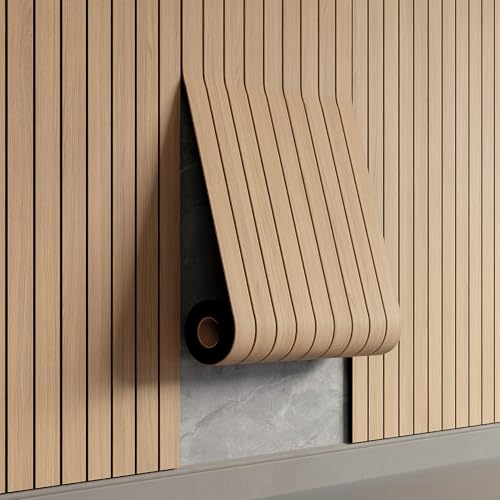
Effortless Peel & Stick Installation--Enjoy hassle-free setup with our self-adhesive PVC slat panels! Just measure, peel off the backing, and press onto any clean, flat surface—no tools or expertise needed. Perfect for DIY beginners and quick home makeovers.

𝗦𝘂𝗽𝗲𝗿𝗯 𝗦𝗼𝘂𝗻𝗱𝗽𝗿𝗼𝗼𝗳𝗶𝗻𝗴 𝗖𝗮𝗽𝗮𝗯𝗶𝗹𝗶𝘁𝗶𝗲𝘀 - INNO STICKERS wood wall panels are designed with upgraded acoustic material. They have excellent acoustic performance, which helps eliminate echoes and reduce background noise in any space. These panels combine room decor with effective sound absorption, from music studios to conference rooms, from movie theaters to home theaters, or from instrument practice rooms to game rooms.

Transform your space with our LOVADA Wood Wallpaper, a self-adhesive contact paper that replicates the natural beauty of wood panels. Enhance your walls effortlessly!
5. Geometric Wonders
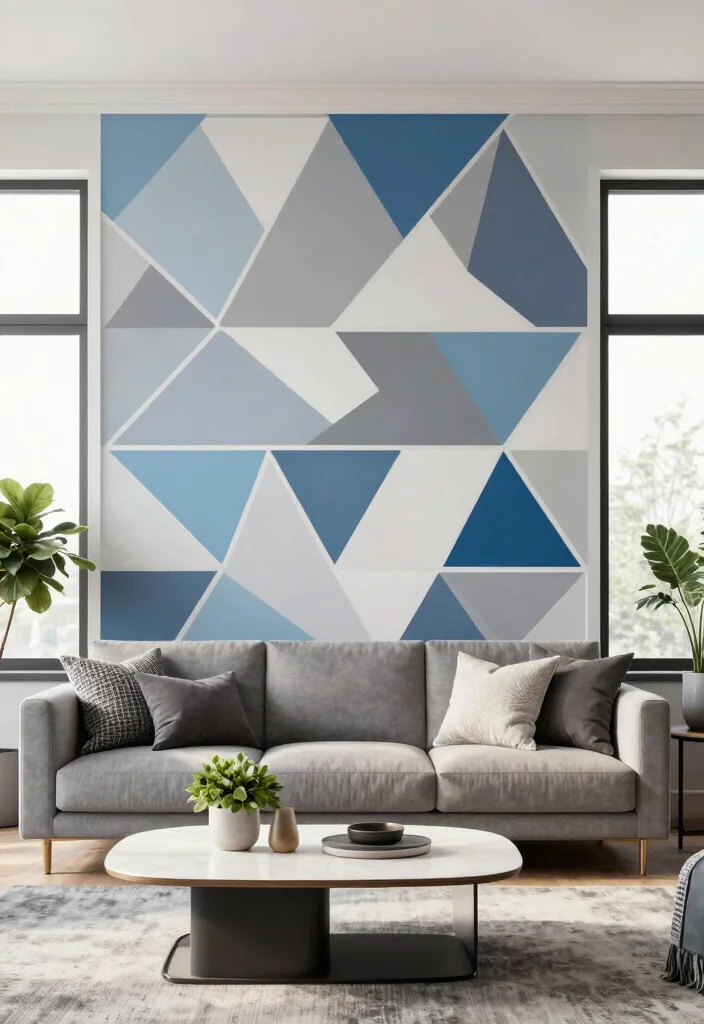
Transform your accent wall into a striking masterpiece with geometric patterns! Whether you choose stripes, triangles, or abstract shapes, geometric designs add a modern flair to any living room. Select a color palette that complements your current decor, ensuring the geometric shapes bring a refreshing twist.
For a dramatic effect, consider using contrasting colors; a white wall adorned with bold black shapes creates a stunning statement. Alternatively, softer tones can work wonders in crafting a unique yet subtle look. For DIY enthusiasts, use painter’s tape to outline your patterns before painting.
Design Ideas:
– Mix and match patterns for a playful effect.
– Incorporate textures, like wood or fabric, within the shapes.
– Choose a design that flows with the room’s layout.
How to paint:
1. Choose your colors and design layout.
2. Tape off edges to create clean lines.
3. Apply base color, let dry, then paint the shapes.
FAQ:
Q: Are geometric patterns suitable for small spaces?
A: Absolutely! When done right, they can enhance depth and interest.
Did you know geometric patterns on one wall painted living room can visually expand a small space by up to 20%? Try stripes, triangles, or abstract shapes to add modern flair, then pair bold contrasts for drama or soft tones for a calmer vibe.

Premium Material: Our metal tin sign is crafted from quality thick iron, featuring solid and long-lasting construction. It won’t easily get rusty, deformed or cracked after long-term hanging, and boasts an extra-long service life. It stands up to strong sunlight and humid environments perfectly, suitable for long-time use in both household and business spaces
Premium Material: Our metal tin sign is crafted from quality thick iron, featuring solid and long-lasting construction. It won’t easily get rusty, deformed or cracked after long-term hanging, and boasts an extra-long service life. It stands up to strong sunlight and humid environments perfectly, suitable for long-time use in both household and business spaces
Premium Material: Our metal tin sign is crafted from quality thick iron, featuring solid and long-lasting construction. It won’t easily get rusty, deformed or cracked after long-term hanging, and boasts an extra-long service life. It stands up to strong sunlight and humid environments perfectly, suitable for long-time use in both household and business spaces
6. Textured Elegance with Wood Panels
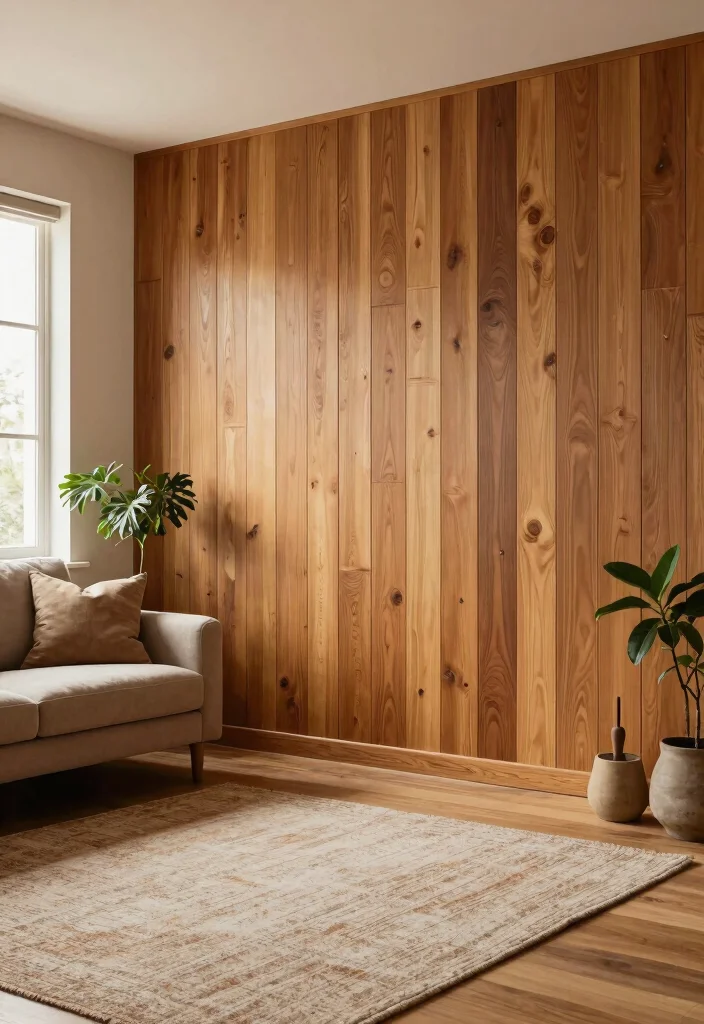
Introduce depth and character into your living room with wood paneling on one wall. This natural finish instantly brings warmth and a rustic touch, perfect for those who crave a cozy atmosphere. You can select reclaimed wood for an eco-friendly touch or opt for sleek modern panels for a contemporary look.
Balance the boldness of wood paneling with neutral-colored furniture to keep the space inviting. Soft textiles, such as plush throw blankets or cozy area rugs, can enhance the warm vibe. Decorative items like plants or candle holders can further accentuate the natural beauty of the wood.
For Implementation:
– Select high-quality wood resistant to wear.
– Ensure proper installation for durability.
– Mix different textures to avoid a flat look.
How to install:
1. Measure the wall and select appropriate wood panels.
2. Prepare the wall surface for installation.
3. Secure panels using adhesive or nails.
FAQ:
Q: Does wood paneling work in small spaces?
A: Yes! It can add warmth without overwhelming the area if done thoughtfully.

2000mAh Long-Lasting Rechargeable Battery: EZVALO picture light uses 6 energy-saving LED lamp beads (others: 4 lamp beads), with built-in 2000mAh large-capacity battery, low power consumption and long lasting durability. Equipped with Type-C high-speed charging cable, fully charged in 2.5 hours.


Neutral Minimalist Art Size: 12x16 inch or 16x24inch. FRAMED
7. The Power of Wallpaper
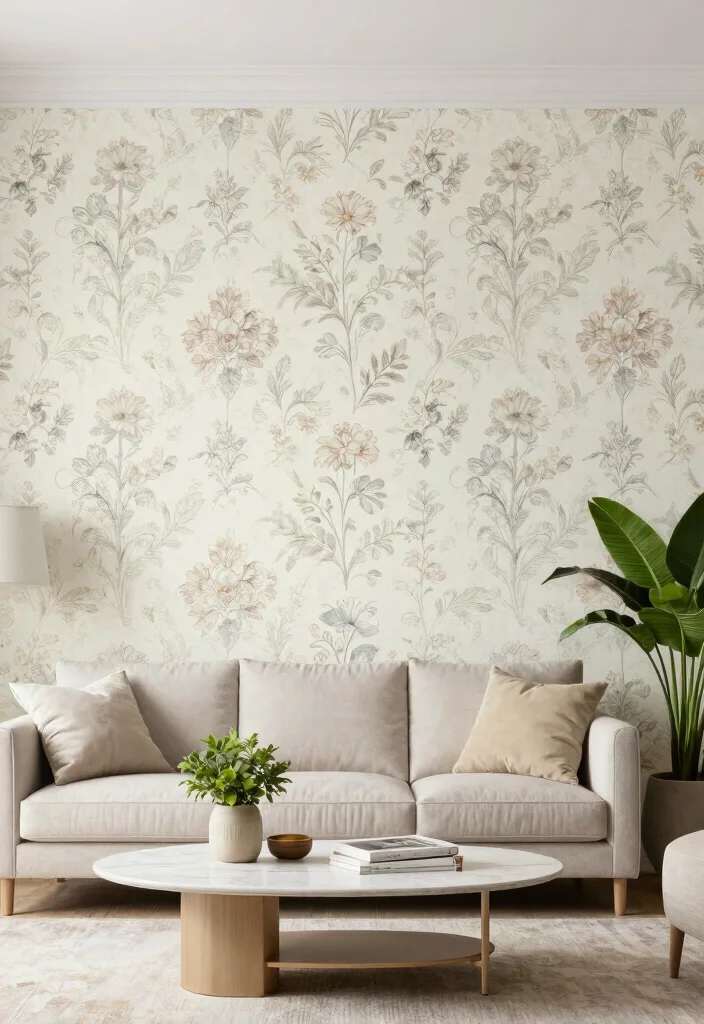
Wallpaper offers a captivating option for accent walls, bringing endless design possibilities to your living room. From floral patterns to bold prints, wallpaper can completely transform a room’s ambiance. The added texture and design can make even the smallest spaces feel personalized and stylish.
For compact living areas, consider using removable wallpaper—ideal for renters or those who enjoy changing their decor. Pair patterned wallpaper with simple furniture to ensure the focus remains on the wall design. If your space features high ceilings, vertical patterns can draw the eye upward, creating an illusion of height.
Styling Tips:
– Choose wallpaper that matches your overall color scheme.
– Use wall decals for a playful touch.
– Layer with framed art or mirrors for added interest.
How to apply:
1. Clean the wall thoroughly before application.
2. Measure and cut wallpaper to size.
3. Apply adhesive and smoothly position the wallpaper, ensuring no air bubbles form.
FAQ:
Q: Can wallpaper make a room feel smaller?
A: It depends on the pattern; light and airy designs can actually enhance space.

COLOR COAT - Flame Red

Fast-drying and High Performance

VERSATILE SIZE - This acrylic paint comes in a convenient 2 oz bottle and is sure to be a staple in your craft supplies
8. Dramatic Black
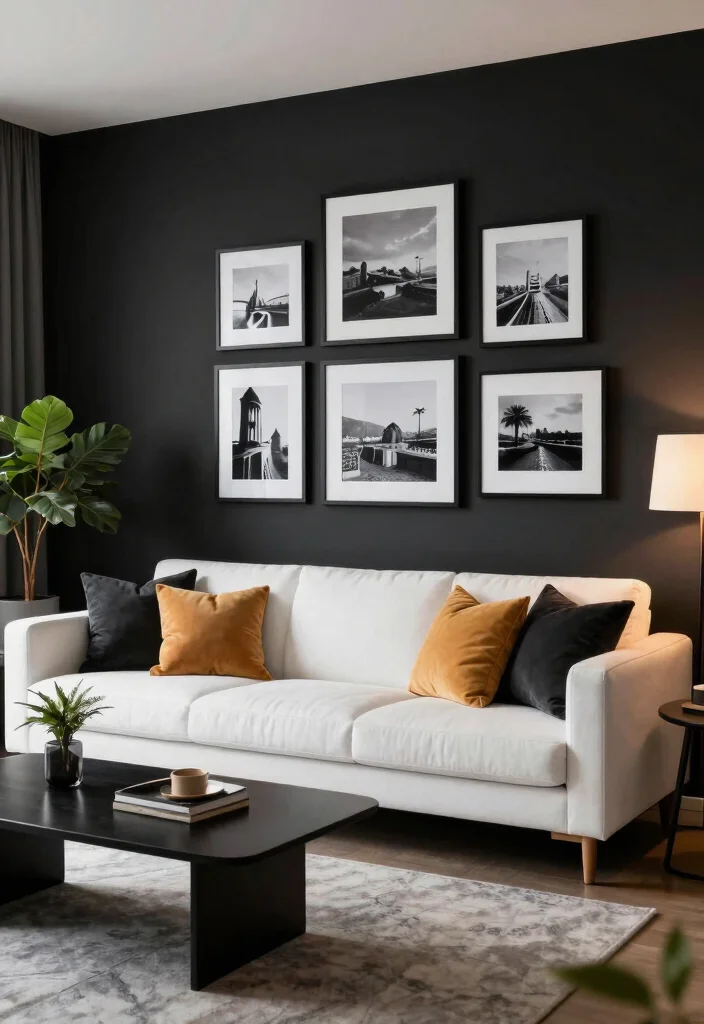
Black can be a bold and sophisticated choice for an accent wall, creating a modern and intimate atmosphere. A black wall serves as a stunning backdrop for lighter furniture and artwork, adding depth and drama to your living space.
To prevent the room from feeling too dark, incorporate bright decor and lighting elements. White or metallic accents create a striking contrast, maintaining a stylish yet balanced ambiance. Mixing textures, such as a plush grey sofa or silver decor, enhances the chic appeal of this daring choice.
Design Inspirations:
– Use mirrors to reflect light and create depth.
– Add vibrant color accents—like cerulean blue or bright yellow.
– Create a gallery wall with contrasting frames for a punchy effect.
How to paint:
1. Prepare the wall surface and tape off edges.
2. Use a high-quality paint for maximum coverage.
3. Apply two coats for the best finish.
FAQ:
Q: Will a black wall make my small room feel smaller?
A: Not necessarily! With good lighting and decor choices, black can enhance depth.
Fun fact: a single dramatic black wall can visually widen a small living room by up to 15% when paired with bright decor. In a one wall painted living room, white and metallic accents keep contrast lively instead of gloomy. Texture variety seals the polished, modern vibe.

[Size & Rooms] 24x48 in horizontal; wide format for living room, bedroom, dining room, or entry—perfect above a sofa, headboard, or long console.

Boho Wall Art Size : Measuring 20×40 inches, this large framed artwork fits perfectly in a variety of spaces, whether above a bed, in the living room, or as a focal point in an entryway. Its neutral tones blend effortlessly into any room design, adding a touch of sophistication.

𝐔𝐍𝐘𝐈𝐄𝐋𝐃𝐈𝐍𝐆 𝐂𝐑𝐀𝐅𝐓𝐒𝐌𝐀𝐍𝐒𝐇𝐈𝐏 & 𝐃𝐔𝐑𝐀𝐁𝐈𝐋𝐈𝐓𝐘: Handwoven by skilled Vietnamese artisans, these wall plates feature carefully processed jute fibers tightly knitted around ultra-sturdy metal frames. They will not warp, bend, or lose shape due to humidity or environmental changes, and they won't sag or fall off the wall, ensuring a flawless, lifelong display.
9. Earthy Green Vibes
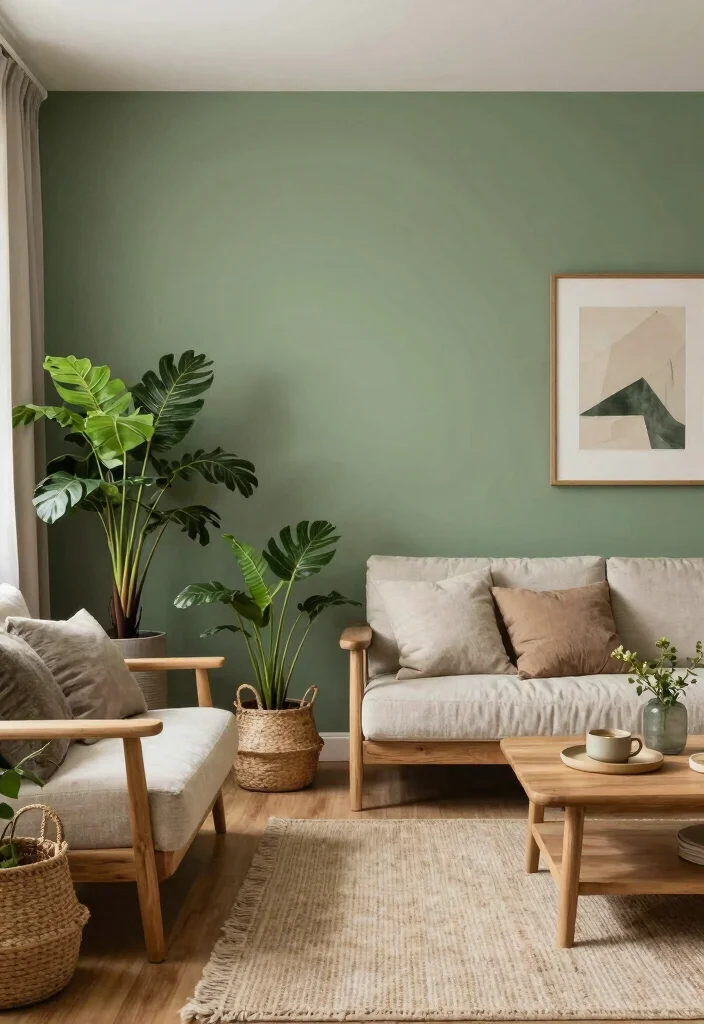
If you love nature, an earthy green wall can provide tranquility and balance to your living room. Shades like sage or moss evoke a grounding effect, making them perfect for smaller spaces. Pair a green accent wall with natural materials, such as wooden furniture and textured fabrics, to create a harmonious atmosphere.
Incorporate plants to enhance the earthy feel, bringing the outdoors into your home. Soft lighting complements the green tones, creating a relaxed and nurturing environment. When selecting decor, consider layering with different shades of green or floral patterns for visual interest.
Styling Suggestions:
– Use neutral tones to enhance the green.
– Incorporate natural wood elements for a cohesive look.
– Layer textiles for a cozy atmosphere.
How to paint:
1. Choose a calming shade of green and gather supplies.
2. Tape off edges and prepare the wall.
3. Apply paint using a roller, ensuring even coverage.
FAQ:
Q: Does green work in all types of decor?
A: Yes, it complements rustic, modern, and traditional styles beautifully.
𝗠𝗼𝗱𝗲𝗿𝗻 𝟯𝗗 𝗧𝗲𝘅𝘁𝘂𝗿𝗲𝗱: 3D wood slat design creates depth and visual interest while enhancing sound absorption. Great for Bedroom, office to reduce echo and noise, both practical and stylish

Quick Peel and Stick Install--No tools or glue needed. Apply to a clean, flat, dry wall and press firmly from the center outward for a secure hold. Covers 12.9 sq ft per 118" panel.
Effortless Peel & Stick Installation--Enjoy hassle-free setup with our self-adhesive PVC slat panels! Just measure, peel off the backing, and press onto any clean, flat surface—no tools or expertise needed. Perfect for DIY beginners and quick home makeovers.
How To Choose the Right Color for Your One Wall Painted Living Room
Choosing the perfect color for your accent wall can transform your living room into a space that feels inviting and stylish. An accent wall can add depth and character, especially in small spaces. Here are some key considerations to help you pick the right hue.
1. Consider Your Existing Color Scheme
Start by looking at the colors already in your living room. Your accent wall should complement the furniture, curtains, and decor. For example, if you have neutral tones, a bold color like fire engine red or soft pastel can create a stunning contrast. Use a color wheel to find complementary colors that will enhance your space.
2. Think About the Room’s Purpose
The function of your living room can influence your color choice. If you want a cozy, relaxing area for family time, soft colors like lavender or earthy greens can create a calming atmosphere. For a vibrant and energetic space, consider bright yellows or dramatic blacks to invigorate the room.
3. Lighting Conditions Matter
Lighting plays a crucial role in how colors appear. Natural light can make colors look brighter, while artificial lighting can affect their warmth. Test paint samples on the wall and observe them at different times of the day. This will give you a better sense of how the color changes with light.
4. Size of the Space
In small rooms, lighter shades can make the space feel larger and airier. On the other hand, darker colors can create a cozy feel but might make the room look smaller. If you want to use a bold color, consider painting just one wall and keeping other walls lighter to balance the look.
5. Personal Style
Your personal style should shine through in your accent wall choice. Whether you prefer chic elegance with navy blue or playful charm with chalkboard paint, choose a color that reflects who you are. Don’t hesitate to incorporate patterns or textures if that resonates more with your design aesthetic.
6. Trends vs. Timelessness
While it’s great to be inspired by current home decor trends, think long-term. A trendy color may quickly go out of style, so balance trendy choices with timeless shades. Colors like classic white or muted greys can work well as a backdrop, allowing you to change accessories easily.
Pro Tip: Before committing, buy sample pots and paint a small section of the wall. Live with the color for a few days to see how you truly feel about it in your space. This way, you can avoid any regrets after the job is done!
In summary, selecting the right color for your one wall painted living room involves thoughtful consideration of your existing decor, the room’s purpose, and lighting. Keep the size of the space in mind and let your personal style guide you. By balancing current trends with timeless choices, you can create an accent wall that makes a big impact. Happy decorating!

【Easy to Use】Simply open the lid and stir thoroughly before applying Lambskin Wall Paint; no complicated methods needed to refresh your home.

12 Inch Outdoor Indoor Sign: This round front porch decor features a clear and bright printed design, designed to enhance your home décor. Even from a distance, the crisp print remains clearly visible, creating a warm, cheerful, and inviting atmosphere. Outdoor wall decor is perfect for any indoor or outdoor setting, including front yards, entrances, backyards, front porches, balconies, hallways, gardens, yards, entryways, kitchens, bedrooms, living rooms, bathrooms, and more
10 Inch Outdoor Indoor Sign: This round welcome sign features a clear and bright printed design, designed to enhance your home décor. Even from a distance, the crisp print remains clearly visible, creating a warm, cheerful, and inviting atmosphere. Farmhouse wall decor is perfect for any indoor or outdoor setting, including front yards, entrances, backyards, front porches, balconies, hallways, gardens, yards, entryways, kitchens, bedrooms, living rooms, bathrooms, and more
10. Classic White with a Twist
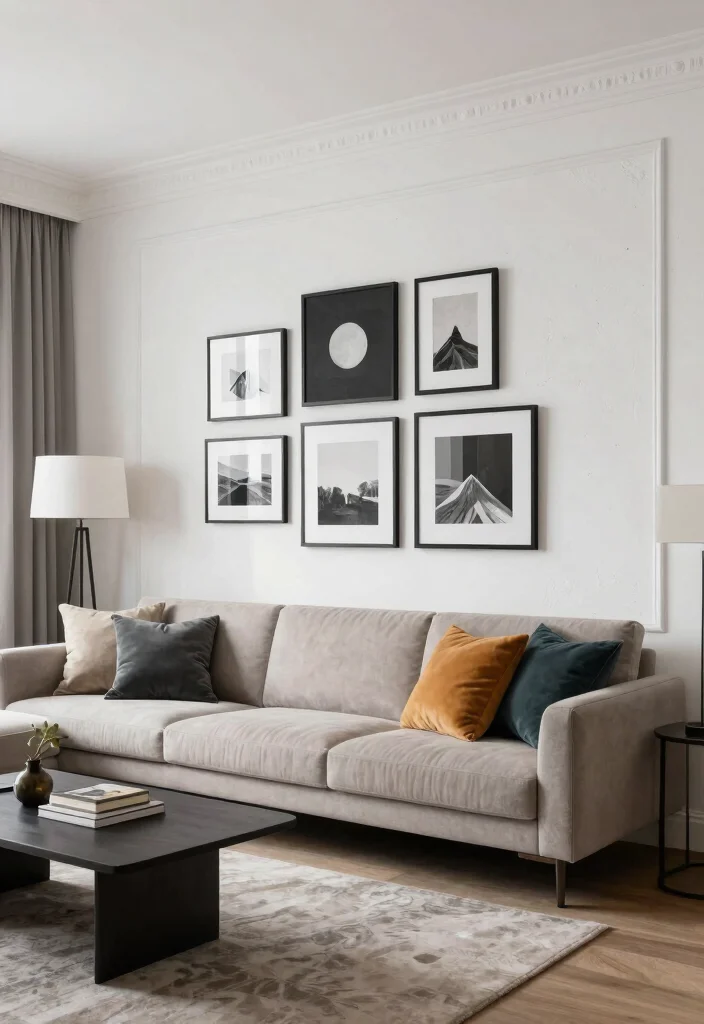
A classic white wall can be anything but plain! By adding subtle texture or a soft sheen, you can elevate the simplicity of white, keeping your living room feeling spacious and airy. Incorporating paneling, shiplap, or textured wallpaper can infuse fresh energy into a traditional white wall.
Maintain a modern look by pairing it with bold accents—think vibrant pillows or colorful art. White is versatile and pairs beautifully with nearly any color scheme, making it an excellent choice for flexible decor. Highlight your space with decorative items that draw attention to the wall, such as a floating shelf or framed artwork.
For Styling:
– Incorporate mixed materials for added interest.
– Select colorful decor that pops against the white backdrop.
– Invest in quality lighting to enhance the wall’s features.
How to paint:
1. Clean the wall and tape off edges for clean application.
2. Apply primer if necessary for long-lasting results.
3. Use a roller for smooth coverage with minimal brush strokes.
FAQ:
Q: Is a white wall too boring?
A: Not at all! It can enhance and elevate other design elements in the room.
11. Rustic Stone Wall
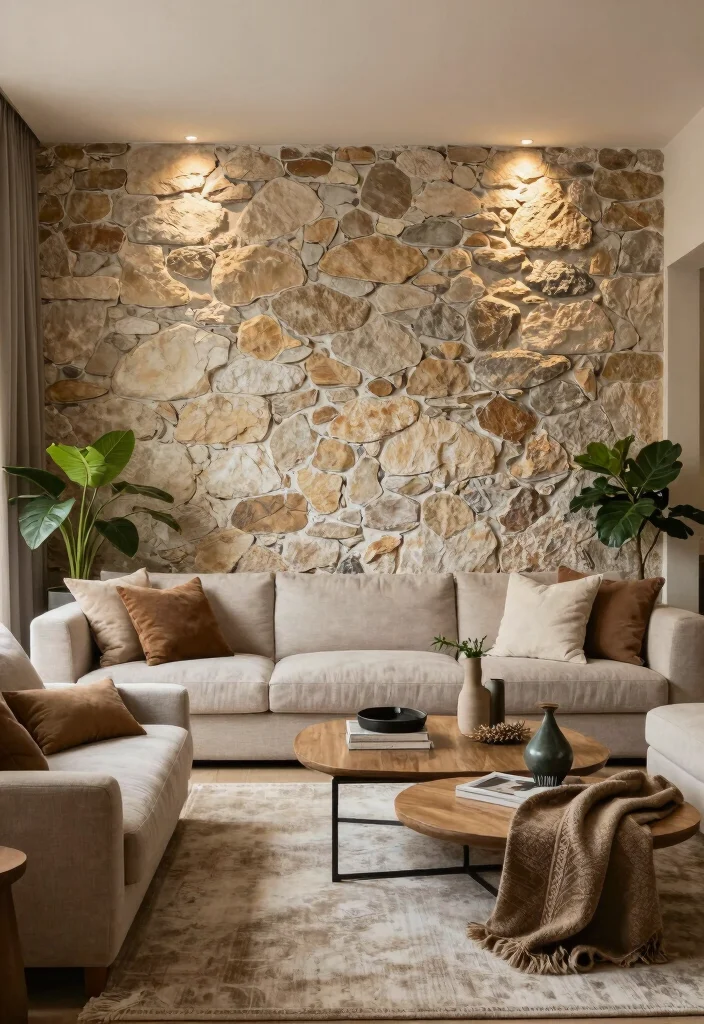
Incorporate a rustic stone wall to add a natural and earthy vibe to your living room. Stone accents introduce texture and character, creating a stunning focal point that complements various styles—especially rustic, farmhouse, or industrial. The rough texture of stone brings warmth, making your space feel cozy and inviting.
Choose natural colors for your furniture to enhance the earthy tones of the stone. Soft textiles and layered fabrics can help soften the rugged appearance, creating a comfortable atmosphere. Consider using faux stone panels for easier installation while achieving a similar look.
Design Ideas:
– Pair stone with wooden furniture for a cohesive look.
– Use warm hues in your decor to enhance the rustic feel.
– Incorporate soft lighting to highlight the stone texture.
How to install:
1. Choose your stone material and gather tools.
2. Prepare the wall surface for installation.
3. Secure the stone panels or loose stones using adhesive.
FAQ:
Q: Does a stone wall work in smaller spaces?
A: Yes! It can add character without overwhelming the room if done thoughtfully.
12. Color Blocking Fun
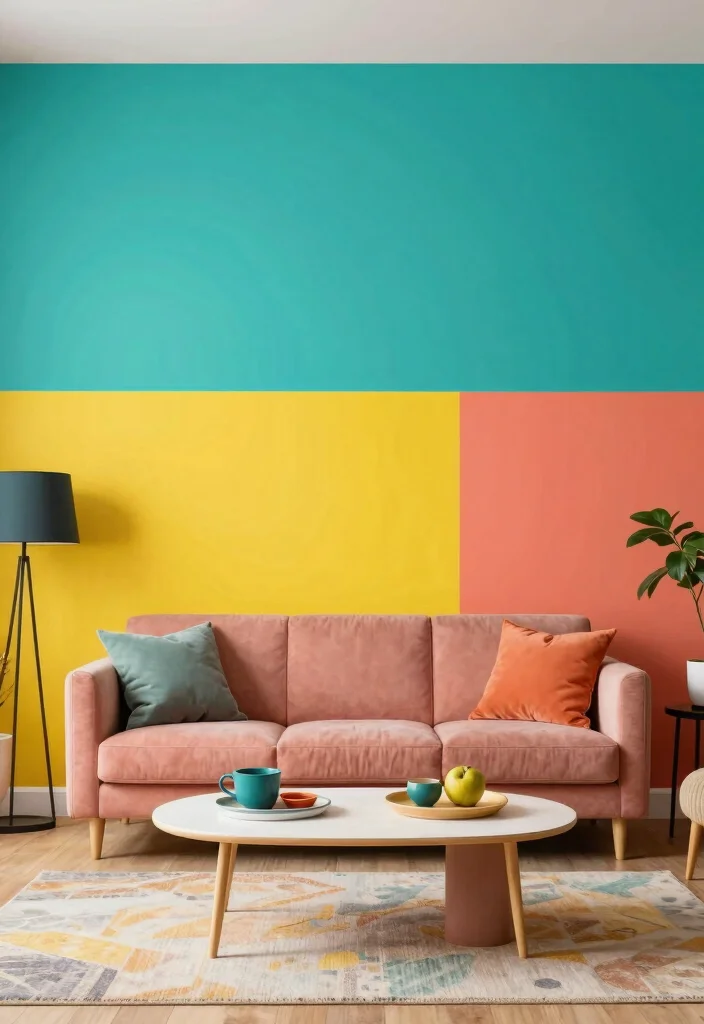
Color blocking is a playful trend that combines various bold colors for a striking effect. This technique allows you to use contrasting or complementary colors to create dynamic visual interest in your living room. By painting distinct sections of your wall in different colors, you can infuse personality into your space.
To maintain cohesion, balance bold colors with neutral furniture and decor. Incorporate a variety of shapes and patterns to keep the space lively, ensuring colors tie together through common elements, like artwork or cushions. This approach is particularly effective in smaller areas, where it can create an illusion of depth.
Styling Tips:
– Use painter’s tape to ensure clean lines between colors.
– Choose colors that evoke the desired mood, like vibrant hues for energy.
– Layer your accessories to enhance the playful feel.
How to paint:
1. Decide on the color scheme and design layout.
2. Tape off sections for clean edges.
3. Apply the base color and let dry before adding additional colors.
FAQ:
Q: Can color blocking make a room feel chaotic?
A: Not if done mindfully! Choosing complementary colors and maintaining balance will keep it harmonious.
13. Subtle Ombre Effect
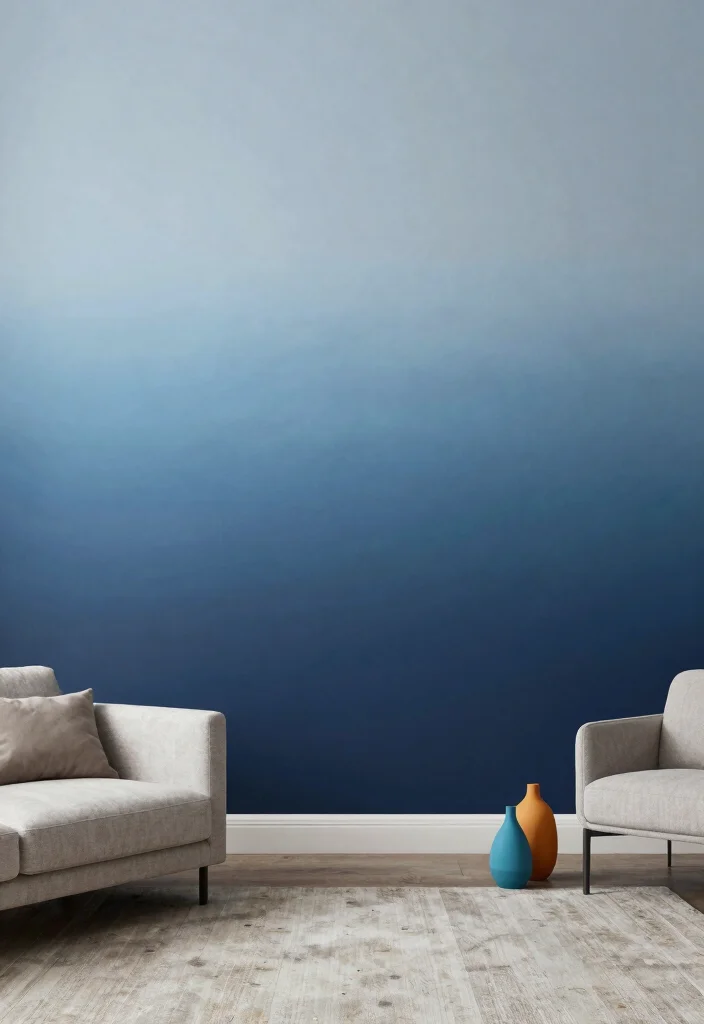
Ombre walls provide a unique and modern touch, creating a gradient effect that transitions from one color to another. This technique adds sophistication and depth to a living room, making the space feel dynamic and fresh. Opt for a soothing palette that flows from light to dark for a gentle, calming ambiance.
Using ombre effectively can be particularly impactful in small spaces, as it draws the eye upward or across the room, creating a sense of movement. Pair this technique with minimalistic furniture to ensure the wall remains the focal point. Soft textures in decor can further enhance the depth of the ombre effect, crafting an inviting atmosphere.
Styling Suggestions:
– Balance the wall with neutral furnishings.
– Layer with soft fabrics and natural materials.
– Use lighting to emphasize the gradient effect.
How to paint:
1. Choose your colors for the ombre effect.
2. Use a sponge or brush to blend colors smoothly.
3. Start from the top and work down for a fluid look.
FAQ:
Q: Is ombre suitable for all decor styles?
A: Yes! It can work beautifully in both modern and traditional settings.
14. Vintage Flair with Floral Patterns
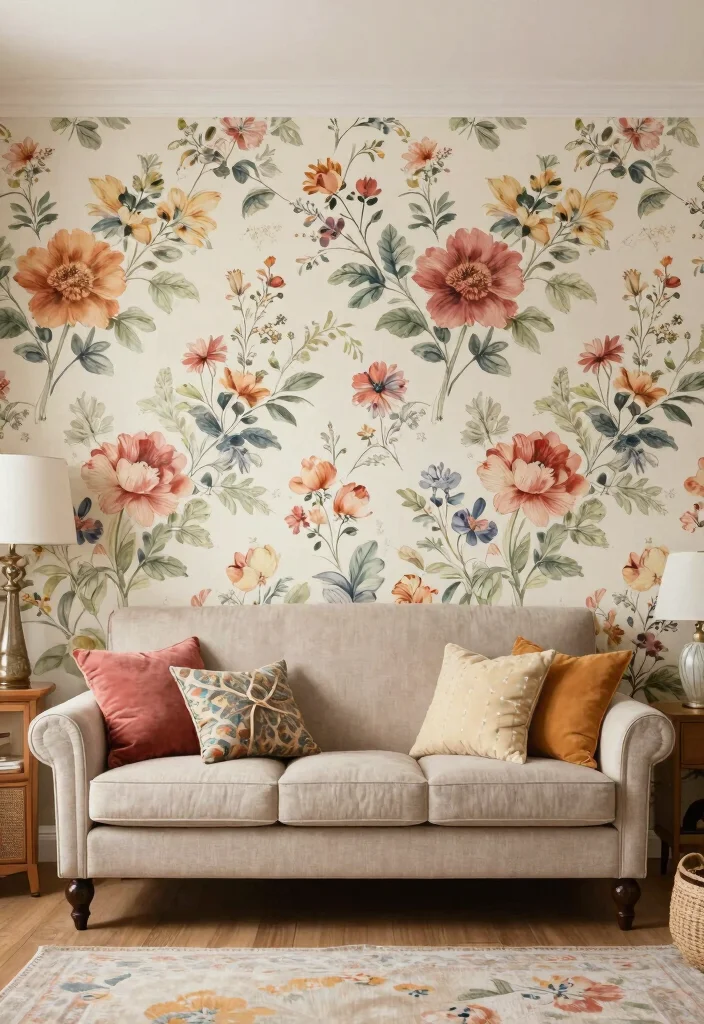
For a nostalgic touch, consider a floral accent wall that infuses vintage charm into your living room. Floral patterns can range from bold and dramatic to soft and subtle, allowing you to express your unique style. This classic design suits traditional or country-style homes, adding warmth and character to the space.
To keep the look fresh, opt for larger floral patterns and combine them with sleek, contemporary furniture. Incorporating coordinating colors in your decor can help tie the room together while keeping the floral wall as the main focus. A balanced mix of textures can enhance the overall aesthetic, creating a cozy and inviting atmosphere.
Design Tips:
– Mix floral patterns with solid colors to avoid overwhelming the space.
– Incorporate vintage furniture to enhance the charm.
– Use light curtains to maintain brightness in the room.
How to apply:
1. Measure and cut wallpaper or prepare paint for stenciling.
2. Clean the wall and tape edges for a smooth application.
3. Apply carefully to maintain the design integrity.
FAQ:
Q: Are floral patterns too feminine?
A: Not necessarily! With the right balance, they can appeal to all styles.
15. Contemporary Grey Tones
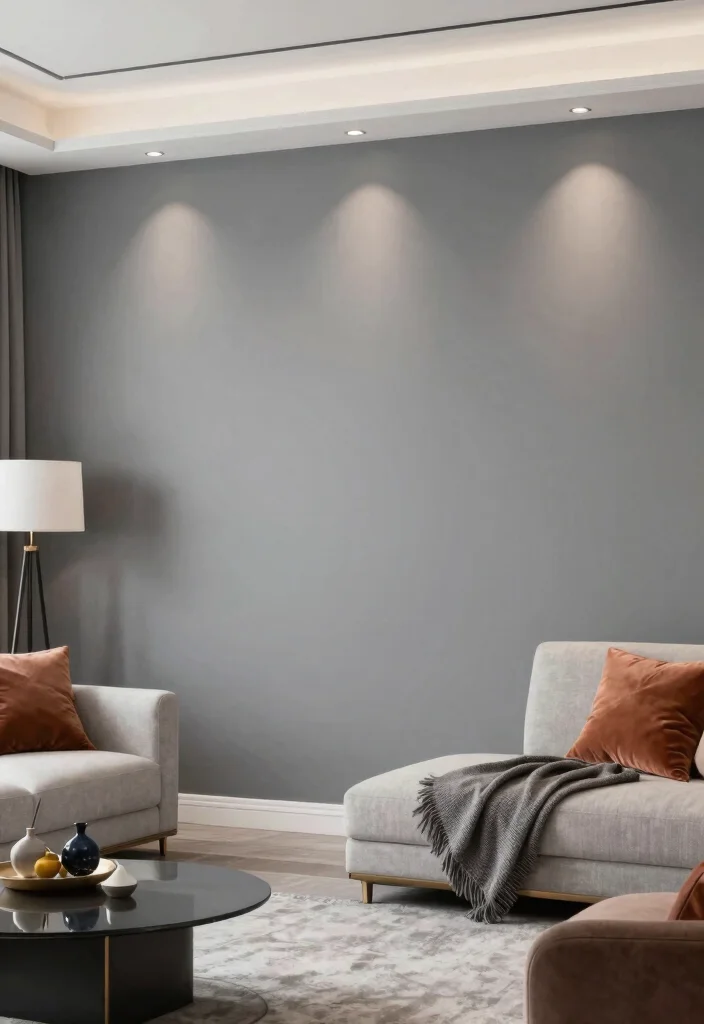
Grey is a versatile color that brings a modern edge to your living room as an accent wall. Choosing various shades of grey—from light to charcoal—creates a unique depth that adds sophistication without being overwhelming. A grey wall blends seamlessly with different textures and colors, making it ideal for any decor style.
Pair grey with pops of color in your furniture or accessories to liven up the space. Textured elements, such as a plush throw or woven wall art, can enhance the overall aesthetic and create a cozy feel. This hue works particularly well in smaller spaces, as it expands the look of the area when paired with lighter furnishings.
Design Tips:
– Combine with metallics for a chic look.
– Layer different shades to create interest and depth.
– Use natural light to enhance the grey tones.
How to paint:
1. Choose your preferred shades of grey.
2. Prepare the wall by cleaning and taping edges.
3. Use quality paint for a smooth finish.
FAQ:
Q: Can grey be too dark for small spaces?
A: Not if balanced with bright decor and lighting!
16. Mellow Yellow Delight
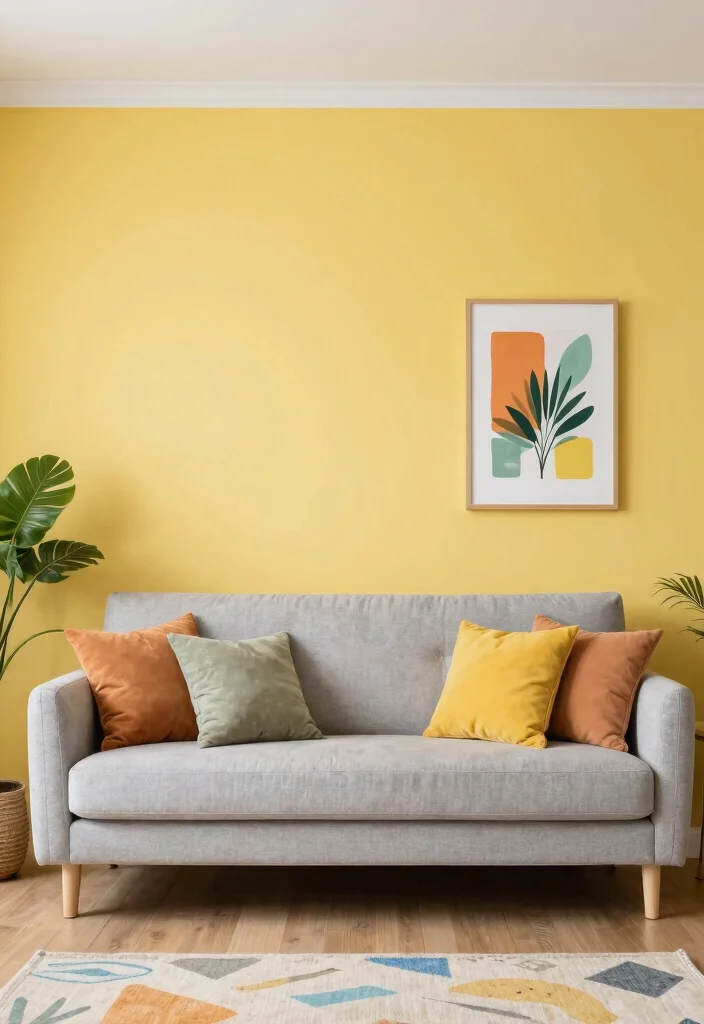
Bring a touch of sunshine into your living room with a mellow yellow accent wall. Bright yet soft, this cheerful color can instantly uplift the mood of your space. Yellow works wonderfully in small living areas, reflecting light well to create a warm and inviting atmosphere.
Pair the yellow wall with neutral or pastel furnishings to maintain a calm balance. Bold accent pieces—like vibrant artwork or colorful cushions—can complement the sunny hue. To avoid overwhelming the space, consider limiting the yellow to one wall, allowing it to shine without dominating the room.
Design Suggestions:
– Use white or gray furniture to enhance the yellow’s brightness.
– Layer with soft textures for a cozy feel.
– Bring in contrasting colors for added interest.
How to paint:
1. Prepare the wall by cleaning and taping off edges.
2. Apply a primer if necessary for even coverage.
3. Use a roller for smooth application and finish with a brush for edges.
FAQ:
Q: Is yellow suitable for every decor style?
A: Yes! It can adapt to modern, traditional, or eclectic styles with careful pairing.
17. Dreamy Lavender
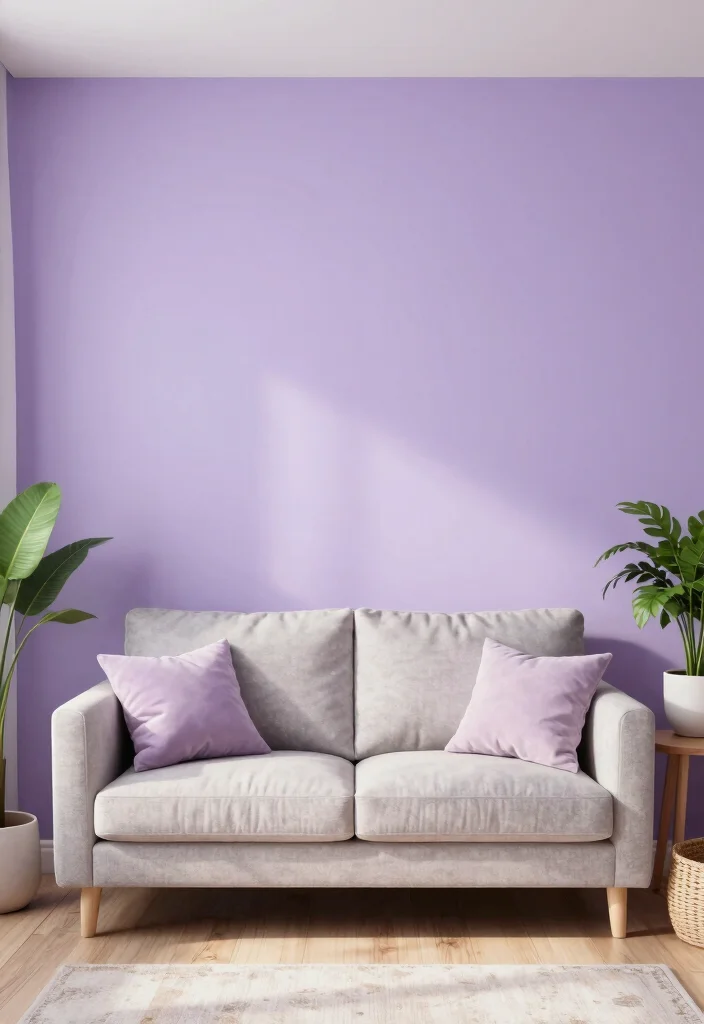
Conclude your decor journey with a dreamy lavender wall that exudes tranquility and grace. This soft color brings a gentle touch to any living room, creating an airy and spacious feel. Lavender pairs beautifully with whites and natural woods, crafting a serene retreat in your home.
Enhance the cozy ambiance with soft textiles—like plush throws and pillows—that complement the wall. Lavender also harmonizes with metallic accents like silver or soft gold, adding a touch of elegance. When accessorizing, consider artwork that incorporates lavender tones to tie everything together seamlessly.
Design Tips:
– Use multi-toned decor to add depth.
– Layer textures for an inviting feel.
– Incorporate natural light to enhance the lavender hue.
How to paint:
1. Choose a soft lavender shade and gather necessary materials.
2. Clean the wall and tape off edges for a smooth finish.
3. Apply primer for durability and paint with a roller for an even coat.
FAQ:
Q: Is lavender suitable for small rooms?
A: Yes! It creates a light and airy feel, perfect for small spaces.
Fun fact: A one wall painted living room in lavender can make a small space feel up to 15% larger by reflecting soft light. Pair it with whites and natural woods to keep the calm, airy vibe alive.
Conclusion
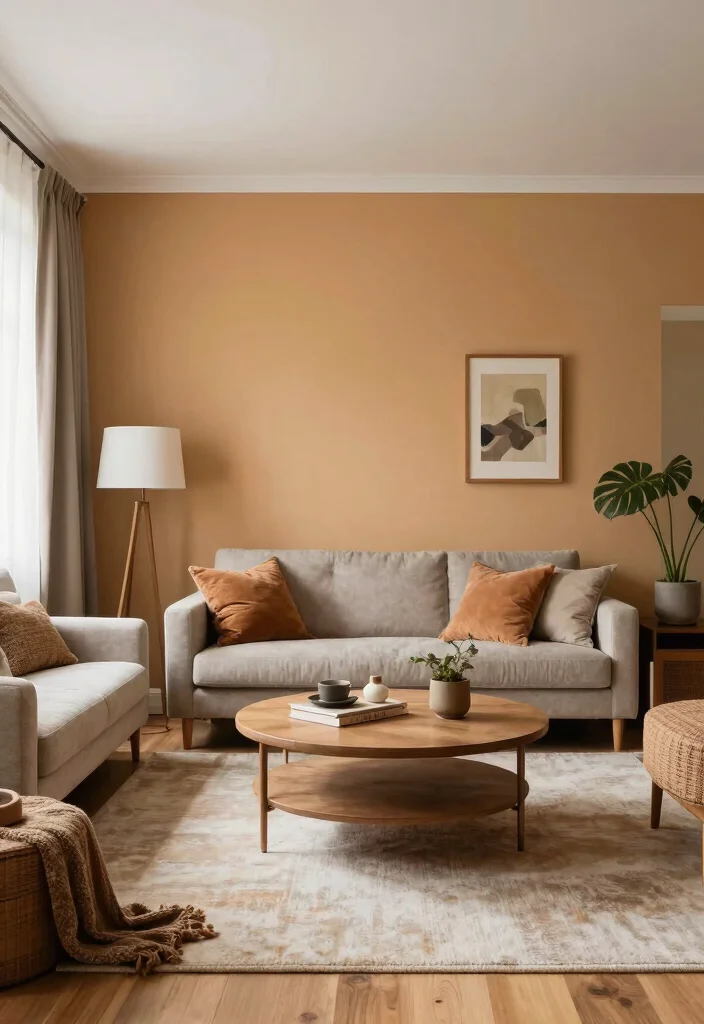
Incorporating a painted accent wall into your living room design can make a world of difference, especially in small spaces. These 17 ideas offer a diverse range of styles and colors to suit any taste, ensuring that your home feels personal and inviting. Whether you choose bold colors, soft pastels, or textured finishes, the right wall can create a focal point that ties your entire decor together. By experimenting with these trends, you have the power to transform your living space into the cozy retreat you’ve always wanted.
Embrace your creativity, mix and match styles, and enjoy the journey of turning your living room into a reflection of you. Dive into your next painting project today!
Frequently Asked Questions
What are the best one wall painted living room ideas to create a big impact in a small space?
Here are practical ideas to make a one wall painted living room pop while keeping the room feeling open. Start with a bold color on one wall and keep the other walls neutral to create strong contrast.
You can add depth with a matte finish or a subtle texture, and try a simple geometric pattern on the painted wall using painter’s tape for a modern touch.
Pair this with clean lines, minimal clutter, and strategic lighting to maximize impact in a small living room. For color inspiration, explore living room color schemes that work with light floors and white ceilings, and consider accent wall ideas like navy, charcoal, or olive to guide the eye.
These approaches align with small space design principles and practical interior painting tips to keep the space feeling larger and brighter.
How do I choose the right color for a one wall painted living room in a small space?
To pick the right color for a one wall painted living room in a small space, start with the light in your room and the undertones of your furniture.
Test multiple swatches on the actual wall and observe them at different times of day, then choose a shade that reflects your desired mood and fits your living room color schemes. Use a lighter shade on adjacent walls to boost brightness and create a sense of airiness, or go warm to cozy up the seating area.
If you want a classic look, a deep, rich accent color can still feel open when paired with bright textiles and mirrors. Consider accent wall ideas that support the overall design without overwhelming the room.
What interior painting tips help achieve a professional finish for a one wall painted living room?
For a professional finish on a one wall painted living room, start with thorough prep: clean walls, fix any imperfections, and prime if you’re painting a dramatic color or a high-contrast shade.
Cut in edges with a steady hand, use the right nap for your roller, and apply two even coats for solid coverage. Allow proper drying time between coats and finish with a low-sheen or eggshell interior painting tips to keep fingerprints at a minimum. Protect floors and fixtures, and test touch-ups in small patches before committing to the whole wall.
A crisp, well-executed wall is the foundation for a cohesive home decor trends look.
What are easy accent wall ideas for a small living space to pair with a one wall painted living room?
Easy accent wall ideas for a small living space when pairing with a one wall painted living room include: choose a bold color for that wall while keeping others calm to avoid overpowering the room; add a subtle texture like a soft plaster or matte finish; create a simple gallery or a line of art across the wall to add personality without bulk; or run a narrow vertical stripe to visually lift the ceiling.
If you prefer pattern, try a restrained geometric or chevron pattern with painter’s tape in two tones and finish with a gloss or satin topcoat.
Remember, the goal is to enhance the space, not crowd it, so use small space design principles and align with accent wall ideas that complement living room color schemes.
How can I integrate a one wall painted living room with existing furniture and decor while keeping up with home decor trends?
To integrate a one wall painted living room with existing furniture and decor while staying on trend: start by picking one anchor wall that coordinates with your furniture’s color and wood tones; then pull two or three accent colors from that wall into your decor for cohesion.
Keep furniture streamlined and avoid bulky pieces that clutter a small room; use mirrors, layered lighting, and minimal accessories to reflect space. Follow current home decor trends like natural materials, soft textures, and warm neutrals, but adapt them to your layout.
Finally, test in stages: swap textiles, swap art, and observe how the one wall painted living room feels with your daily routine before committing to a final look.
Related Topics
home decor
accent wall ideas
small spaces
living room color schemes
interior painting tips
DIY projects
budget friendly
trending decor
minimalist design
quick updates
easy transformations
seasonal decor