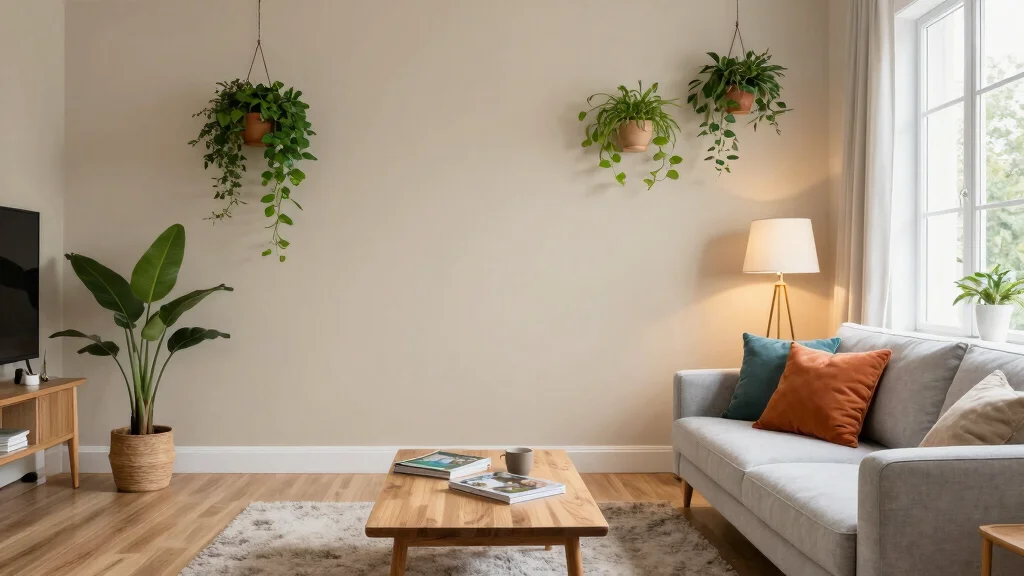
Revamping your living room can feel overwhelming, especially when it comes to choosing the right wall colors. If you’re searching for inspiration, you’re not alone. This post is crafted to guide you through a variety of fresh and modern wall color ideas for your living room. The world of home decor is always evolving, and I wanted to create a resource that showcases sustainable and stylish options that can transform your space without costing the earth.
Whether you’re a seasoned designer or a first-time homeowner, finding the perfect color palette can be a daunting task. If you love contemporary interior design and want to create a living space that’s both inviting and chic, this guide is for you. I’ve gathered 18 unique wall color ideas that blend modern aesthetics with sustainable choices. Each color can breathe new life into your living room, making it a reflection of your personality and style.
You’ll discover a range of options, from soft pastels to bold hues, each designed to inspire. These ideas are not only stylish but also practical, as they can help you create a warm and welcoming atmosphere. By the end of this guide, you’ll have a clear understanding of which living room color schemes resonate with you and how to implement them effectively.
Key Takeaways
– Explore 18 unique wall color ideas that can transform your living room into a stylish haven.
– Discover how sustainable colors can enhance your space while being environmentally friendly.
– Learn which living room color schemes work harmoniously together for a cohesive look.
– Find practical tips for selecting the right modern wall paint ideas that suit your lifestyle.
– Get inspired by decor ideas for living room that bring a contemporary feel to your home.
1. Soft Sage Green
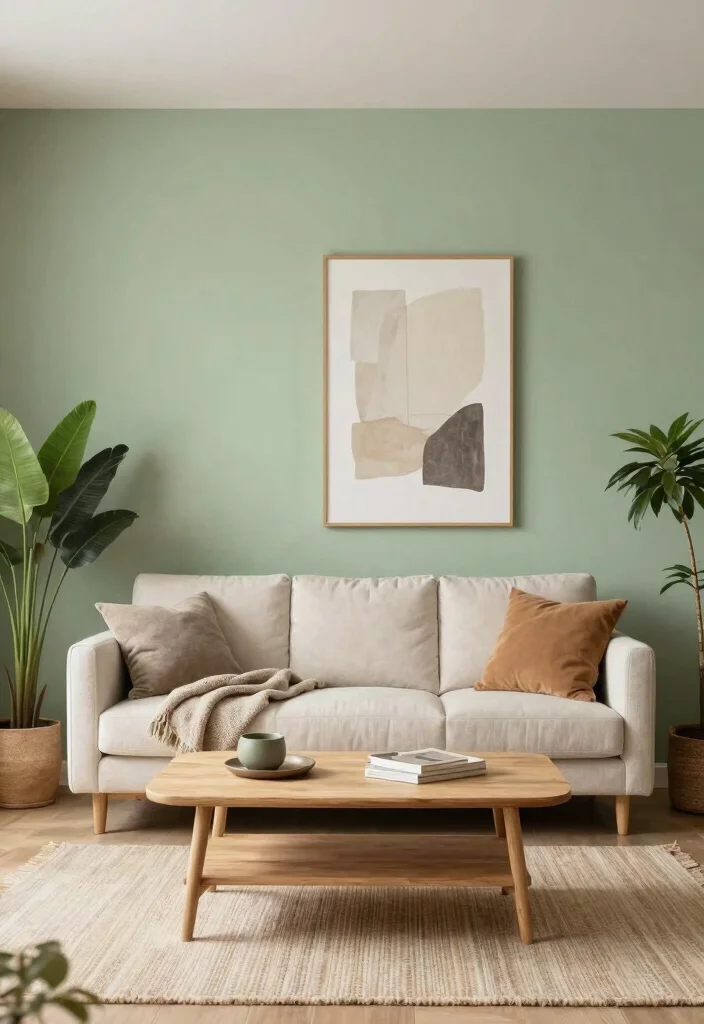
Soft sage green brings a serene touch to your living room, creating an atmosphere of tranquility. This calming hue harmonizes beautifully with natural wood and crisp whites, making it ideal for a modern, fresh look. Picture soft sage walls framed by light oak furniture, inviting a sense of peace and relaxation.
To embrace this palette, consider selecting eco-friendly paints that ensure a healthy environment. You can also mix in earthy tones through decor elements, grounding the soft green with warmth. Adding vibrant plants enhances the fresh feel of the space, tying in nature effortlessly.
Consider these elements to maximize this palette’s potential:
– Pair sage-painted walls with light oak furniture
– Use soft white accents to brighten the space
– Incorporate greenery for a lively touch
– Layer in soft textiles for added warmth
This approach enhances the overall aesthetic, inviting a soothing ambiance that feels both stylish and welcoming.
2. Deep Navy Blue
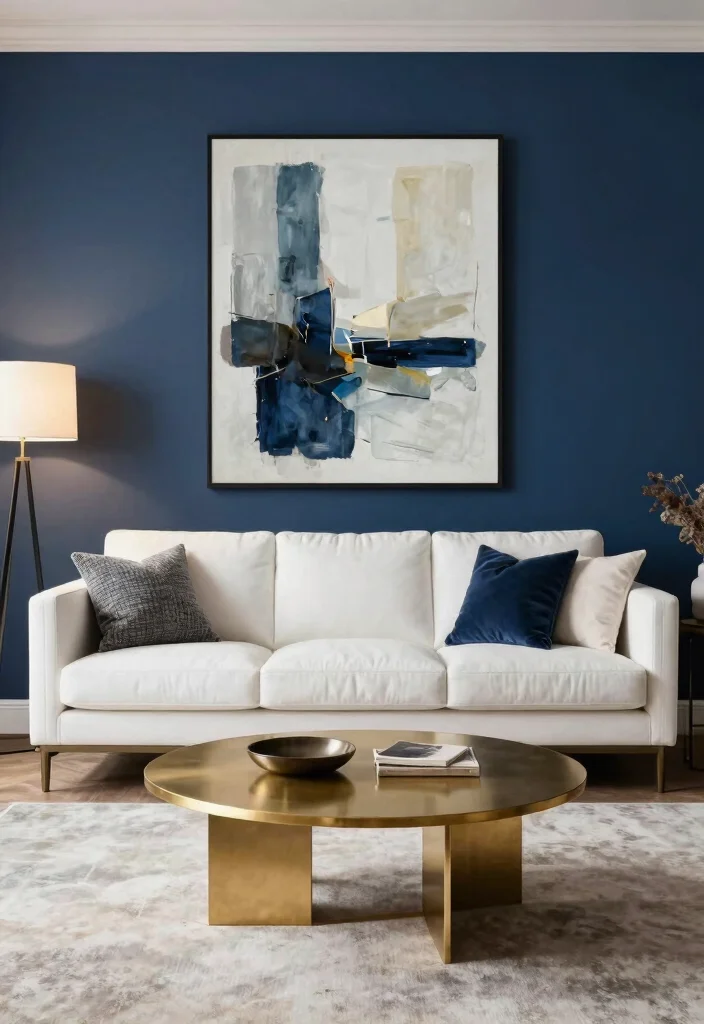
Deep navy blue adds a touch of sophistication and drama to your living room. This bold shade creates a cozy retreat, especially when paired with crisp whites or gleaming golds for contrast. Imagine deep navy walls complemented by a soft white sofa, creating an inviting and stylish space.
To make the most of this rich color, opt for light-colored furniture that balances the deep tones, ensuring the room feels open and airy. You can introduce metallic accents like brass fixtures to add a touch of luxury. Soft, warm lighting will enhance the inviting nature of navy blue, making the space feel welcoming.
Here’s how to make the most of navy blue:
– Use a light-colored sofa to balance deep walls
– Incorporate metallic decor for elegance
– Choose warm lighting to enhance coziness
– Add colorful artwork for a lively touch
This color not only offers versatility in design but also fosters a rich, inviting atmosphere.
3. Terracotta Orange
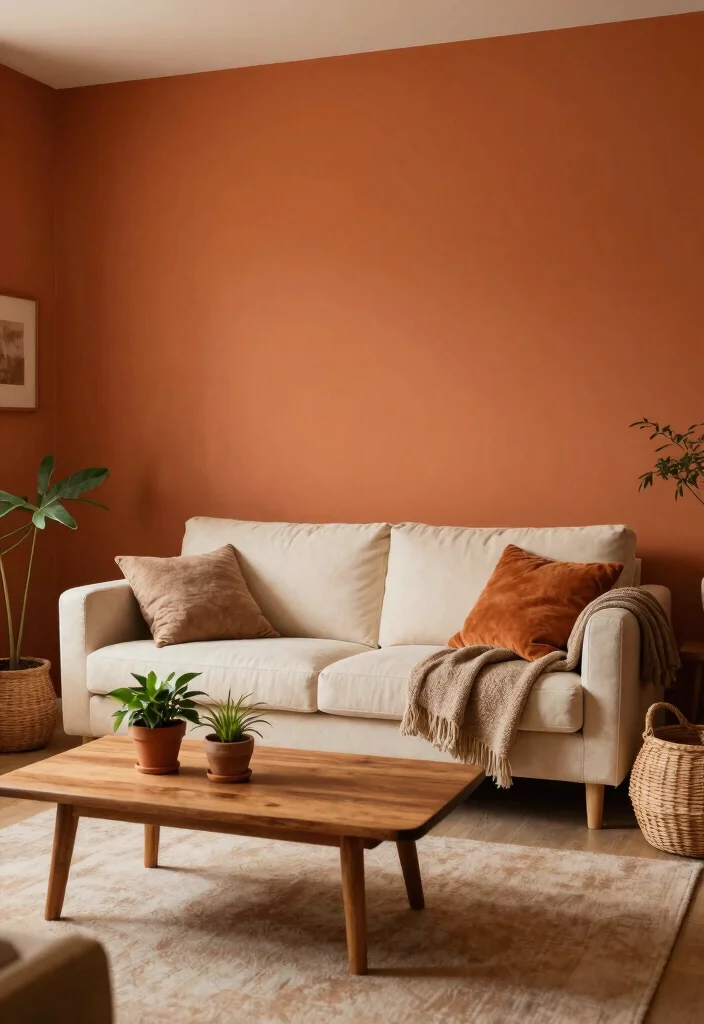
Terracotta orange introduces warmth and vibrancy to your living room, making it an ideal choice for those looking to create a cozy haven. This earthy tone resonates with nature, beautifully complementing greenery and wooden accents. Picture terracotta walls paired with lush plants, creating a warm and inviting environment.
To effectively incorporate terracotta, select natural materials like wooden furniture to enhance the organic feel of your space. Mixing in neutral shades such as whites or soft greys can balance the vibrancy. Adding textured elements like woven baskets or colorful textiles will provide depth and interest.
Here’s how to incorporate terracotta:
– Select wooden furniture to enhance warmth
– Mix with neutral colors for balance
– Add textured textiles for depth
– Incorporate plants to complement the color
This choice creates an inviting and homey atmosphere, perfect for relaxation and gatherings.
Terracotta warmth isn’t just a color—it sets the mood for your living room. It’s a practical, cozy addition to wall colour ideas for living room, pairing naturally with wood and greenery. Start with an accent wall and balanced neutrals for lasting harmony.
How To Choose Sustainable Wall Colour Ideas for Your Living Room
Choosing the right wall colours for your living room can be a fun yet daunting task. With so many options available, it’s essential to consider a few key factors to ensure your choice is both stylish and environmentally friendly. Here’s a comprehensive guide to help you navigate the selection process effectively.
1. Consider Environmentally Friendly Materials
When looking for wall colours, check for paints that have low or zero volatile organic compounds (VOCs). These paints are better for your indoor air quality and are safer for your family. Brands often label their products as eco-friendly or low-VOC, making it easier for you to identify options that are less harmful to the environment. Look for certifications like Green Seal or the EPA’s Safer Choice label.
2. Pick a Colour That Reflects Your Style
Your living room should represent your personal taste. Think about the atmosphere you want to create. Do you prefer calming tones like soft sage green or bold choices like deep navy blue? Browse through colour swatches, and consider how each colour will interact with your furniture and decor. If you are unsure, test samples on your walls to see how they look in different lighting throughout the day.
3. Think About Room Size and Lighting
The size and natural lighting of your living room can drastically affect how colours appear. Lighter shades can make a small room feel more spacious, while darker hues can create a cozy atmosphere in larger spaces. Take note of how much sunlight your room gets at different times of the day. A bright, sunlit room can handle darker colours, while a dimmer space might benefit from lighter, airy shades.
4. Factor in Your Existing Decor
Your wall colour should harmonize with your furniture, artwork, and other decor items. Look at the colours present in your upholstery, rugs, and artwork. You want your wall colour to complement these elements rather than clash with them. Try to incorporate shades from your decor into your wall choice to create a cohesive look that feels intentional.
5. Evaluate Your Lifestyle
Consider how you use your living room. Do you have kids or pets? If so, you might want to choose a more durable, washable paint finish. Matte finishes can offer a soft look but might be harder to clean. Satin or semi-gloss finishes, on the other hand, are more resilient and easier to wipe down. Think about how much wear and tear your walls will experience and choose accordingly.
6. Be Mindful of Trends vs. Timeless Choices
While it can be tempting to jump on the latest colour trends, remember that trends can fade quickly. Think about timeless colours that will stand the test of time. Neutral colours like soft beige, classic white, or earthy taupe can provide a great backdrop and allow you to change decor easily. If you want a trendy colour like terracotta orange or bright teal, consider using it as an accent wall instead.
Pro Tip: Before making a final decision, gather a few friends or family members for feedback. Sometimes, an outside perspective can help you see your choices more clearly. Also, visualize how your wall colour will look in the context of your whole living room.
In summary, choosing a sustainable wall colour for your living room involves considering materials, personal style, room size, existing decor, lifestyle needs, and the balance between trendy and timeless colours. By taking the time to weigh these factors, you can create a beautiful, eco-friendly space that you and your family will love for years to come.
4. Soft Blush Pink
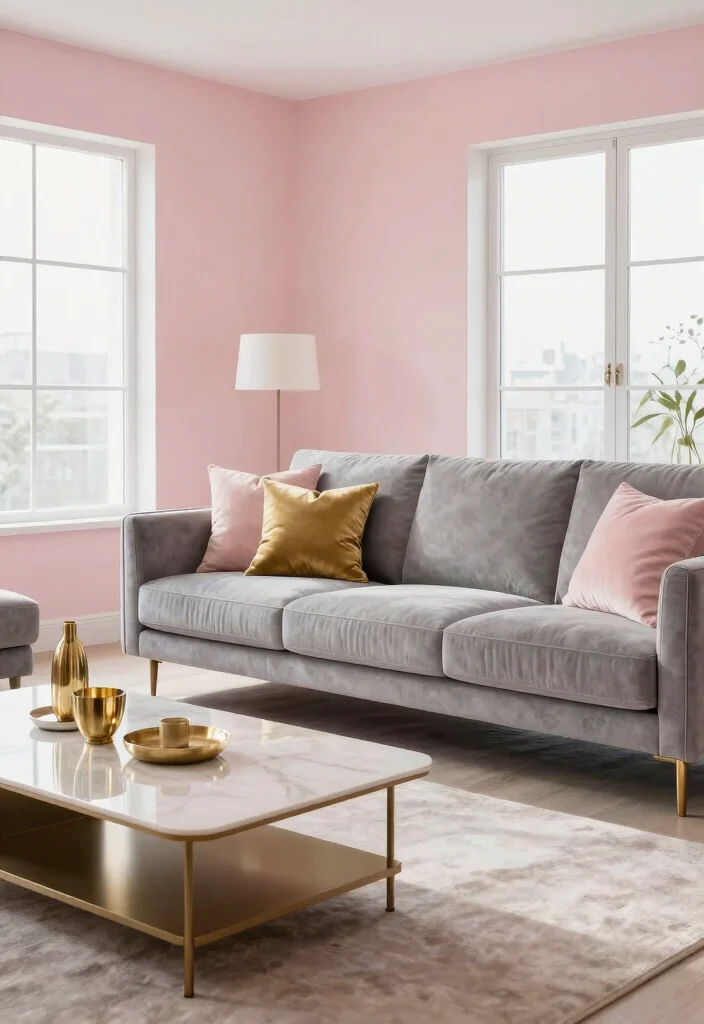
Soft blush pink offers a trendy yet timeless choice that adds a romantic touch to your living room. This delicate hue creates a calming environment, perfectly pairing with soft greys and earthy tones. Imagine a blush pink wall adorned with elegant decor, creating a chic and welcoming space.
To effectively use blush pink, consider pairing it with deeper colors like charcoal or navy to create striking contrasts. Opt for luxurious materials such as velvet cushions or textured throws to elevate the elegance of the hue. Accessorizing with gold accents will add a sophisticated shine to your decor.
To successfully use blush pink:
– Pair with darker hues for contrast
– Choose luxe materials for added elegance
– Accessorize with gold for sophistication
– Incorporate soft textures for a cozy feel
Blush pink can transform your space into a chic retreat, inviting warmth and style.
5. Classic White
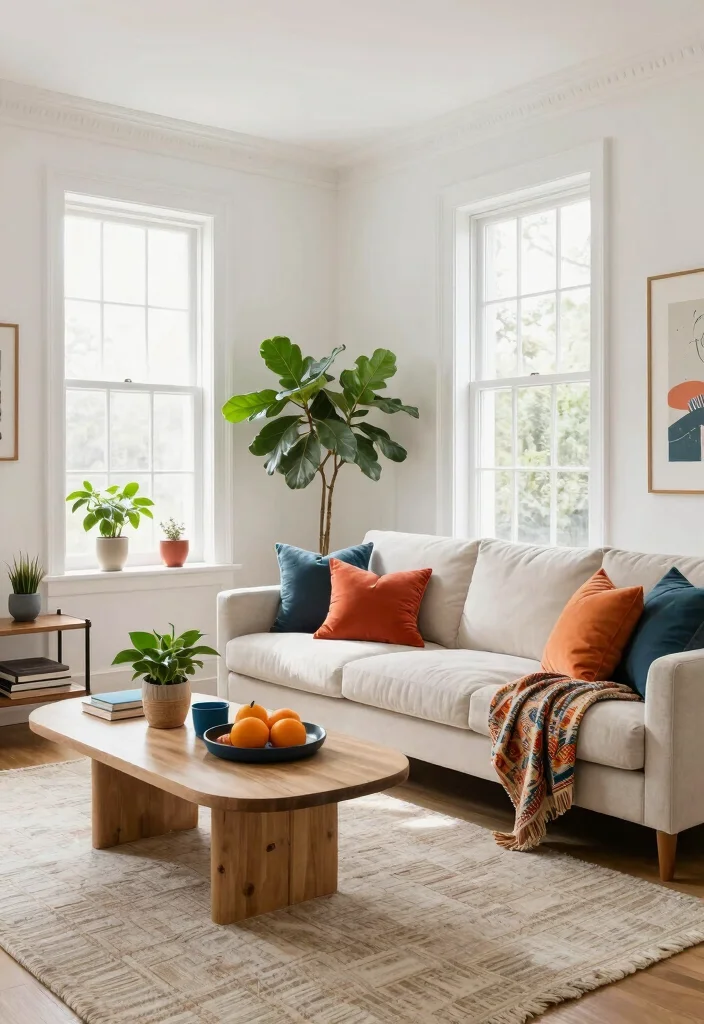
Classic white is a timeless choice that brings a sense of freshness to any living room. This clean color creates an open and spacious feel, making any room appear larger and more inviting. By pairing white with bold accessories, you can create stunning contrasts that add personality to your space.
When using white, focus on texture to prevent the space from feeling flat. Layer different materials through cushions, throws, and rugs for warmth and visual interest. Incorporate vibrant artwork or decor items to add lively pops of color against the white backdrop.
Key tips for using white:
– Layer textures with cushions and throws
– Add colorful decor for vibrancy
– Ensure good lighting to enhance freshness
– Use plants to bring life to the space
White walls offer a versatile backdrop for personal expression, allowing you to showcase your unique style.
6. Dusty Blue
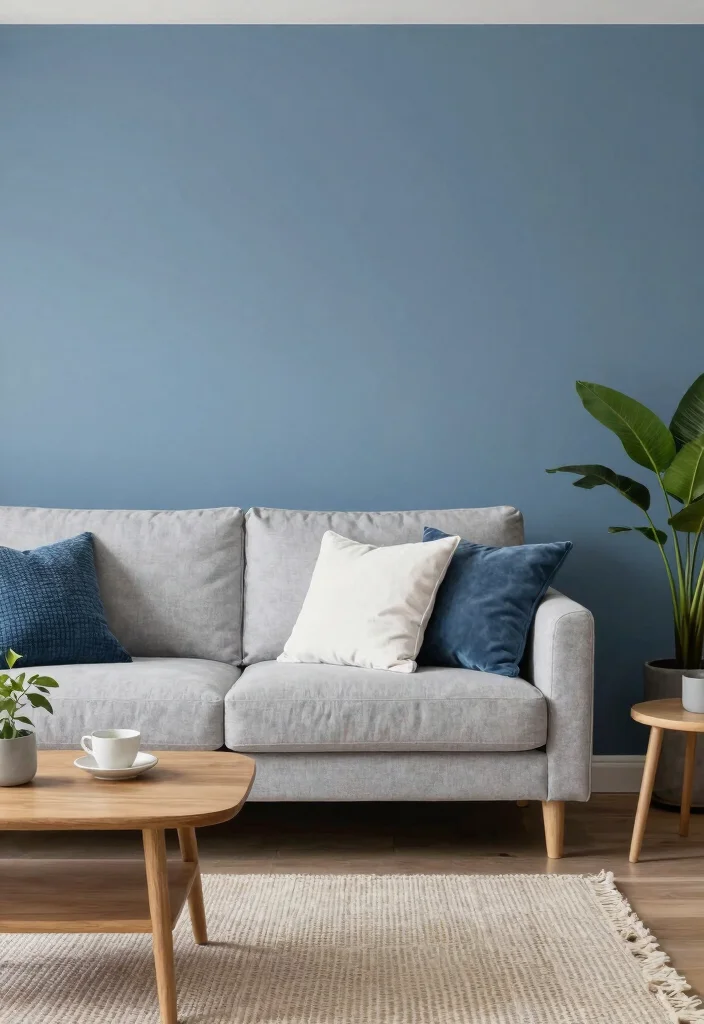
Dusty blue is a serene and elegant color that brings a sense of calm to your living room. This understated hue pairs beautifully with natural materials, creating a relaxing atmosphere. Imagine soft dusty blue walls framed by warm wooden accents, inviting tranquility into your space.
To achieve a stunning look with dusty blue, mix it with neutral colors like whites and greys for a harmonious palette. Incorporating natural elements, such as wooden furniture or rattan accents, will enhance the calm vibe. Soft textures like velvet or linen cushions add depth and comfort to the room.
To achieve a stunning look with dusty blue:
– Mix with neutral colors for balance
– Incorporate natural materials for warmth
– Choose soft textures for comfort
– Layer in greenery for a refreshing touch
Dusty blue works well in a variety of design styles, ensuring your space feels both inviting and stylish.
Dusty blue walls bring calm to your living room, pairing beautifully with natural wood for warmth. For a polished, sustainable look, mix whites and greys in your wall colour ideas for living room and add texture with rattan.
7. Charcoal Grey
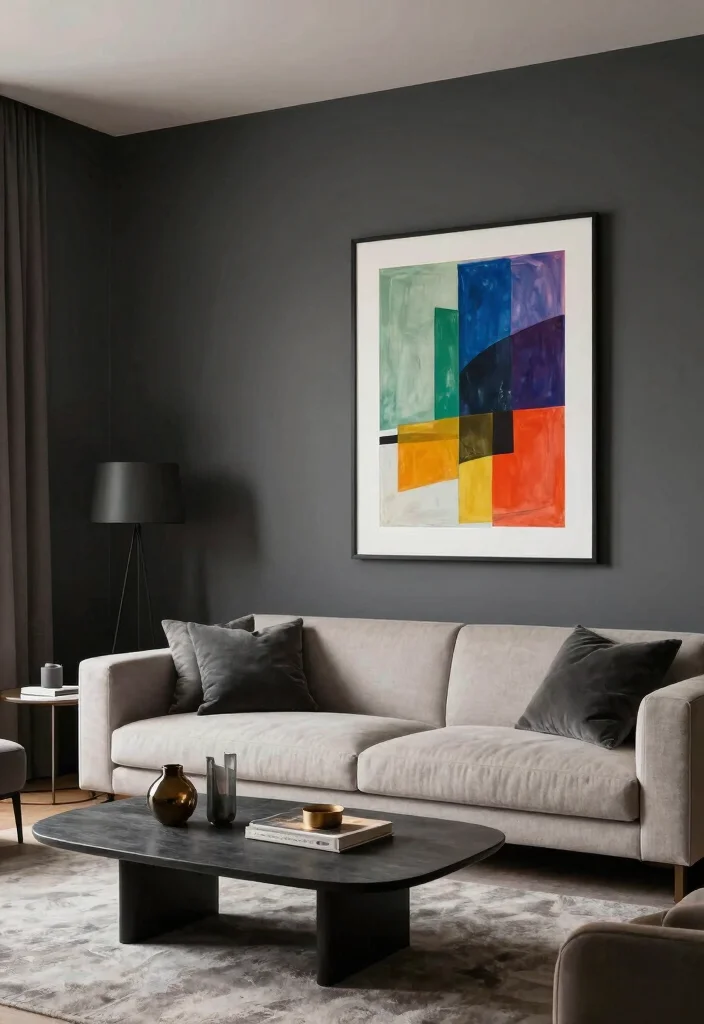
Charcoal grey is a bold, sophisticated color that adds depth and drama to your living room. This rich tone can serve as a stunning statement wall or be used throughout the room for a cohesive look. It pairs beautifully with bright colors and natural textures, making it a versatile choice.
To style with charcoal grey, use light accents like whites, creams, or metallics to brighten the space. Mixing textures is key; combining soft fabrics with sleek surfaces will create visual interest. Incorporating bright artwork against charcoal walls can serve as an eye-catching focal point.
How to style with charcoal grey:
– Use light accents for brightness
– Mix textures for visual interest
– Incorporate vibrant art for a focal point
– Layer in greenery for a fresh touch
Charcoal grey is perfect for creating a modern, luxurious feel in your home.
8. Muted Yellow
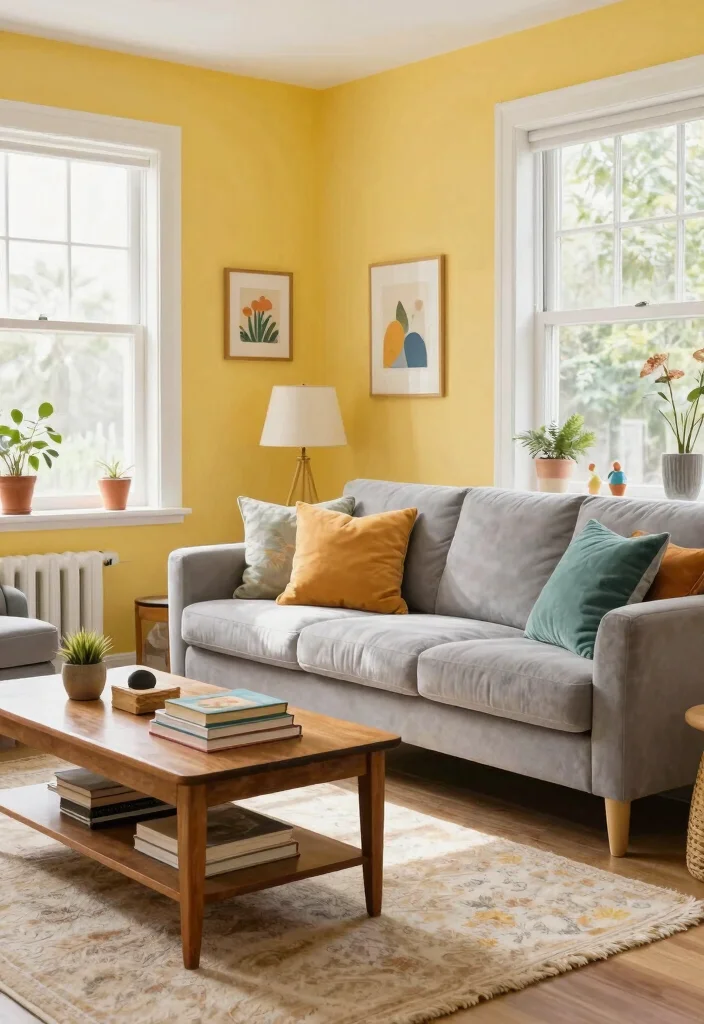
Muted yellow is a cheerful choice that brings a sunny disposition to your living room. This soft hue brightens the space without overwhelming the senses, creating a warm and inviting atmosphere. Picture muted yellow walls alongside earthy decor, bringing a sense of warmth to your home.
For a successful yellow palette, pair it with earthy tones like browns and greens to ground the brightness. Ensure your space is well-lit to allow this color to shine. Adding patterned textiles can introduce a playful touch, creating visual interest in your decor.
For a successful yellow palette:
– Pair with earthy tones for balance
– Use natural light to enhance brightness
– Add patterns for a playful touch
– Incorporate greenery for a natural vibe
Muted yellow adds warmth and positivity, making your living room a welcoming retreat.
9. Earthy Taupe
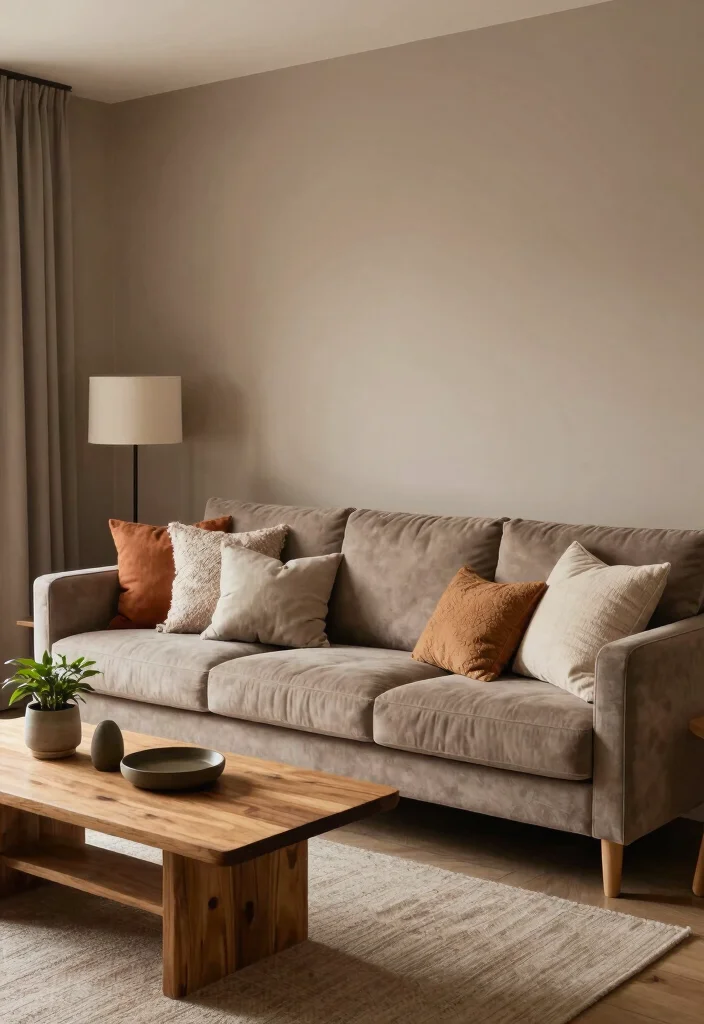
Earthy taupe connects your living room to nature, bringing warmth and comfort into the space. This neutral shade creates a soothing atmosphere, harmonizing beautifully with other earth tones. Imagine taupe walls adorned with wooden accents and greenery, creating a grounded and inviting environment.
To effectively use taupe, mix textures by combining soft fabrics, wood, and metal for a layered look. Incorporate greenery to thrive against taupe walls, enhancing the natural feel of the room. Layering with other neutrals, like whites or creams, can brighten the space and add depth.
Here’s how to use taupe effectively:
– Mix textures for a layered look
– Incorporate plants for a natural touch
– Layer with neutrals to brighten the space
– Use warm lighting for a cozy ambiance
Taupe is versatile, fitting seamlessly into various design styles, from rustic to contemporary.
10. Forest Green
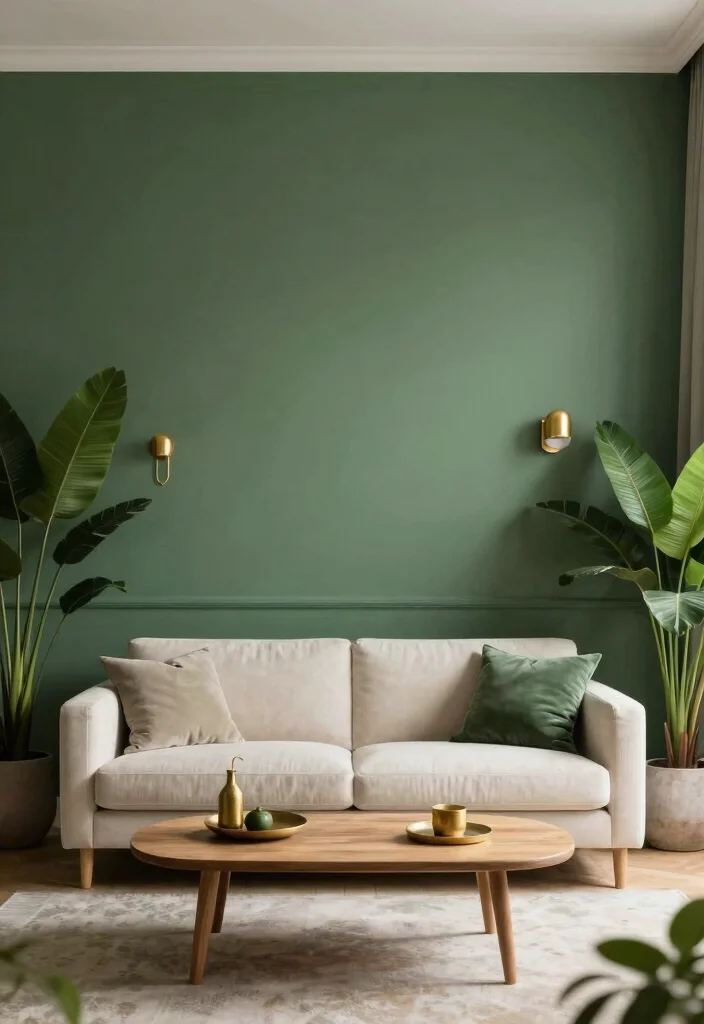
Forest green is a rich, grounding color that fosters a sense of calm and connection to nature. This deep hue transforms your living room into a tranquil retreat, evoking the beauty of the outdoors. Imagine forest green walls complemented by warm wooden furniture, creating a cozy and inviting atmosphere.
To style with forest green, accent with gold or brass to add elegance to the richness of the green. Incorporate natural materials like wooden furniture and organic textiles to maintain a grounded feel. Mixing with lighter colors, such as whites and soft creams, will balance the depth of the green beautifully.
To style with forest green:
– Accent with gold for elegance
– Use natural materials for warmth
– Mix with lighter colors for balance
– Layer in plants for a fresh touch
Forest green complements a variety of styles, making it a versatile choice for any home.
11. Ocean Blue
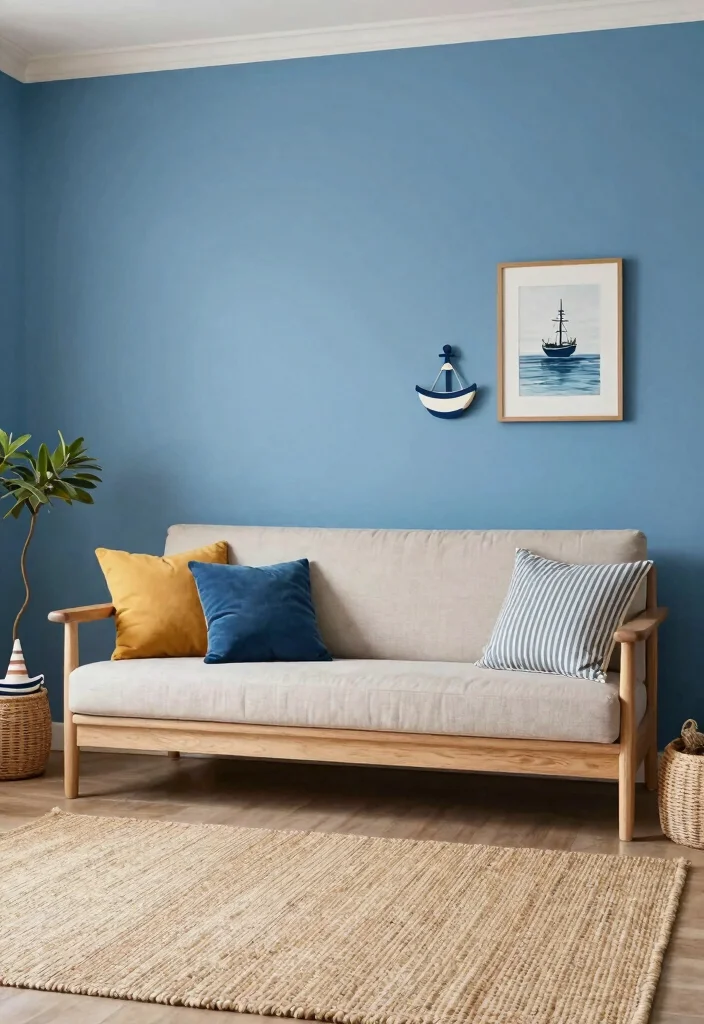
Ocean blue evokes serenity reminiscent of the sea, making it an ideal choice for a relaxing living room. This cool hue pairs well with whites and sandy beiges, enhancing the calming vibe. Picture ocean blue walls set against light beige furnishings, creating a breezy, coastal-inspired space.
For styling tips, combine ocean blue with natural textures such as wicker and wood to enhance the beachy feel. Incorporate nautical decor elements like seashells or driftwood accents for added charm. Bright pops of color, like coral or sunny yellow, can energize the space and create a lively atmosphere.
For styling tips:
– Combine with natural textures for a beachy vibe
– Use nautical decor for thematic charm
– Add bright accessories for energy
– Layer in greenery for freshness
Ocean blue fosters a peaceful environment, making it a favorite choice for coastal-inspired homes.
12. Warm Beige
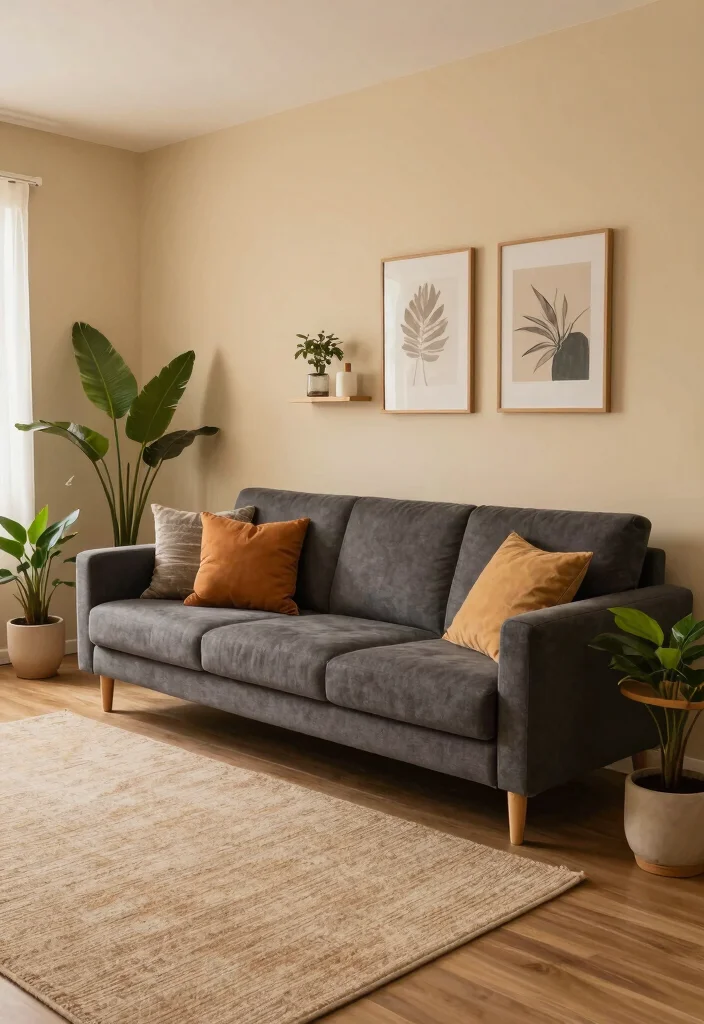
Warm beige creates a cozy, inviting atmosphere that serves as a perfect backdrop for any decor. This neutral shade promotes comfort and can be styled in countless ways to suit your taste. Imagine warm beige walls paired with dark wood accents, creating a rich and welcoming environment.
To effectively incorporate warm beige, layer it with darker shades to create depth and interest. Mixing in bold colors through decor items can help them stand out against beige walls. Textures are also important; adding soft textiles like cushions and throws will enhance the warmth of the space.
To effectively incorporate warm beige:
– Layer with darker shades for depth
– Mix with bold colors for a lively contrast
– Use texture for warmth and comfort
– Incorporate greenery for added life
Warm beige works beautifully with both contemporary and traditional decor styles, making it a versatile choice.
Fun fact: warm beige can boost room coziness by up to 20% when layered with darker wood accents. It pairs beautifully with bold decor, making wall colour ideas for living room easy to style—layer darker woods and textures with low-VOC paints for depth.
13. Rich Burgundy
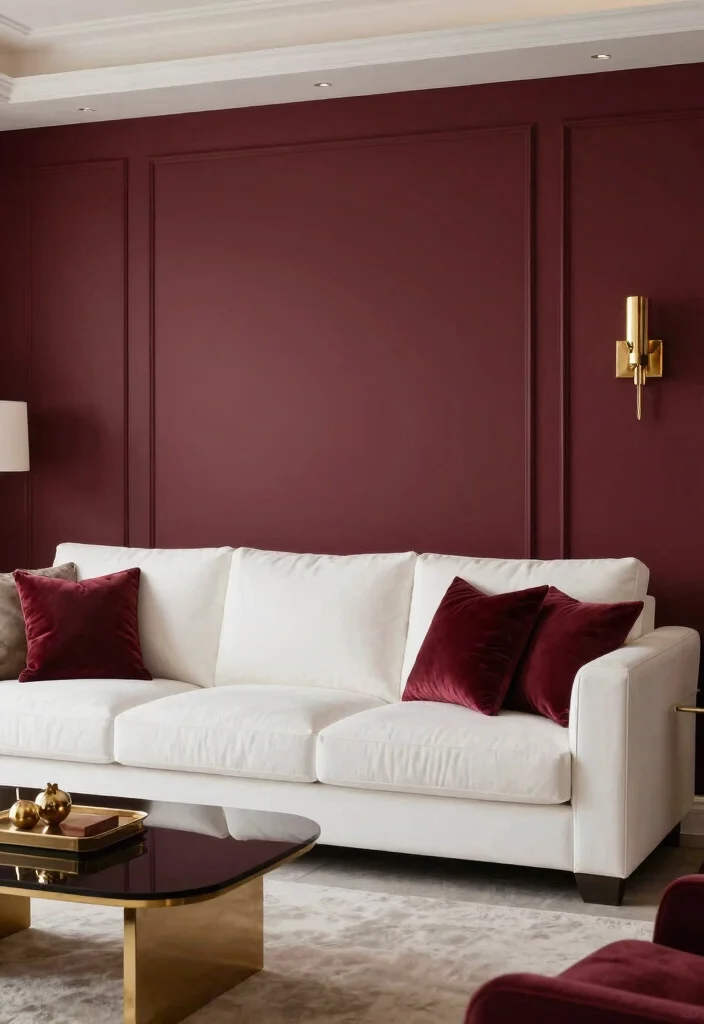
Rich burgundy introduces a touch of luxury and sophistication to your living room. This bold color creates an intimate atmosphere, perfect for cozy gatherings and stylish entertaining. Imagine rich burgundy walls adorned with gold accents, setting a warm and inviting tone.
To style with burgundy, pair it with gold accents to elevate the elegance of the color. Soft fabrics like velvet or silk cushions can enhance the luxurious feel, making the space feel more inviting. Incorporating lighter colors like whites and creams can help balance out the richness of burgundy, creating a harmonious look.
How to style with burgundy:
– Pair with gold for added elegance
– Use soft fabrics for comfort
– Incorporate lighter colors for balance
– Layer in greenery for freshness
Burgundy works beautifully in both traditional and modern spaces, adding depth and character to your home.
14. Mint Green
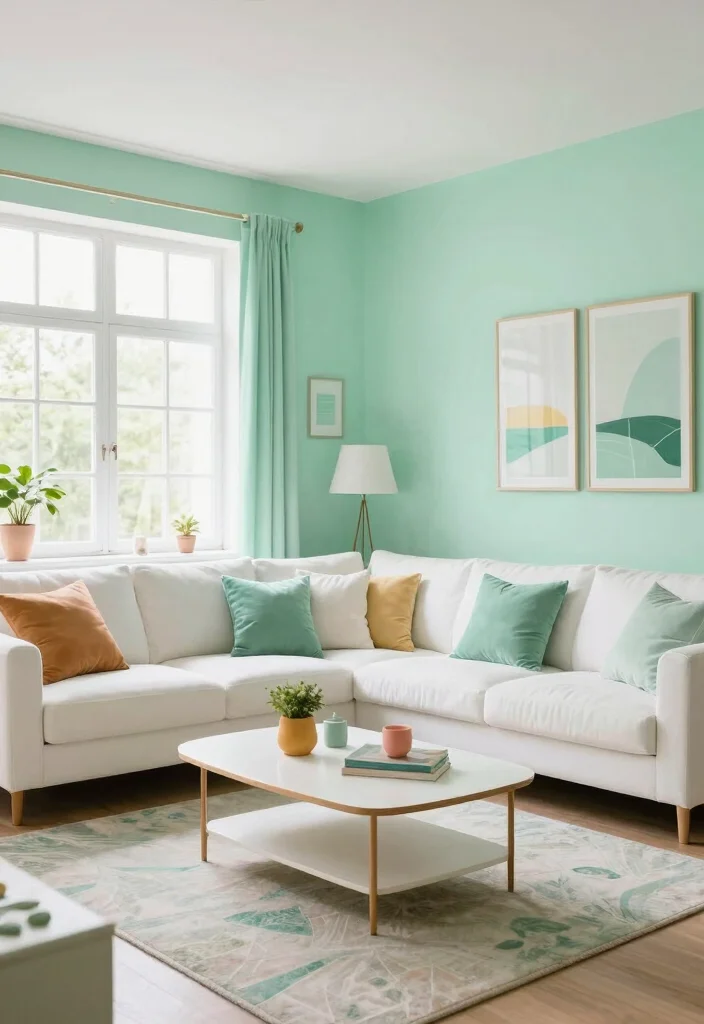
Mint green is a refreshing choice that awakens the senses, creating an uplifting atmosphere in your living room. This playful hue pairs wonderfully with both light and dark colors, making it a versatile option. Picture mint green walls set against white and wooden accents, creating a cheerful and inviting environment.
To achieve a beautiful mint green palette, combine it with bright whites to enhance the freshness of the color. Adding natural elements, like wooden accessories, can provide warmth and balance. Including playful patterns in textiles will add dimension and interest to your decor.
To achieve a beautiful mint green palette:
– Combine with bright whites for freshness
– Add natural elements for warmth
– Include playful patterns for dimension
– Layer in greenery for a vibrant touch
Mint green fosters a bright and cheerful environment, making it a great choice for family spaces.
15. Soft Lavender
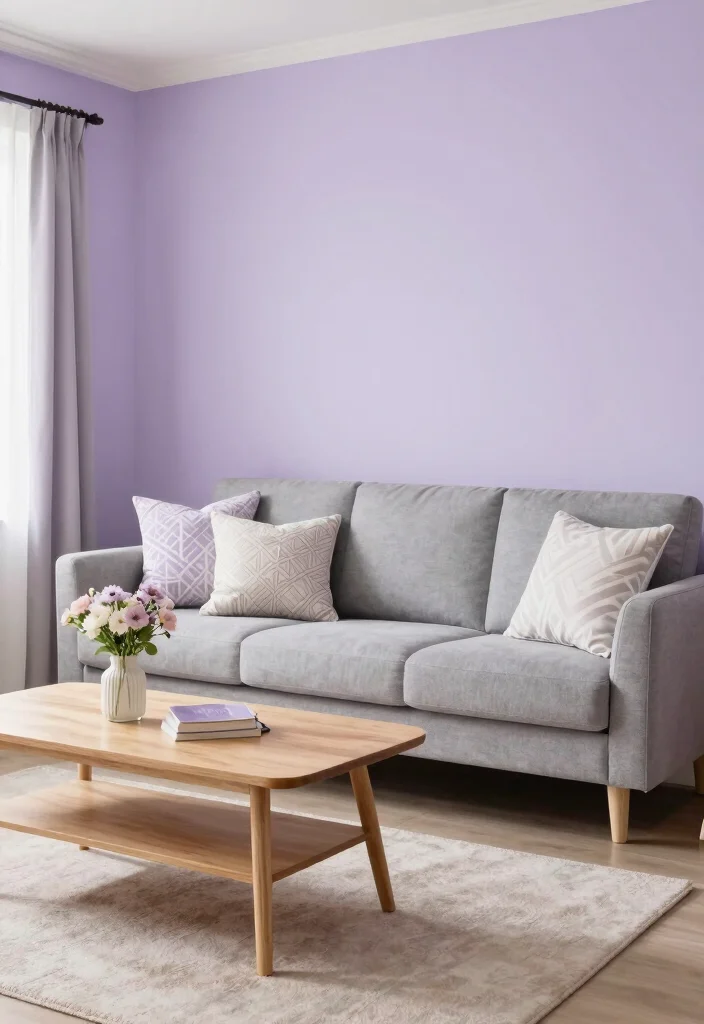
Soft lavender brings a gentle touch of color and a sense of calm to your living room. This pastel hue is perfect for creating a soothing environment that welcomes relaxation. Imagine soft lavender walls paired with white and grey accents, creating a fresh and airy atmosphere.
For styling lavender, mix it with white and grey to maintain a light and airy feel. Incorporating subtle patterns, such as floral or geometric prints, can add character and charm to the room. Using soft textures like velvet or silk will enhance the luxurious feel of lavender, making your space feel more inviting.
For styling lavender:
– Mix with white and grey for freshness
– Incorporate subtle patterns for character
– Use soft textures for a luxurious feel
– Layer in greenery for added life
Lavender blends beautifully with various styles, ensuring your space feels welcoming and serene.
16. Soft Coral
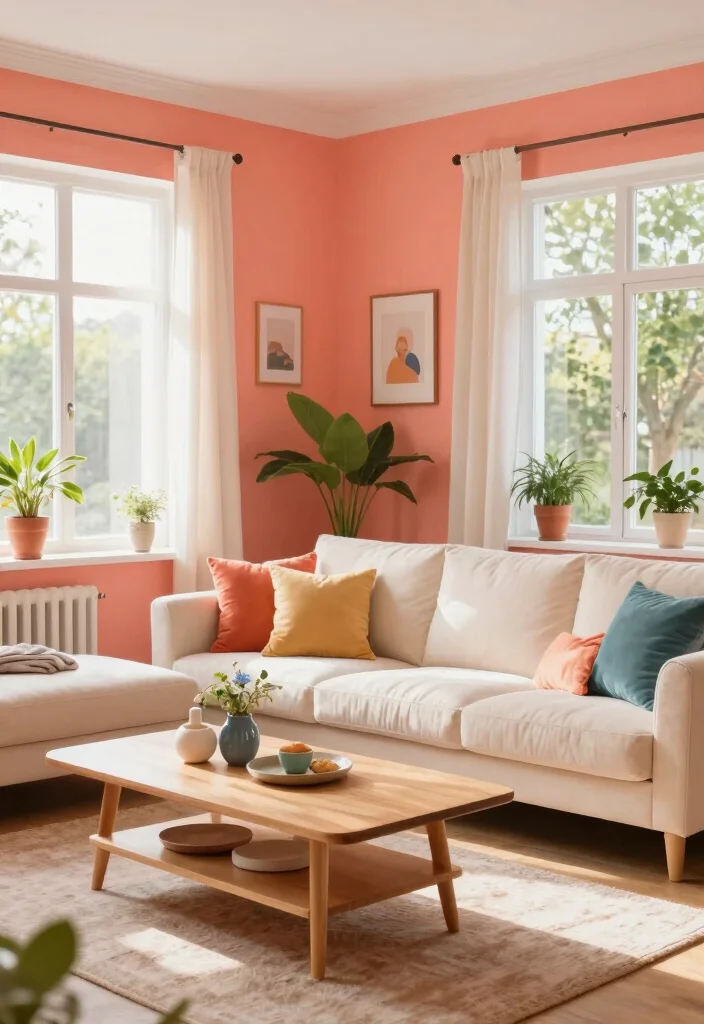
Soft coral is a playful yet sophisticated shade that adds warmth and vibrancy to your living room. This inviting hue pairs beautifully with both neutral and bold colors, making it a versatile choice. Imagine soft coral walls paired with white furniture and earthy decor, creating a lively and cheerful environment.
To incorporate coral effectively, balance it with neutral tones like whites and creams to soften its vibrancy. Incorporating earthy textures, such as wood or rattan, will create a grounded feel. Accessorizing with bold colors can add excitement and energy to the space, making it feel fresh and inviting.
To incorporate coral effectively:
– Balance with neutral tones for softness
– Incorporate earthy textures for warmth
– Accessorize with bright colors for excitement
– Layer in greenery for a lively touch
Soft coral creates a lively and inviting space, making your living room feel fresh and cheerful.
17. Slate Gray
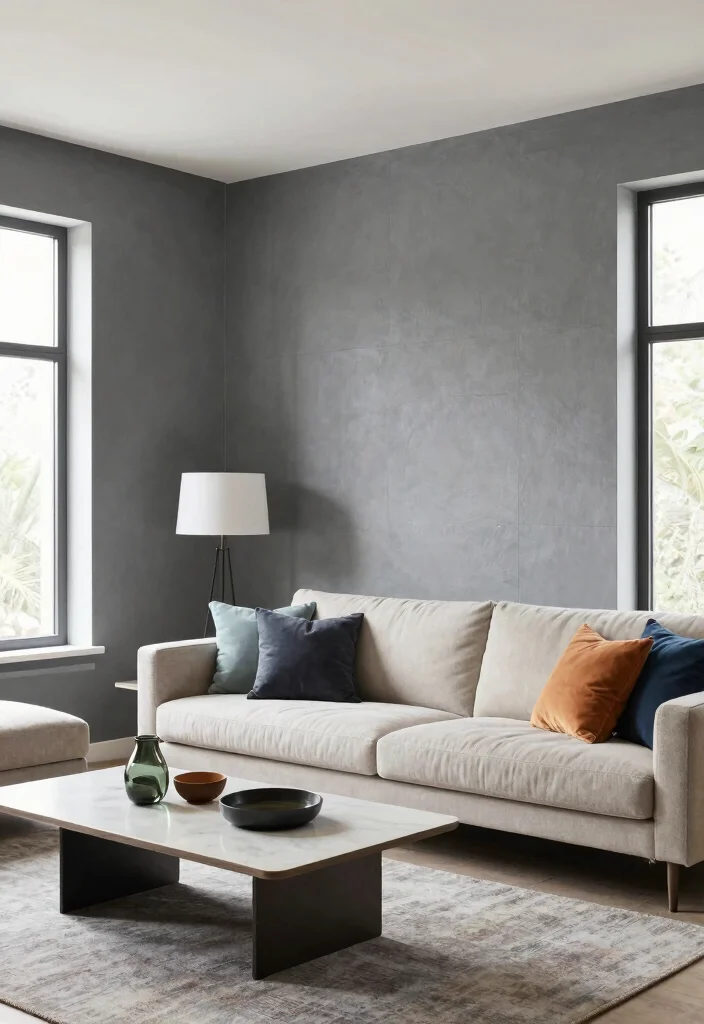
Slate gray is a modern, stylish color that adds sophistication without feeling heavy. This muted hue is perfect for creating a contemporary look and works well with various decor styles. Picture slate gray walls framed by bright accents and natural elements, creating a chic and inviting space.
To use slate gray effectively, accent it with bright colors like reds or yellows to create a vibrant contrast. Mixing varied textures, such as different fabrics and materials, will add depth and visual interest to the room. Layering in natural elements like wood and plants can help balance the cool gray tones, creating a warm and inviting environment.
To use slate gray effectively:
– Accent with bright colors for vibrancy
– Use varied textures for depth
– Layer in natural elements for warmth
– Incorporate greenery for a fresh touch
Slate gray provides a modern edge to your living space while still feeling warm and inviting.
18. Bright Teal
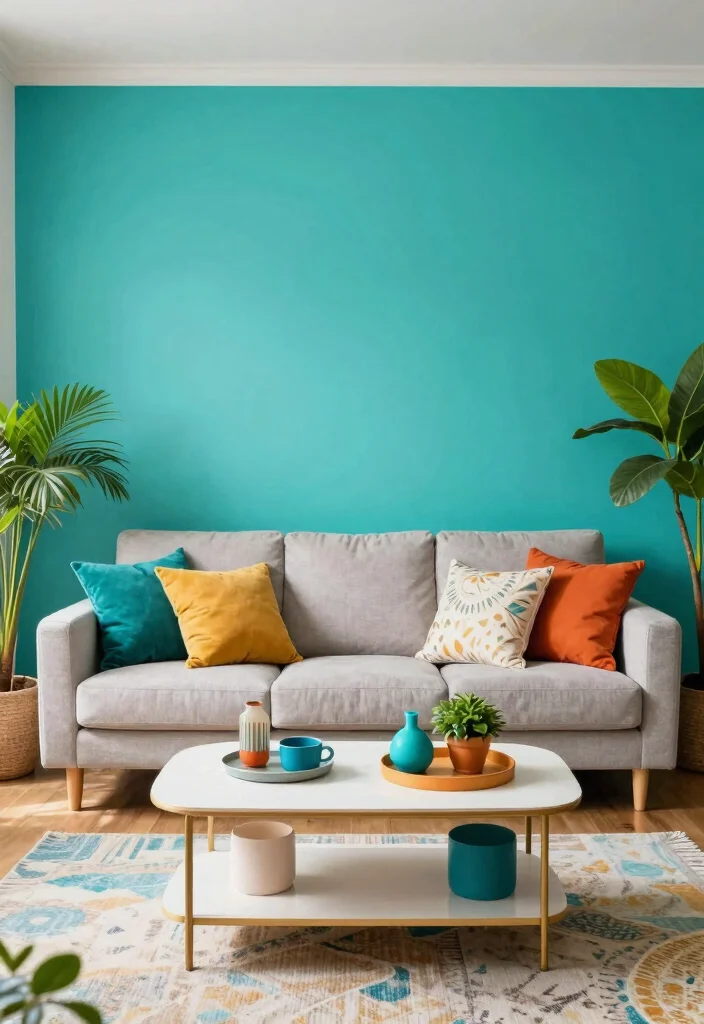
Bright teal is a vibrant, fun color that injects energy into your living room. This bold choice can serve as a statement wall or be incorporated into accents for a playful touch. Imagine bright teal walls paired with neutral furniture, creating a lively and inviting atmosphere.
To style with bright teal, pair it with neutral furniture to keep the focus on the color. Incorporating bright accessories, such as vivid artwork or lively plants, will complement the teal beautifully. Mixing in natural textures, like wood, can enhance warmth and balance the vibrant hue.
How to style with bright teal:
– Pair with neutral furniture for focus
– Incorporate bright accessories for vibrancy
– Mix with natural textures for warmth
– Layer in greenery for added life
Bright teal is perfect for the adventurous decorator looking to make a bold statement in their living space.
Conclusion
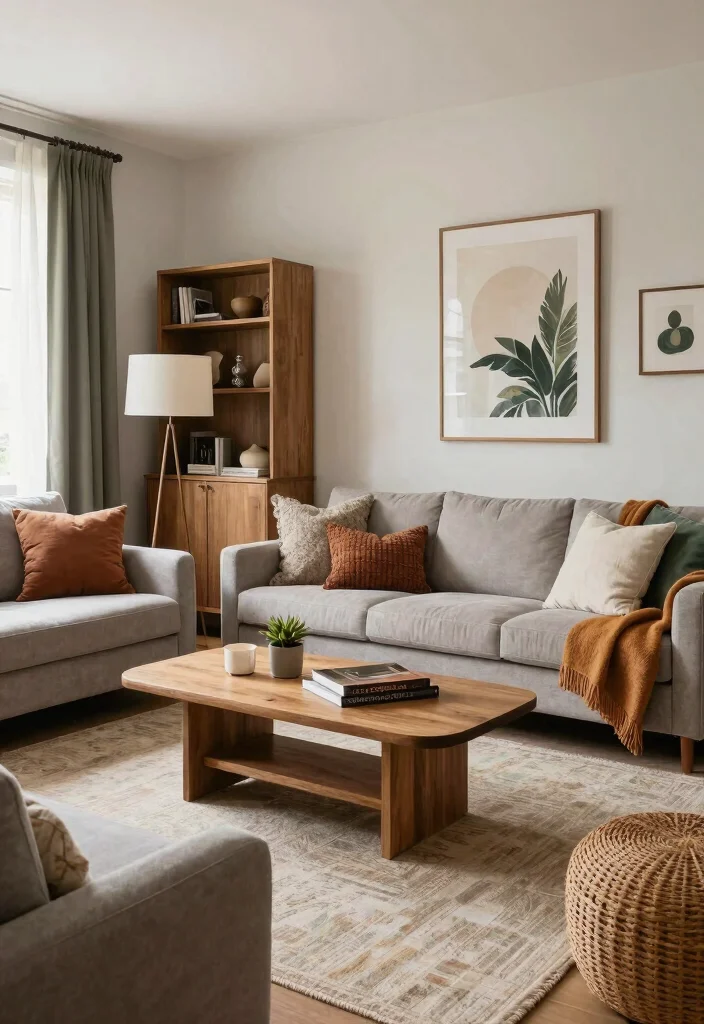
Choosing the right wall color can significantly transform your living room into a stylish sanctuary.
From calming earthy tones to bold and vibrant hues, each color offers a unique vibe and appeal.
Consider how these sustainable options fit your style and vision. Your living room can reflect your personality beautifully while promoting a healthier home environment.
Frequently Asked Questions
What are the best wall colour ideas for living room that are sustainable and stylish?
For sustainable living room styling, choose low-VOC or zero-VOC paints from trusted brands, ideally with recycled packaging. Natural pigments and water-based formulas reduce indoor toxins while staying durable. Start with a calm base using a neutral wall colour ideas for living room that works with your furniture—think soft beiges, warm greys, or muted greens that align with contemporary interior design. Add personality with a few stylish wall colors on an accent wall or paneling, and pair them with decor ideas for living room featuring sustainable materials like bamboo, cork, and organic textiles. Remember to test swatches in natural light to see how the palette shifts throughout the day and how it fits your living room colour schemes.
How can I choose a modern wall paint ideas for a small living room to avoid a cramped feel?
Light, airy tones are your friend. Choose modern wall paint ideas in pale neutrals or cool whites with warm undertones, which visually expand a small space. Use a satin or eggshell finish on key walls to reflect more light. Create depth with a subtle wall colour ideas for living room contrast—perhaps a soft taupe or pale sage as an accent behind the seating. Pair with living room colour schemes that include mirrors or glass surfaces to bounce light. Finish with decor ideas for living room sourced from sustainable materials to keep the room feeling bright and inviting while sticking to contemporary interior design.
Which colours are trending in contemporary interior design for living rooms that are eco-friendly?
Trending palettes lean earthy and muted: warm stone, soft taupe, sage green, and blue-greys. These wall colour ideas for living room feel timeless and adaptable for contemporary interior design. Choose paints with low-VOC or zero-VOC formulas to keep indoor air clean. Build living room colour schemes from a versatile base and layer with sustainable textures like linen, cork, and reclaimed wood. A restrained palette is easier to maintain and complements decor ideas for living room that emphasize sustainability.
What finishes or maintenance tips help wall colours stay fresh longer while being eco-friendly?
Opt for washable, durable finishes like satin or matte enamel that resist stains but are easy to clean with mild soap. Look for eco-friendly finishes with low-VOC content and good scrubbability. Regular dusting and gentle cleaning extend colour life, and using touch-up kits helps you refresh without repainting whole walls. Choose stylish wall colors that tolerate minor fading and pair them with living room colour schemes that won’t demand frequent changes. Finally, store leftover paint in a labeled container for future decor ideas for living room projects.
How can I test wall colours for sustainability before painting the whole living room?
Start with several small sample patches on different walls, painted with your shortlisted colours. Observe under natural daylight and at different times of day to see how the hue reads in your room. Check the product labels for low-VOC or zero-VOC certification and recycled content. Choose paints from brands that publish contemporary interior design guidelines for sustainability. If possible, reuse leftover paint for future decor ideas for living room, or donate unopened cans to community programs. This keeps you aligned with living room colour schemes that respect the environment.
Related Topics
home decor
living room color schemes
modern wall paint
sustainable design
stylish wall colors
decor ideas
contemporary interiors
easy updates
fresh palettes
trending colors
beginner friendly
minimalist style